
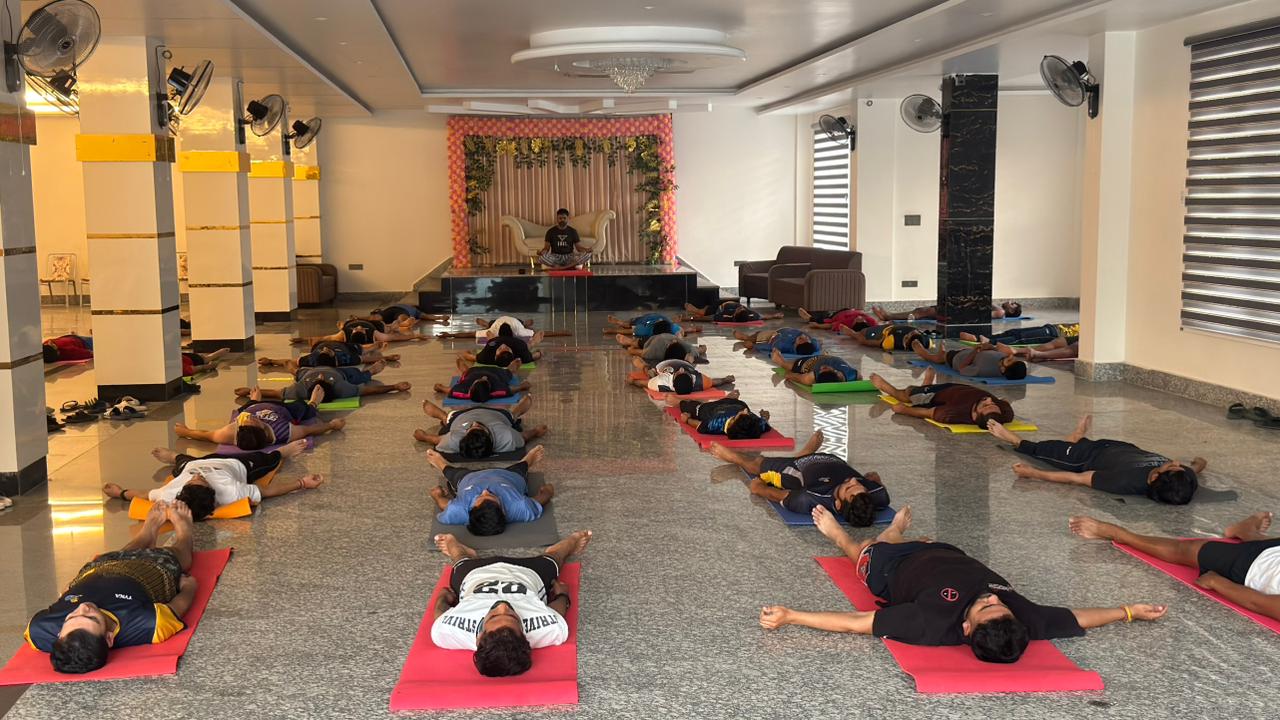
This 15-day cricket-specific intervention shows clear, practical results with 40 athletes. It’s a strong example of applied sports science tailored to the game rather than generic fitness metrics.
I have done this a few times in the past. However, this time I wanted to conduct some interesting testing. Testing that is meaningful and directly related to the game the athletes play. I mulled over the idea for a day and came up with two tests. Given the time constraints, I could only conduct a few tests that were easy to administer and not too time consuming.
a) Speed and Endurance test
If you are well read and understand the subject deeply enough, it is difficult to think of a test that can assess both speed and endurance in cricketers.
Current test followed in cricket: YOYO Test
However, I have never been a fan of the YOYO test in cricket. As a matter of fact, I once discussed this with a football high performance specialist who is currently working with one of the FIFA World Cup teams. He agreed with me that the YOYO test is not ideal for cricket. After all, it was originally introduced for footballers. And importantly it has not saved cricketers from breaking through a season and neither it has produced any pace bowlers.
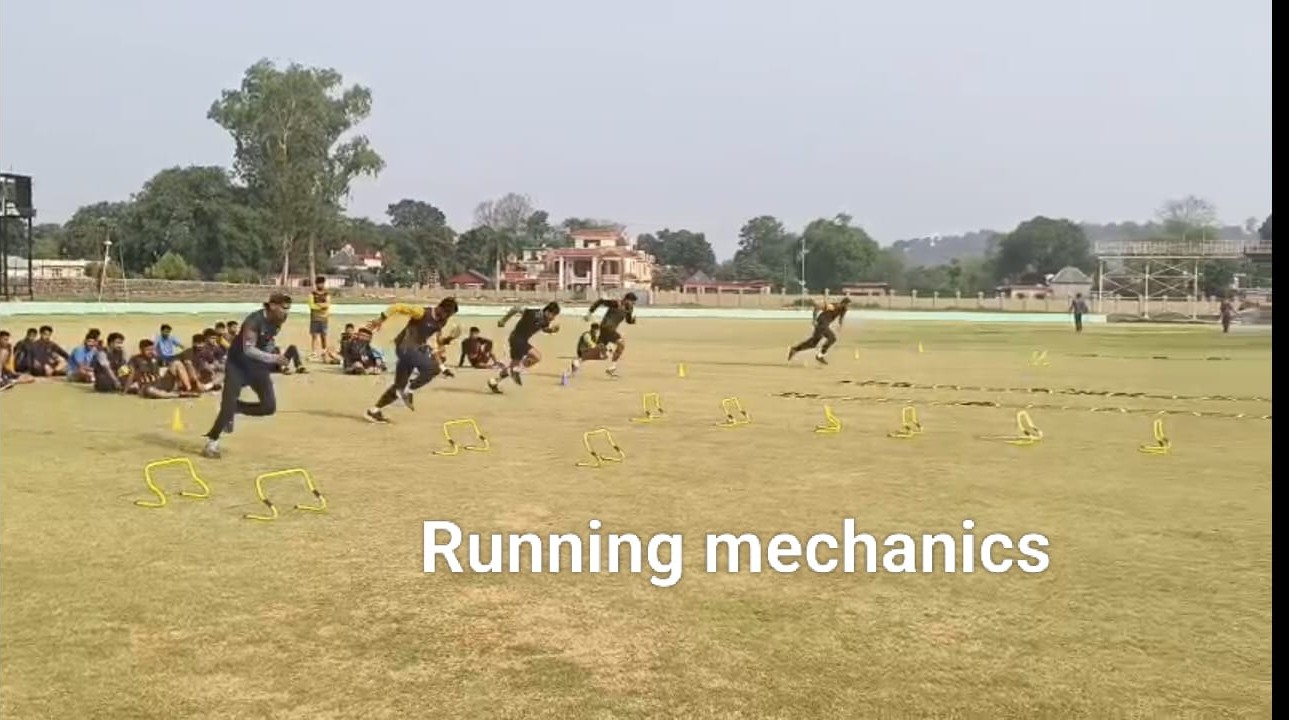
A cricketer’s requirement:
For speed: A player should be able to cover the distance quickly. This requires rapid changes of direction, the ability to take off from awkward anatomical positions, and efficient take off mechanics. If we work on all these aspects then gaining overall speed is an obvious outcome as shown in the results from this camp.
For endurance: A fast bowler or cricketer should be able to maintain a constant speed over a meaningful distance without breathing heavily. It does not need to be as long as the YOYO test because cricket does not demand that level of continuous running as football during a match.
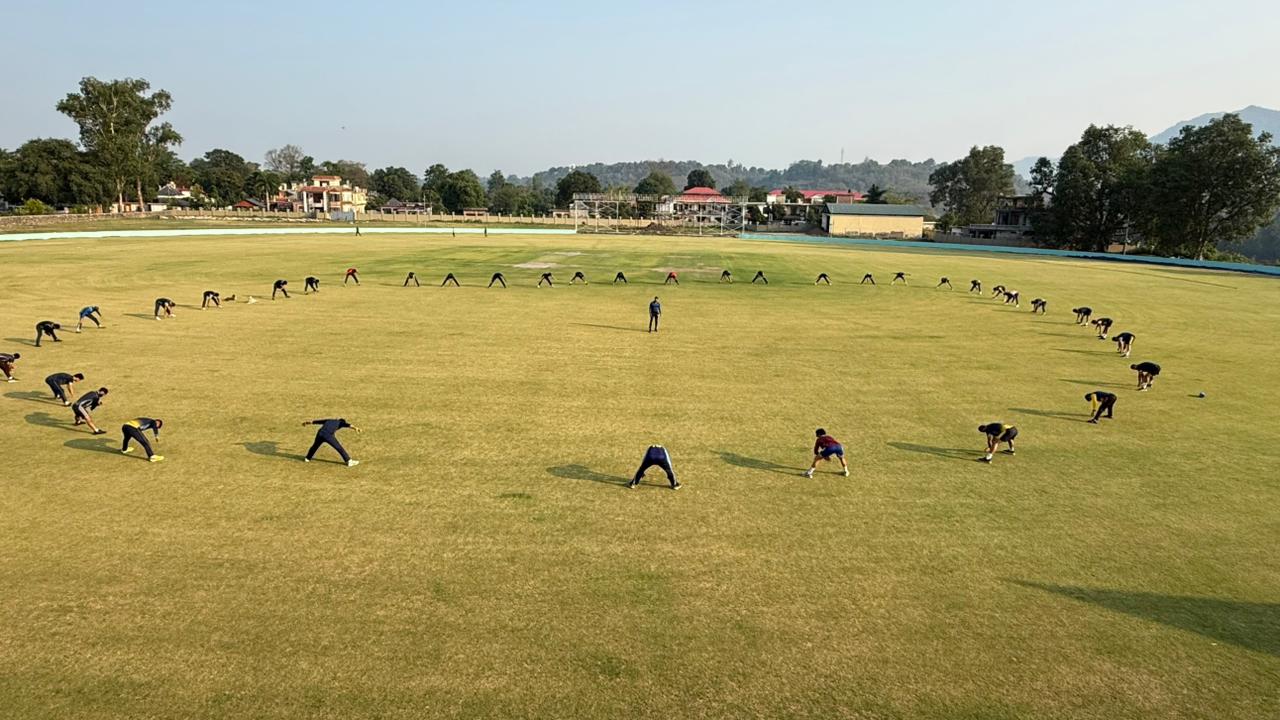
Considering these factors, I decided on the following test that assessed both speed and endurance: two rounds of the cricket ground at a constant speed.
The total distance measured 860 meters, which is substantially longer than 100 meters and enough to challenge anyone when run at a fast pace. The idea was to show players their improvement and educate them on the basics. So I am not recommending these tests to be the best in anyway. It was what I thought would serve the purpose.
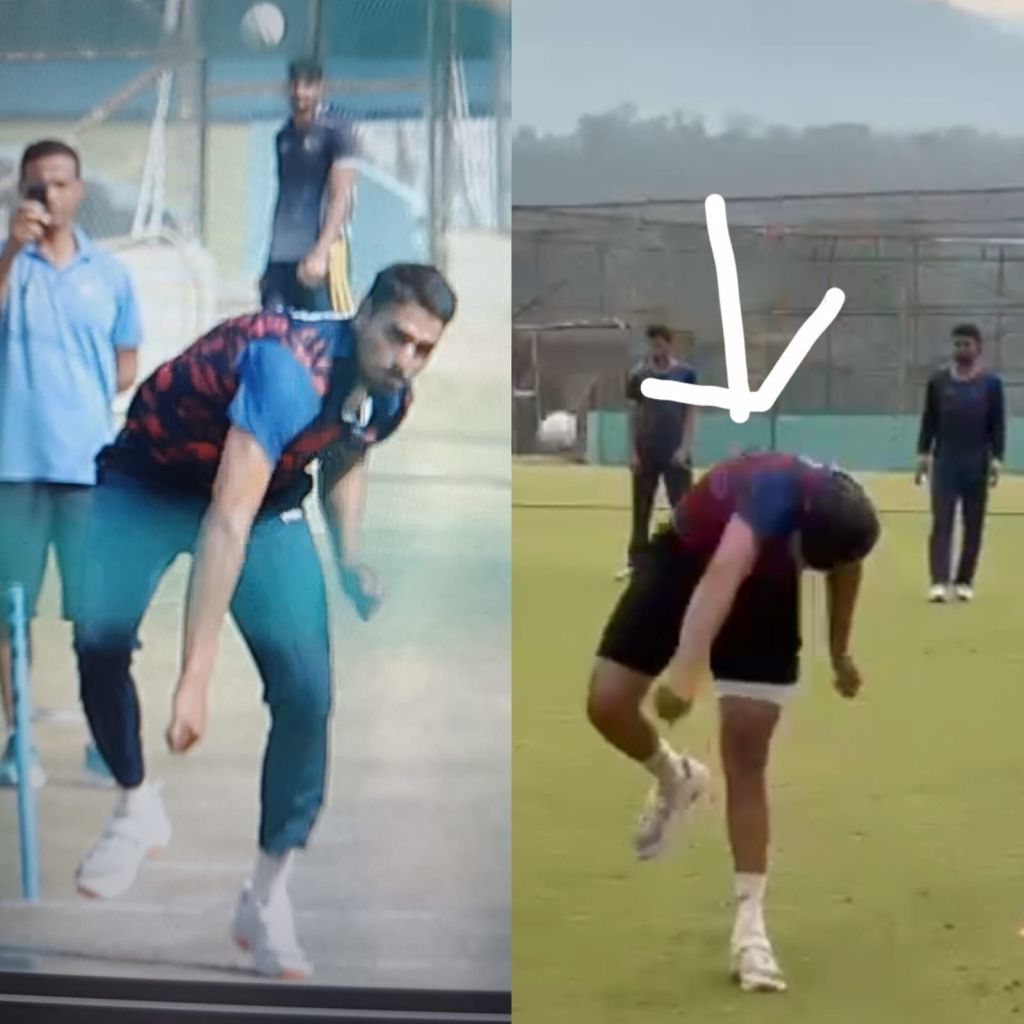
b) Bowling Pace
The second test was bowling pace.
Although I am not a big fan of measuring pace, I believe what matters most is what the ball does after pitching, not the speed at which it leaves the bowler’s hand. History supports this view. Bowlers who consistently pitched the ball in the right areas not only enjoyed long careers but were also highly successful.
Nevertheless, since modern cricketers are fascinated by bowling speed, I thought it would be worthwhile to measure it and show them how relatively unimportant raw speed is compared to feeling light, good, and comfortable while bowling. And lets not forget speed is an outcome of balanced and well trained (for the job) structure and all fast bowlers who have worked under me have always gained pace without an iota of doubt. Many of these bowlers played IPL and also touched national level.
I never stressed to measure speed because I can tell that from experience and most times I am reconfirmed this both by the wicketkeeper and bowler himself. Anyhow…I thought lets measure the speed this time and reconfirm my hypothesis. So we used the speed measuring equipment.
However consistent speed is an outcome of good bowling rhythm, sound biomechanics, and a body that feels free and light. And all these attributes have always been more important for me.
c) Accuracy Test
This was the most interesting test and the results came out exactly as I had predicted.
I called it the Accuracy Test.
Bowlers were thoroughly warmed up and allowed to bowl as many deliveries as they needed to feel fully prepared. Once ready, each bowler was given eight balls. It was essentially their first over in a match.
Each bowler was asked to bowl the first four deliveries at a good length area. After that, they were free to choose any target area they wished. A coach standing nearby recorded whether each delivery landed in the intended zone.
All three tests were conducted transparently and were recorded by other coaches assisting me at the camp.
Results
1) Speed and Endurance Test
Every player reduced their time by a minimum of 10 seconds and up to 22 seconds.
In sports science literature, reducing time by that margin over an 860 meter sprint effort in just 15 days is significant.
The most interesting observation was that players improved by roughly the same amount during the first lap and then maintained that pace during the second lap, completing the full 860 meters without dropping off.
2) Fast Bowling Pace
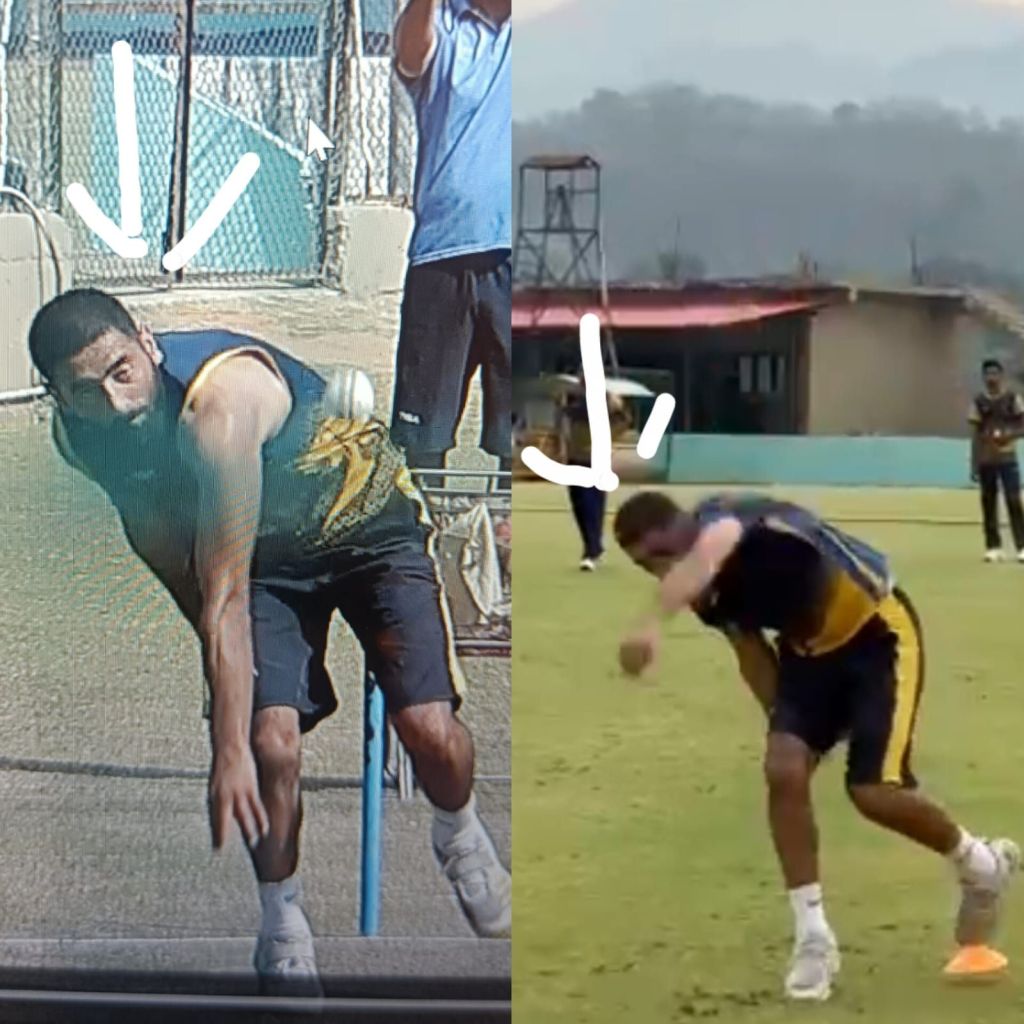
Ten bowlers increased their speed by between 2 and 8 km/h.
Personally, the increase in peak speed was not as exciting as the improvement in consistency.
If a bowler could produce one ball at maximum pace on Day 1, he could produce three or four deliveries at that same pace on Day 15.
This suggests they not only increased their speed but also became comfortable operating at their best pace.
To me, this was a win across all 20 bowlers, including those whose peak speed remained unchanged.
Feedback from all bowlers:
“We felt easy, light, and very comfortable bowling on Day 15 compared to Day 1 of the camp.”
When a bowler wants to keep bowling, even in scorching heat, it is usually a sign that he is enjoying the activity and his body is coping well with the demands.
3) Accuracy Test
This was the best result of all.
The average accuracy score across the 20 bowlers was roughly 20 percent at the start. By Day 15, it had increased to between 50 and 100 percent.
Yes, 100 percent in the case of several bowlers.
What Did I Do to Achieve These Results in 15 Days?
1) Structural Mechanics
Our musculature moves and works together in every sporting action. However, years of repetitive loading through sport can gradually alter this harmony. Think of it as the difference between a new car with perfectly aligned wheels and an old car running on worn tyres.
2) Fascia Work
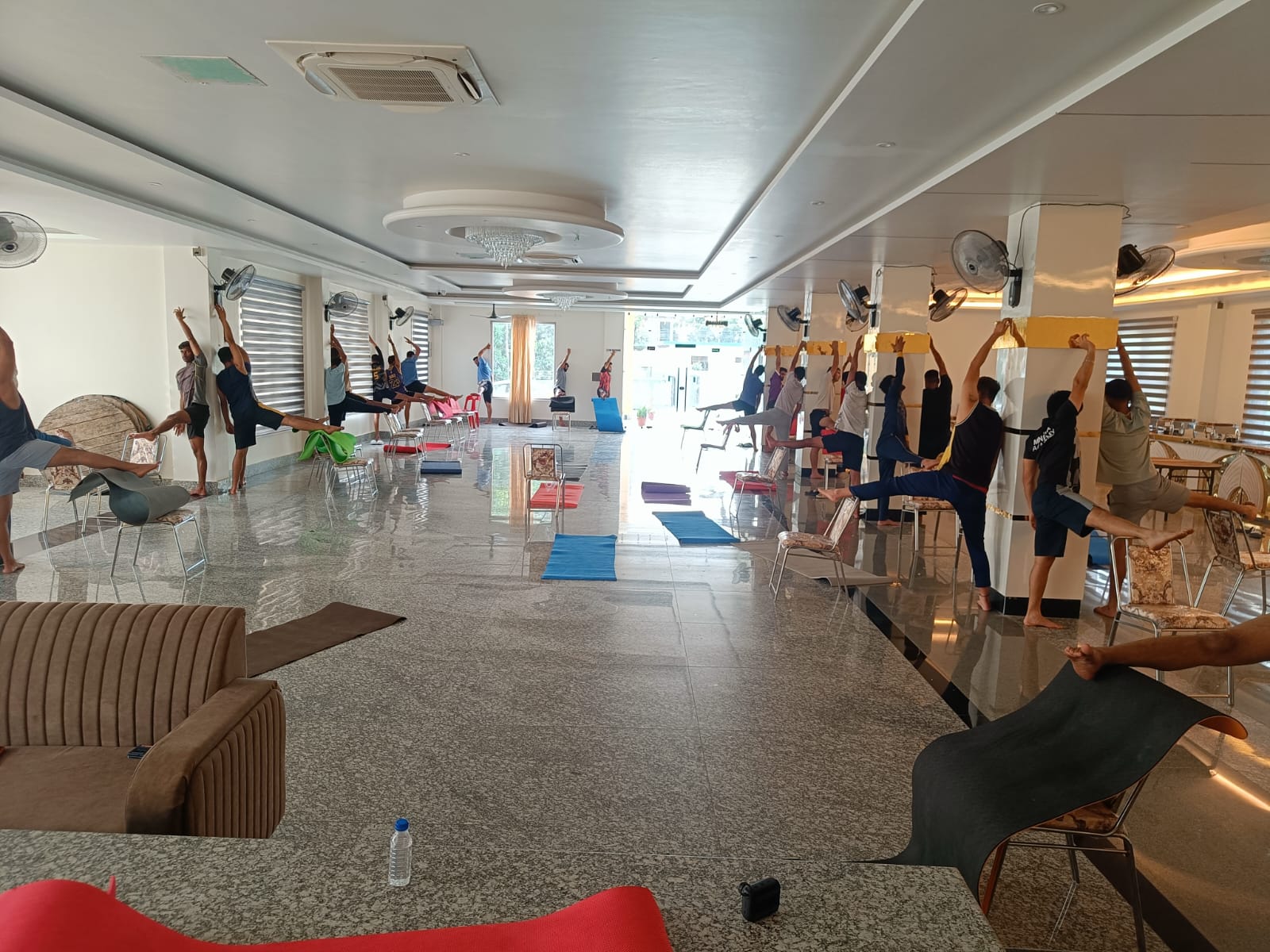
Structural mechanics can be restored when we work on the fascia. Think of fascia as the cement between bricks. No matter how expensive the paint is, if the bricks move independently of one another, the structure can never be truly strong. Connecting the musculature and synchronizing it through the joints is essential for any form of on field physical performance given unstatic and weird anatomical dispositions. And just for your information it is not so much required in the gym and therefore can’t be trained at the gym.
3) Biomechanics
We worked on the biomechanics of running, fielding, throwing, bowling, take off, and landing through a variety of drills.
4) Recovery and Relaxation
We focused on recovery and relaxation, not only of the body but also of the mind.
5) Cricket Specific Strength Training
Strength training was cricket specific and built around compound body movements that closely resemble what happens on the field.
Conclusion
Whether it is speed or fatigue, both are outcomes of the overall structure. We often mistake fatigue for a lack of strength. In my experience, it is rarely a lack of strength. It is usually a lack of structural capacity to handle the demands being placed upon the body.
This 15 day study involving 40 boys reconfirmed my understanding of the anatomical nuances required for the game of cricket.
Videos:
Strength training for cricketers:
Cricket specific field training:
PPT

