My Nutrition Insight
Nutrition is not a separate department of health. It is one of the inputs that feeds the entire human system.
For years the conversation around food has revolved around macros, calorie counts, optimal protein numbers, and the latest supplement. I have spent one and half decades working with athletes and ordinary people, running my own experiments, and reading the research. What has become clear is simpler and more demanding at the same time.
The same food can produce completely different results in two people. The difference is rarely the plate. It is the operating system receiving the food.
That operating system includes metabolism, recovery capacity, nervous system state, training history, sleep, stress load, and the quality of repair processes happening every day. When these are out of balance, even the most carefully designed diet struggles. When they are aligned, ordinary home cooked food becomes remarkably powerful.
Balance Theory and Food
I have proposed what I call balance theory.
Balance Theory. Healthspan depends on keeping three cellular economies in workable harmony: energy production, protein production, and repair capacity.
Push protein synthesis too hard without matching energy and repair capacity and the system eventually pays. The same applies to any single lever. More is not automatically better.

This is why I speak of Maintenance Compatible Muscle Mass. The question is not how much muscle can be forced. The question is how much muscle the whole system can sustainably support while eating normal food, recovering normally, and maintaining healthy markers.
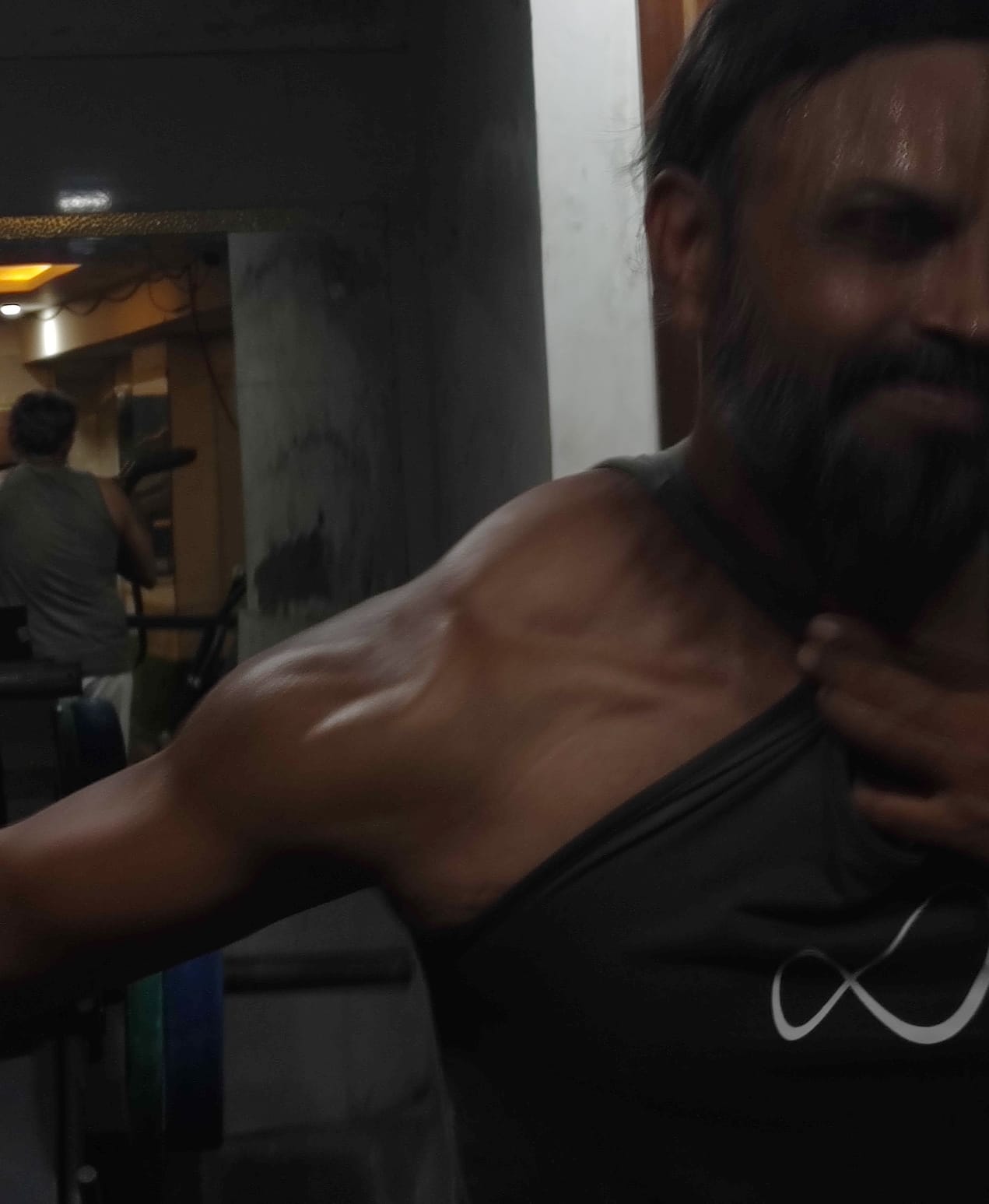
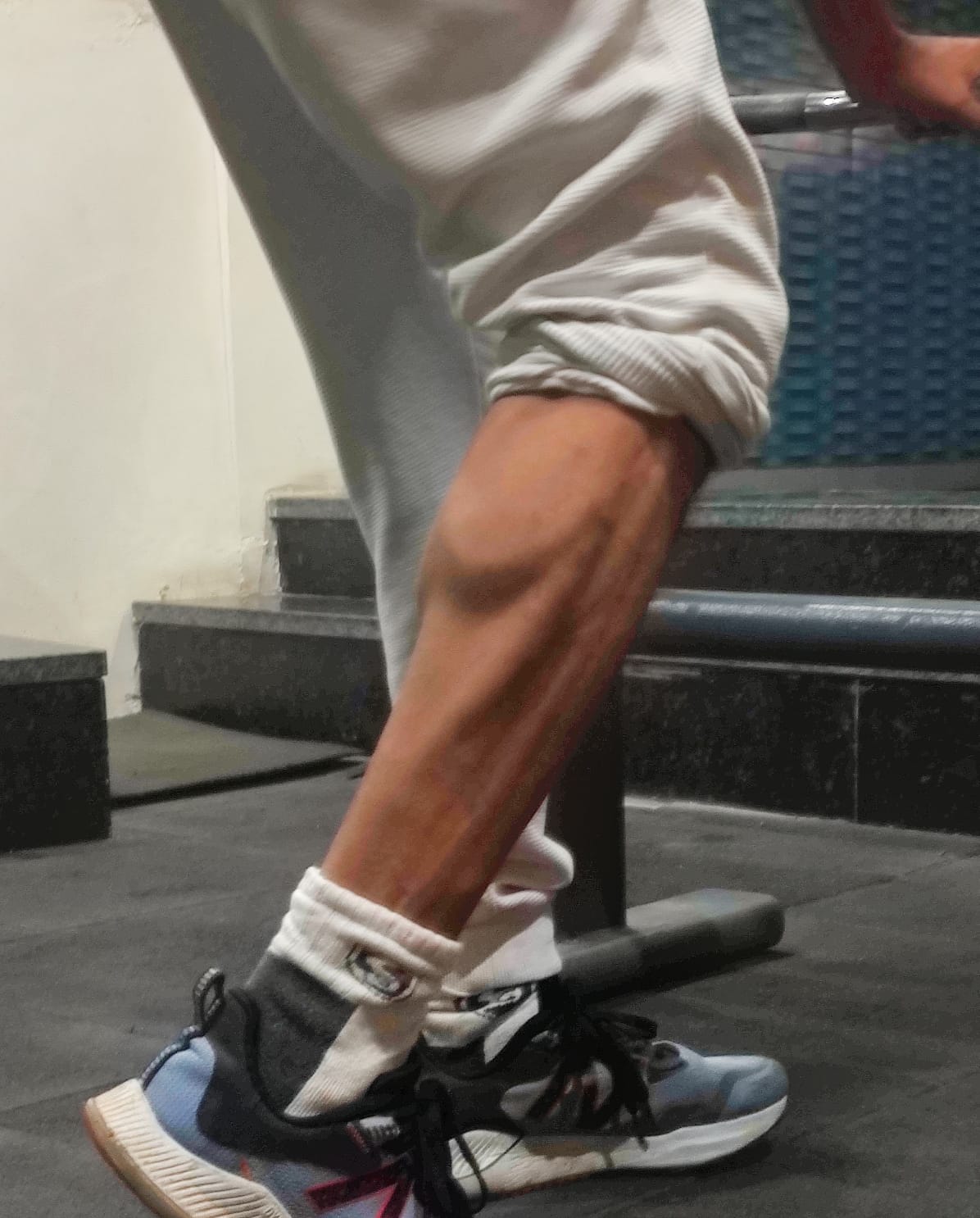
In my own recent experiments I removed whey protein and creatine completely. Protein intake settled around 60 to 75 grams per day from regular food at a body weight of roughly 72 kg. Muscle was not only maintained. It continued to improve under my usual training. The body did not collapse. It adapted.
This does not mean protein is unimportant. It means protein needs are individual and context dependent. For many people, especially those past peak growth years who train intelligently, 0.7 to 1.0 grams per kilogram from food may be sufficient. The exact number matters less than whether the overall system remains balanced.
Food as Load Management
Every meal is also a load. Excess calories, chronic sugar, poor quality oils, constant snacking, and ultra processed foods increase the daily insult the repair systems must clear. When the rate of insult exceeds the rate of successful repair, decline begins whether we call it disease or aging.
Intelligent nutrition therefore does two things at once. It supplies what the system needs and it avoids overwhelming the clearance and repair machinery.
Whole foods, sensible portions, occasional strategic fasting or calorie awareness when needed, and respect for individual tolerance remain the practical foundation. Metabolic flexibility, the ability to shift between fuel sources cleanly, is a better long term marker than any single macronutrient target.
Supplements
I would recommend supplements only when a genuine deficiency exists or for short term specific purposes. Once something becomes a daily requirement for basic function, it has stopped being a supplement. Nature already provides what a healthy human needs when movement, recovery, and food are in order.
Vitamin D, protein powders, and many other products can be useful tools in the right context. They are not replacements for a functioning system.
The Larger View
Nutrition sits inside the four pillars I explore in Wiring to Wisdom. It supports the metabolic pillar most directly, yet it cannot be separated from movement quality, recovery capacity, and the state of the mind. A stressed, poorly recovered, or structurally compromised body will extract less value from even excellent food.
The goal is not perfection on a plate. The goal is a system that can keep repair capacity ahead of the ordinary insults of living, sustain useful muscle and energy, and remain adaptable for decades.
That is the nutrition philosophy I work with every day, both for the athletes I train and other clients and of course for my own life at fifty two.
Good food. Smart training – something that your body needs. Enough recovery. Mental clarity. The rest follows.
 Umesh Chhikara