Sleep is not just a period of rest. It is also a time when the brain performs essential housekeeping. During deep sleep, fluid movement within the brain increases, helping remove the byproducts of daily activity that build up while we are awake. This cleanup process is important because if waste products are not efficiently cleared over time, they may interfere with normal brain function and are believed to play a role in memory problems, cognitive decline, and neurodegenerative conditions later in life.
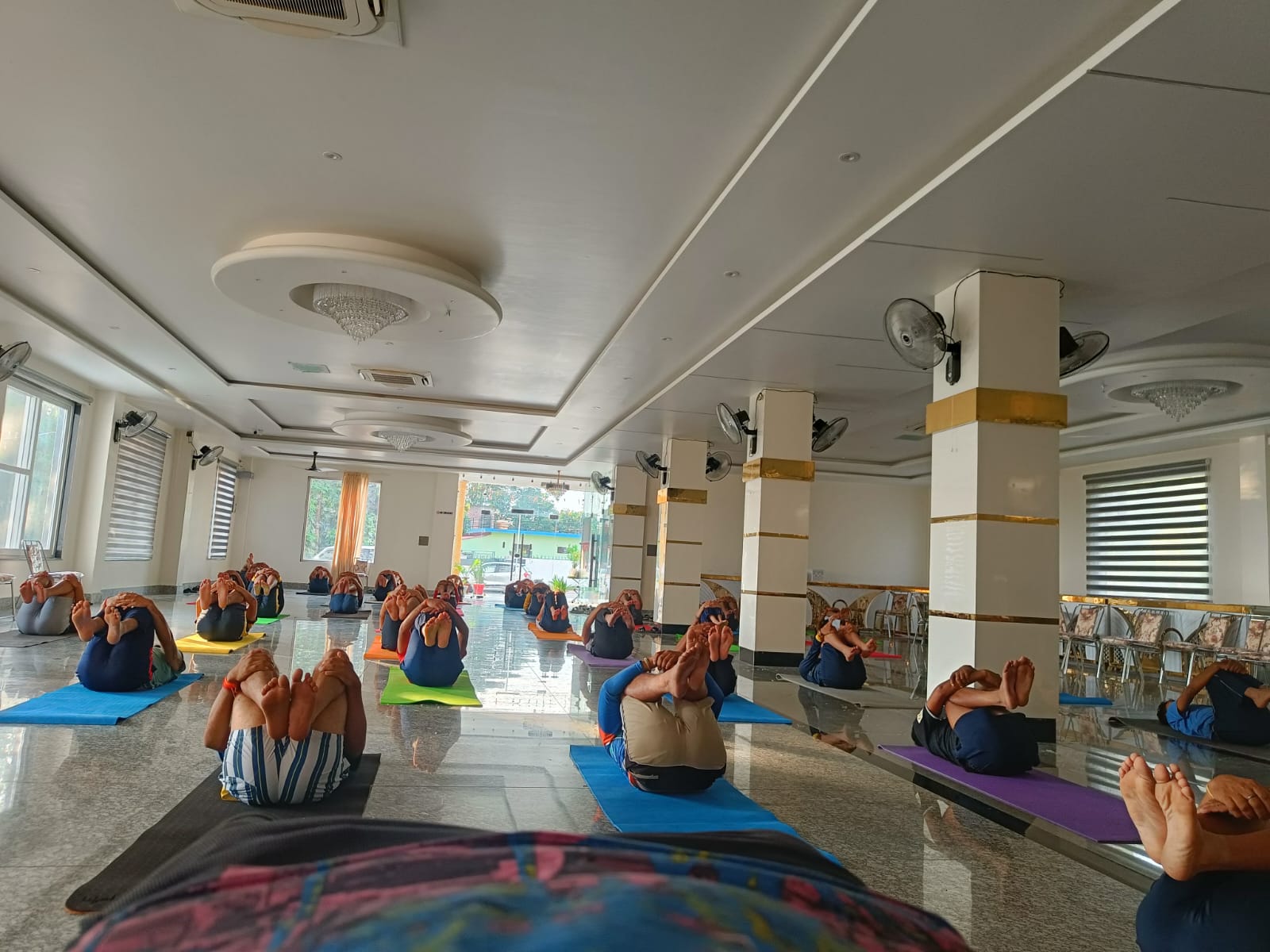
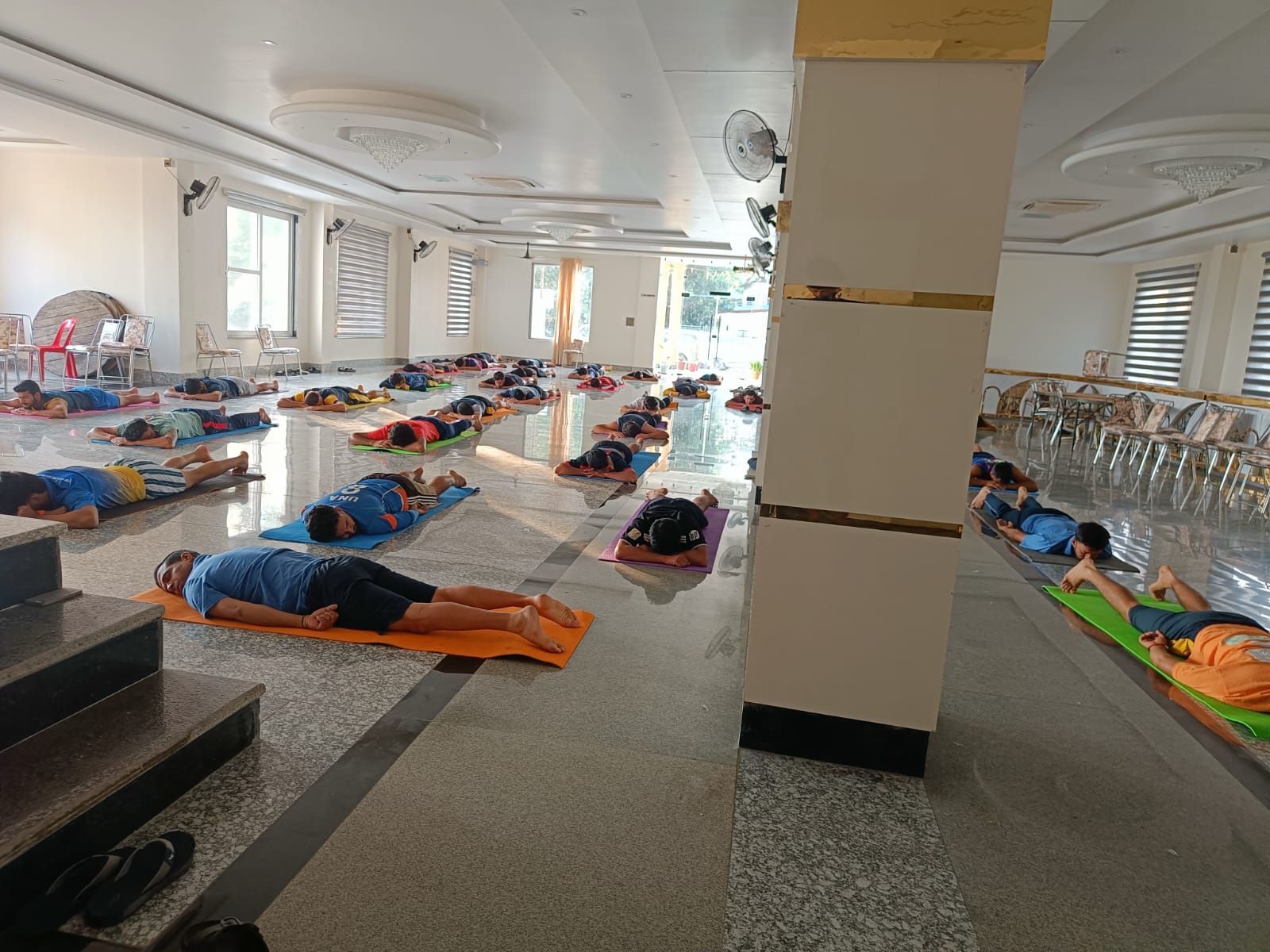
Interestingly sound stimulation is also known to support the brain’s maintenance systems. I have experimented with sound stimulation. I would make a class of 40 young boys fall asleep by playing a certain piece of music. This is usual regardless of when and where I am taking a camp.
It started with my own meditation practice where I used it first. I noticed that my eyes would start to shut and my mind would begin to relax whenever I listened to this one track. There was no fixed time involved. Anytime I sat on the floor, closed my eyes, and played it, the effect was the same. I still do it whenever I feel like regardless of the time.
The scientist in me doesn’t just make me study researches or science literature. It makes me experiment and live it first before giving to others.
Once lived and tested, I then applied this to many groups of young athletes over the years, and the results were no different. Interestingly, it does not happen with any other music, even though some tracks are specifically designed to promote calmness and relaxation.
Its known that certain music induces meditative states by entraining brainwaves toward alpha and theta via rhythmic synchronization. It is supposed to calm the nervous system, slows heart rate/breathing, reduces stress hormones, and quiets the default mode network creating a full-body feedback loop shifting you from active beta thinking into restorative, mindful states backed by EEG, fMRI, and music therapy research. Sound meditation is a thing quite known now.
I tried sound meditation too however I wasn’t fully convinced that it works for everyone. Sound meditation does work but it didn’t have the same effect on me. I guess the explanation of sound on brain maintenance adds a fresh nuance which together with brainwave theory sounds more plausible.
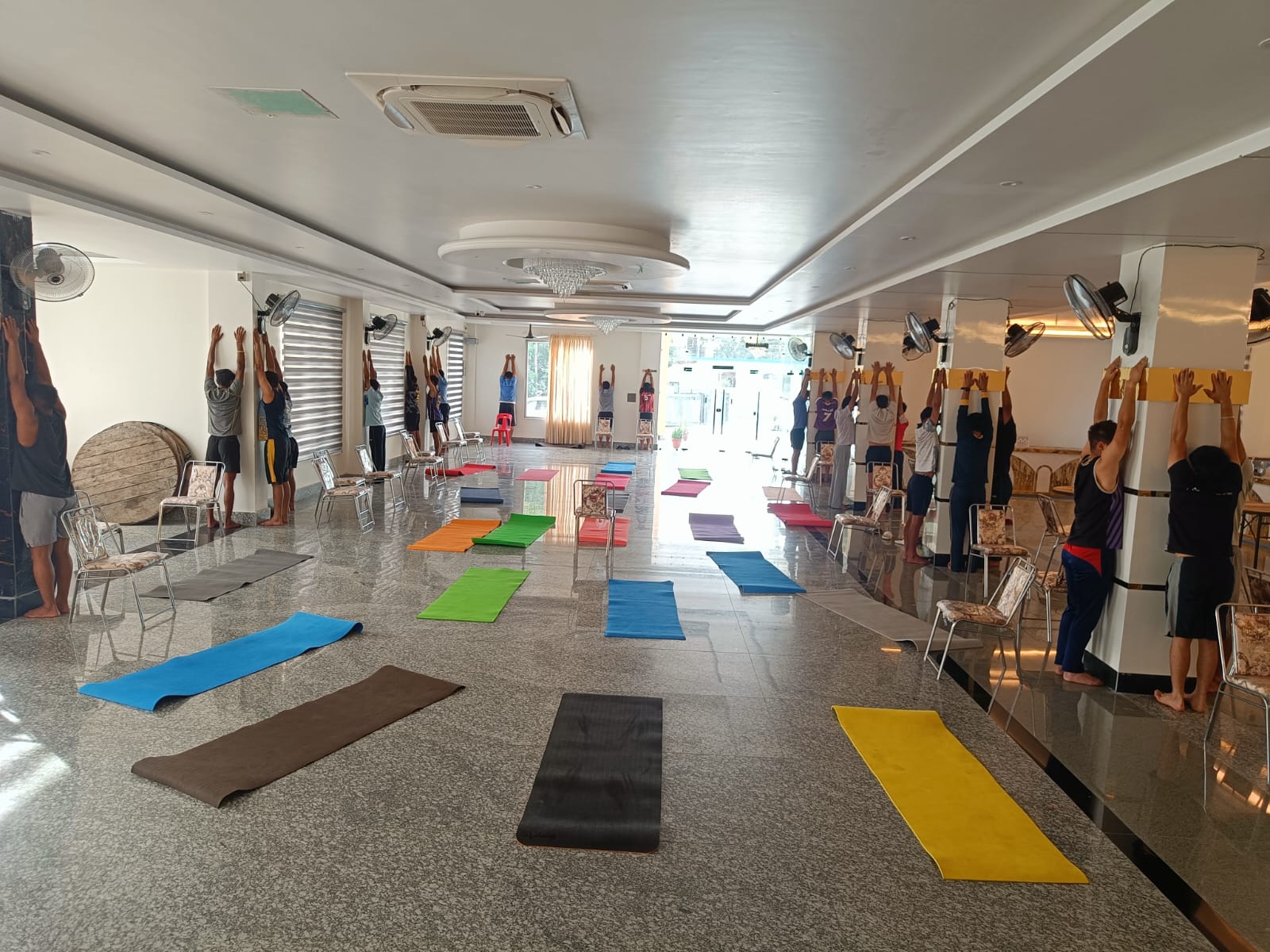
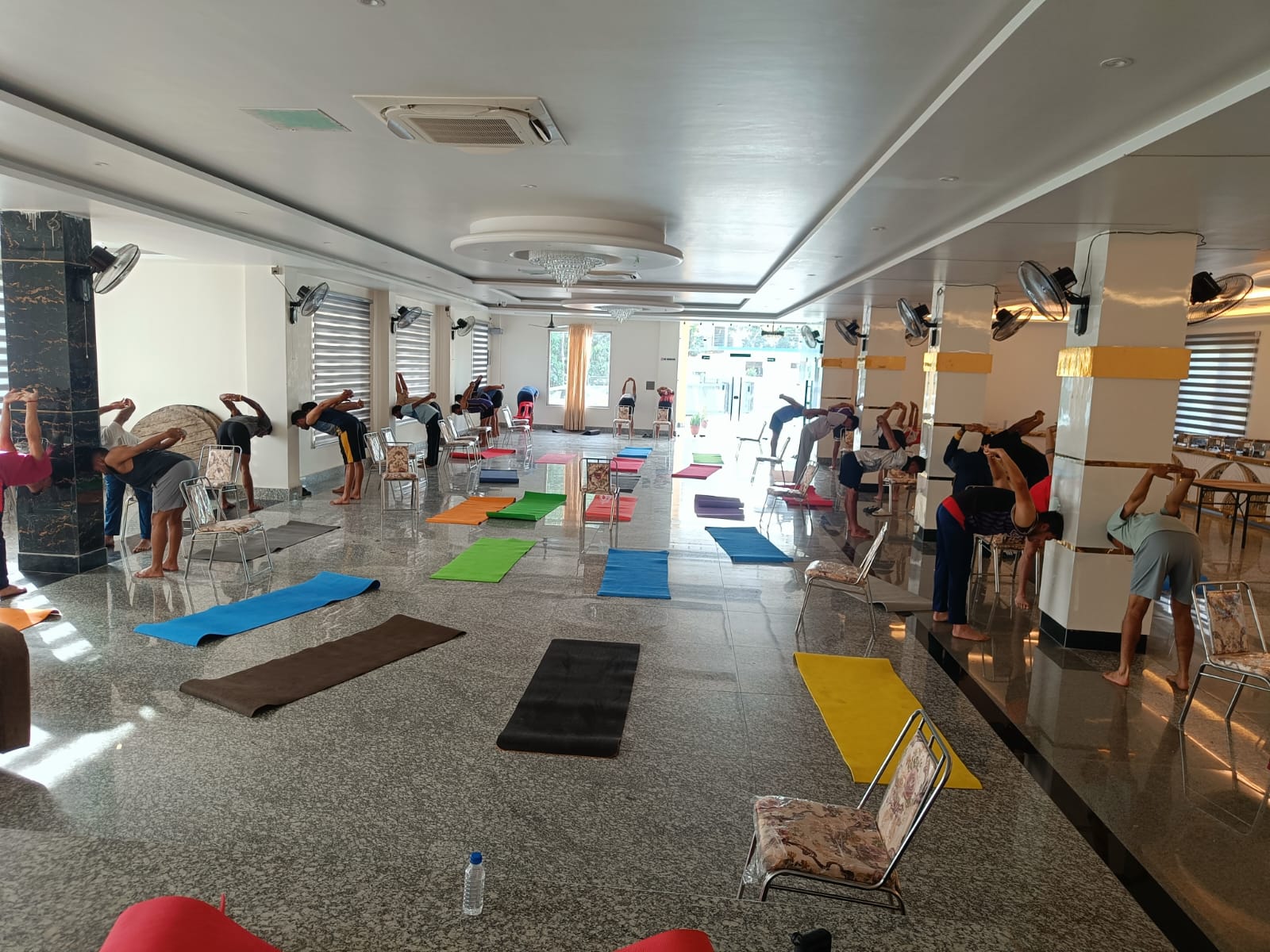
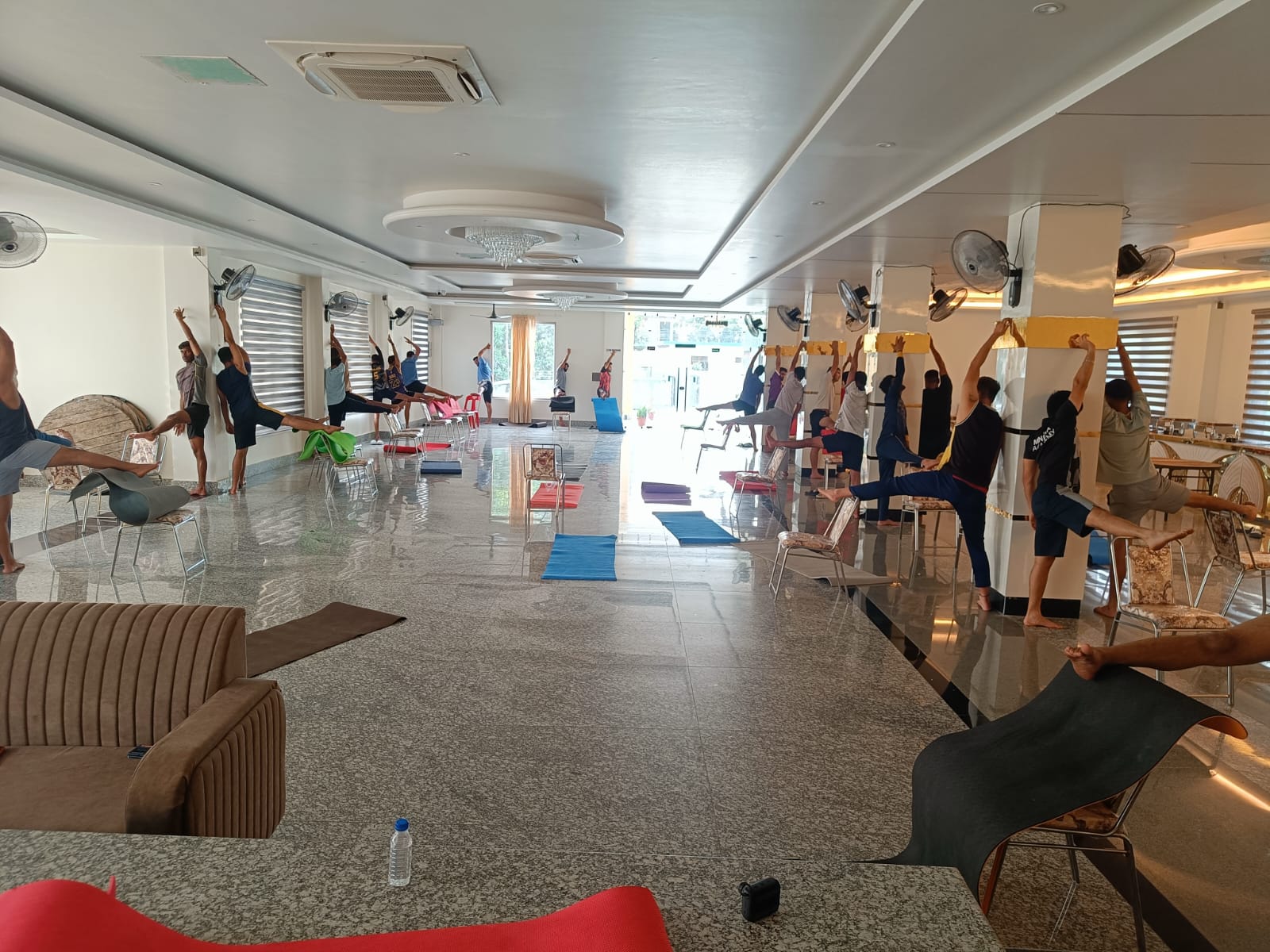
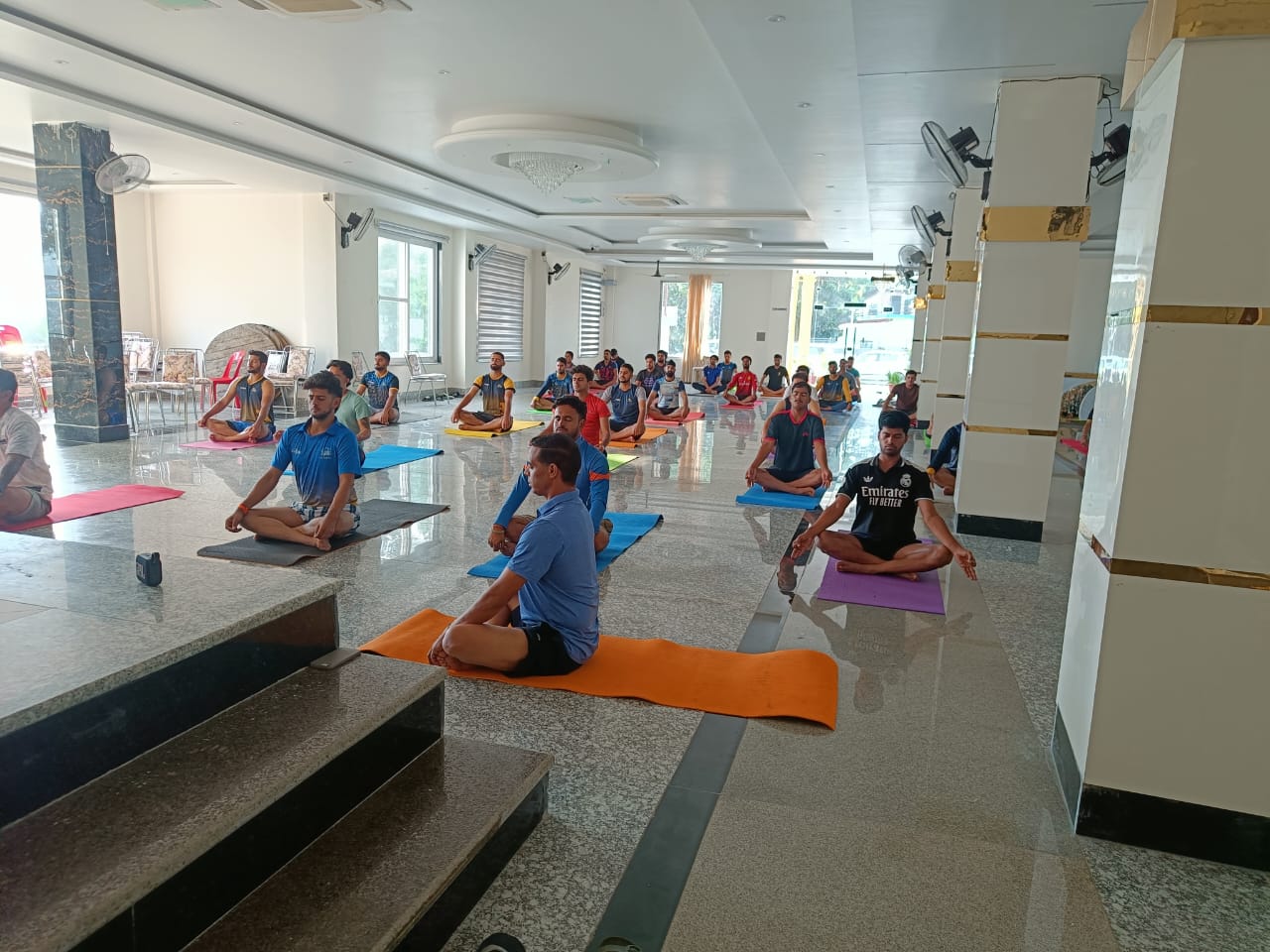
The pictures below are from my latest camp that finished day before. Same music. Same effect. I would finish what I would call a recovery or relaxation session with this frame every day. Nobody gets bored and everyday it has the same effect. Some pictures speak louder than words and these frames make into the best example of this.
When was the last time you saw a bunch of boys in their 20’s so quiet? Not one day…everyday for 2.5 weeks.
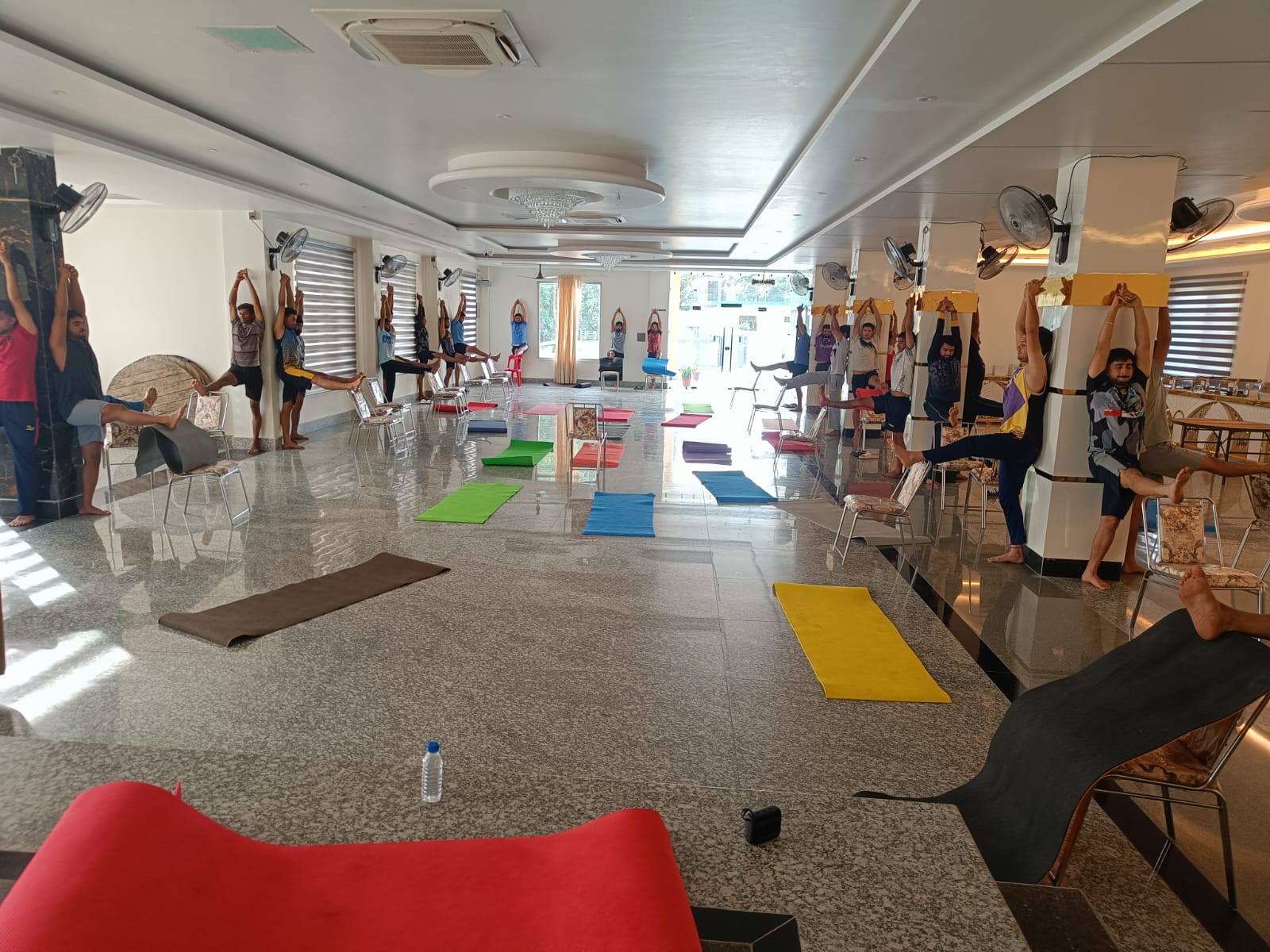
What you see in the first photograph is the outcome of cumulative recovery of the entire system, not just the body but the mind as well. Achieving this state is far more challenging than it may appear. One of the biggest challenges, in my view, is that young athletes cannot remain engaged with the same repetitive routine day after day. They need novelty, curiosity, and excitement. As a teacher, my responsibility is to continually introduce new elements, even in camps that run for several weeks. I literally would add something new everyday that would challenge & relax their musculoskeletal system. Its not easy to keep young men happy for so many days 🙂
Doing this effectively requires a deep understanding of anatomy, sports specific movement patterns, training loads, and the structural adaptations that occur from playing a particular sport besides of course understanding neural circuitry, mind, and brain science. Every session is therefore designed with a purpose. It is not a regular yoga class or a generic relaxation routine. It is a targeted intervention built around what the athletes did in training, how their structures have adapted to the demands of their sport, and what they require to restore balance and recover fully. This understanding then doesn’t require fix props. I make do with what is available. In this case, it was chairs. Sometimes its just a wall or a table or nothing. The result is always the same.
True relaxation is not something that can be instructed. It emerges when the body no longer needs to compensate, protect, or resist. When structural balance is restored, the mind naturally follows. The stillness, focus, and ease visible in these photographs are not being forced; they are the visible expression of a system that has finally returned to equilibrium.