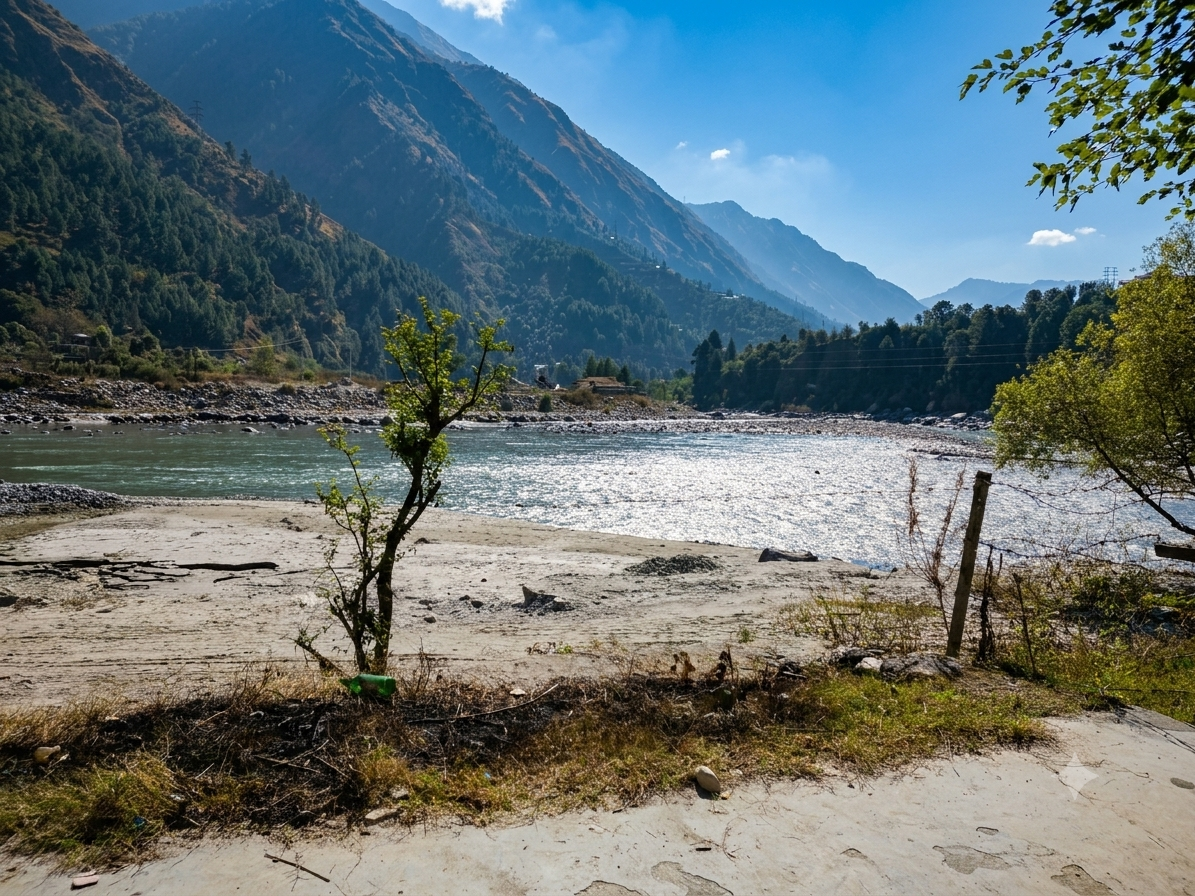
Learn. Train. Heal. Transform.
Guided by experience. Informed by science.
Official Website Coming up Soon…..
It is not just the input. It is you.
We are constantly told what to eat, how to exercise, which supplements to take and which health routines to follow. But the same intervention does not produce the same results in everyone.
Two people can follow the same diet, perform the same exercise or experience similar stress, yet respond very differently. Their physiology, movement patterns, nervous system, experiences, beliefs, habits and environment all influence the outcome.
This is where my approach to human health begins: understanding the individual rather than simply prescribing another protocol.
Understanding the four pillars of health
At Human Performance & Wellness Gurukul, I approach health through four interconnected pillars:
1. Musculoskeletal Health
Understanding how the body moves, identifying movement limitations, addressing pain and recurring injuries, and restoring strength, mobility, balance and functional capacity. The objective is not just temporary relief but better movement and long-term physical function.
2. Metabolic Health
Looking beyond body weight and restrictive diets. Understanding nutrition, physical activity, exercise capacity, sleep and relevant health markers to develop practical and sustainable approaches to metabolic health.
3. Cardiovascular Health
Looking beyond a single number on a health report. Understanding blood pressure, heart-rate response, exercise tolerance, recovery and other relevant cardiovascular measures to guide physical activity and long-term heart health.
4. Brain & Mind Health
Understanding the relationship between stress, sleep, behaviour, beliefs, attention and daily habits. Incorporating appropriate movement, relaxation, mindfulness and practical lifestyle changes to support overall well-being.
The Human Operating System
Why does the same diet, exercise or stressful situation produce different outcomes in different people?
My Human Operating System framework explores the individual factors behind these differences. Temperament, nervous-system responses, beliefs, identity, experiences, habits and our sense of meaning all influence how we perceive and respond to life.
Biology remains fundamental, but understanding the individual helps us make better decisions about health, exercise, recovery and behaviour.
This is also the central idea behind my book, Wiring to Wisdom – A Guide to Human OS.
Balance Theory: Understanding the body’s capacity
The body is continuously producing energy, maintaining its structures, responding to demands and repairing damage.
My Balance Theory explores the relationship between energy production, protein synthesis and maintenance, repair, recovery, physical demands and the body’s capacity to adapt.
The important question is whether the demands placed on the body are compatible with its ability to maintain, repair and adapt.
When demands repeatedly exceed this capacity, function can deteriorate. When demands are appropriate and recovery is sufficient, the body gets an opportunity to adapt and maintain its functions.
This perspective guides my approach to exercise, rehabilitation, recovery, nutrition and long-term health.
Residential Health Programmes
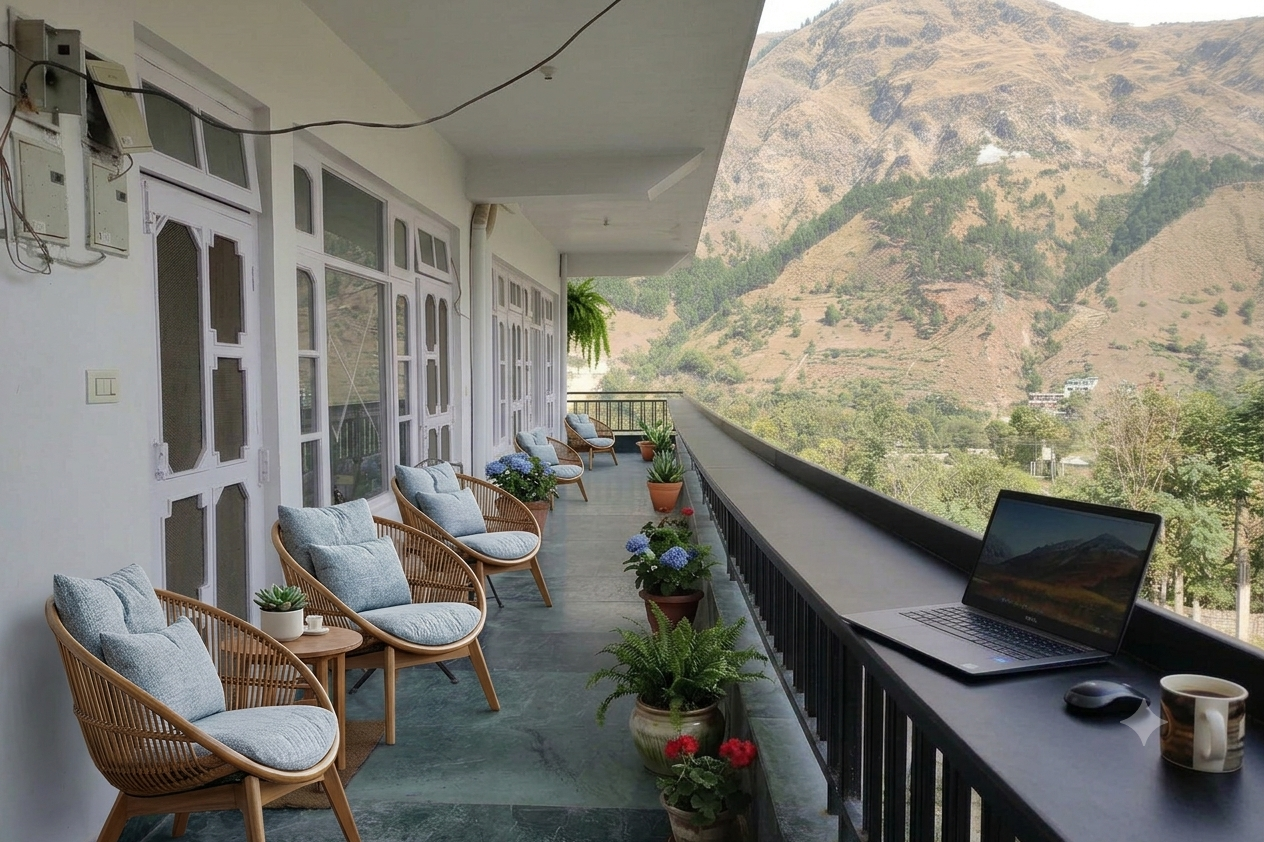
The Gurukul brings these principles into practice through individual assessment, guided exercise, rehabilitation where appropriate, nutrition, recovery and health education.
The residential programmes are designed around individual needs and goals:
- 7 Days – Learn: Understand your health and movement, learn the fundamentals of exercise and nutrition, and establish a foundation.
- 15 Days – Restore: Give more time to specific goals involving movement, strength, rehabilitation and lifestyle improvements.
- 28 Days – Rebuild: A more comprehensive period to work on physical function, exercise habits, weight management and relevant metabolic health goals.
Progress is assessed through appropriate health investigations, physical assessments and functional measurements, with selected reassessments wherever suitable. The aim is to understand what has changed and develop a practical plan that can continue after returning home.
Sports Performance
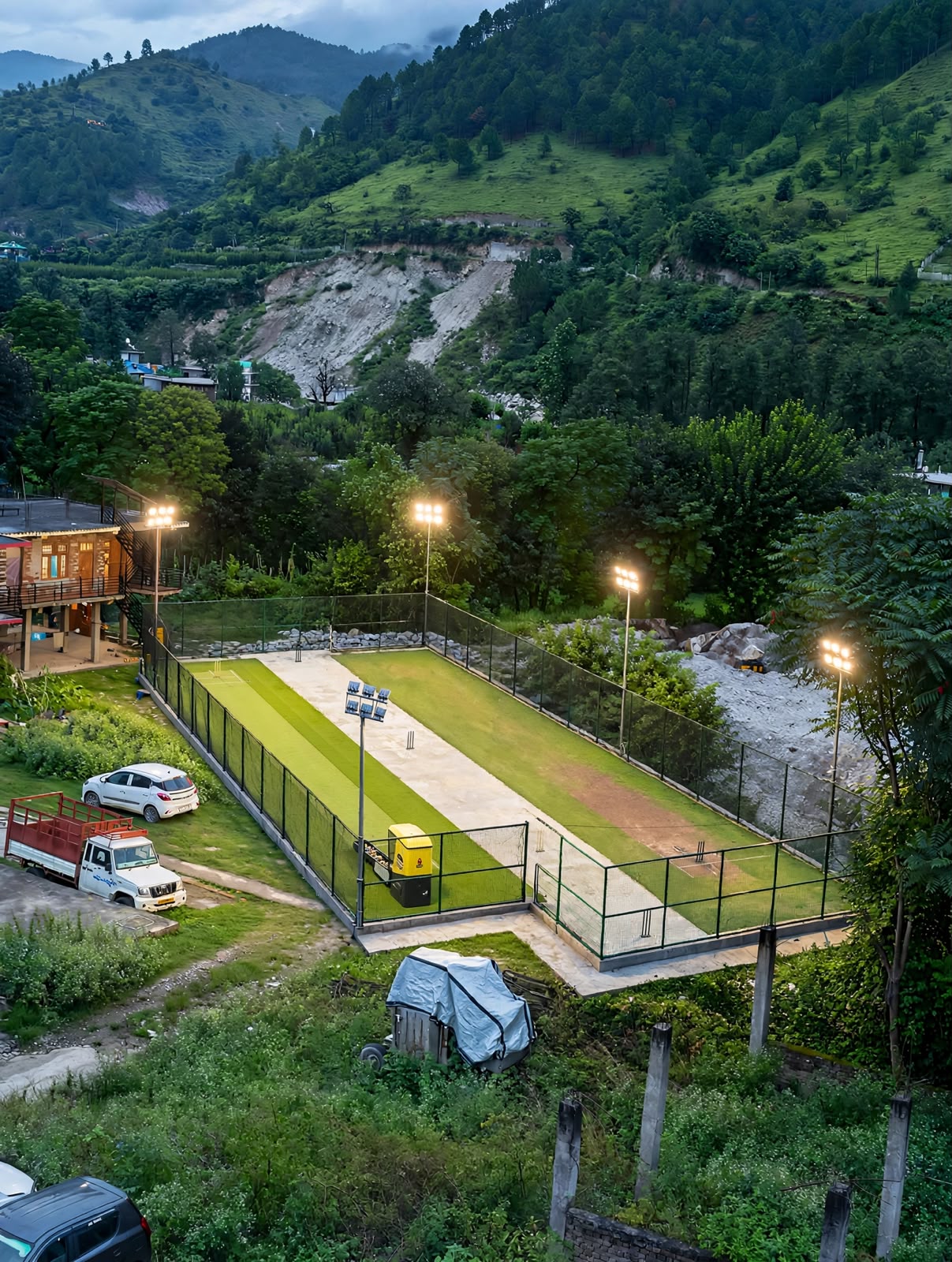
My work also extends to athletes across sports and age groups.
Performance is not simply about training harder. It requires an understanding of movement mechanics, biomechanics, force production, speed, power, structural balance, rehabilitation, recovery and the specific demands of each sport.
Having worked with athletes across cricket, wrestling, boxing, golf, badminton, swimming and other disciplines, I believe effective training begins with understanding the individual athlete rather than applying a standard programme to everyone.
About the Gurukul
I am Umesh Chhikara, Sports Scientist, Human Performance & Healthspan Architect.
My professional background brings together movement science, anatomy, structural balance, strength and conditioning, rehabilitation, integrated manual therapy, yoga and nutrition. I have also worked in high-performance cricket with the Delhi and District Cricket Association (DDCA), supporting senior and age-group athletes.
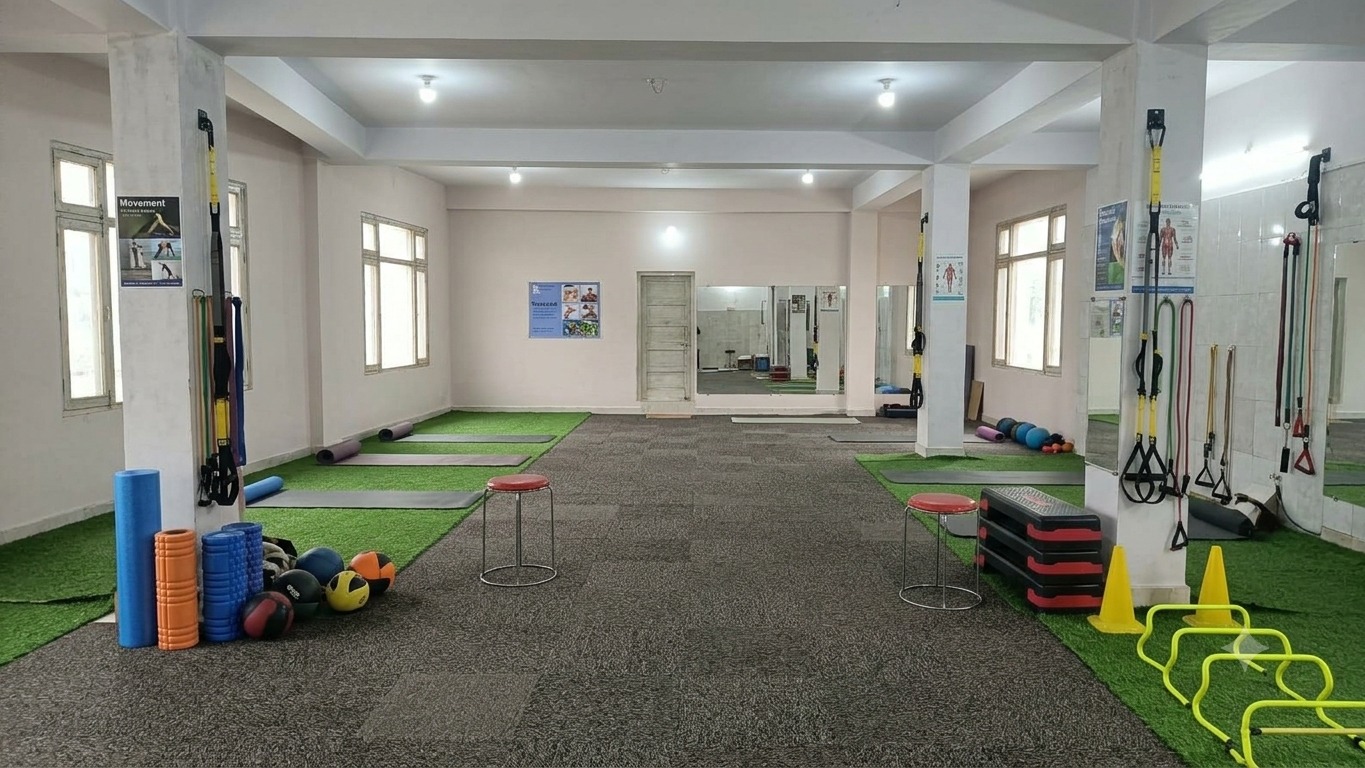
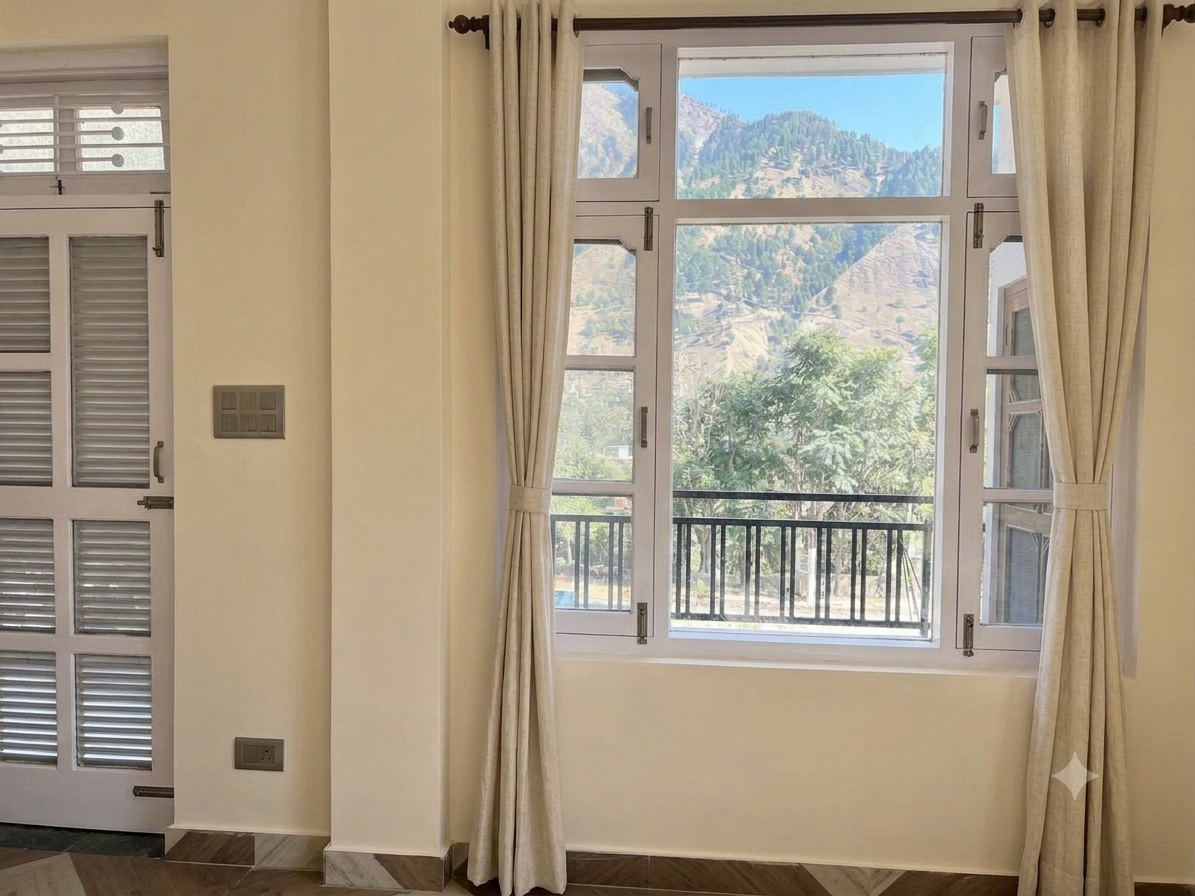
The Gurukul brings this experience into a residential setting in the mountains, with mountain-facing accommodation, an indoor training space, access to natural walking trails and a structured daily routine. Food is prepared in-house, with an emphasis on familiar, practical eating habits.
The objective is not simply to exercise, relax or follow another health routine. It is to understand your body, identify what needs attention, learn how to work with it and develop practices that support health and physical function throughout life.
Human Performance & Wellness Gurukul
Learn. Train. Heal. Transform.