
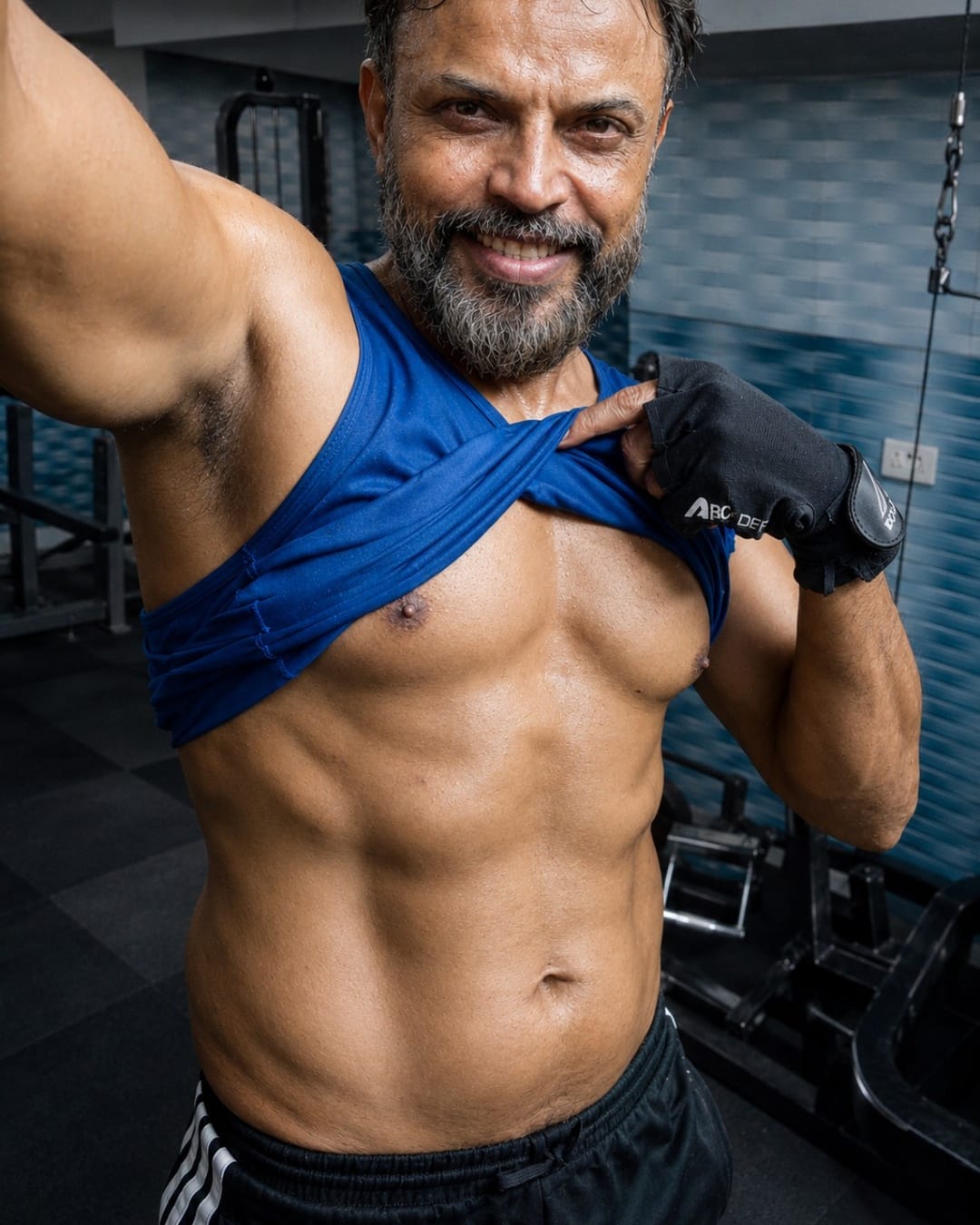
I am 52 years old and often told that I look much younger than my age. While that is always flattering, what makes me happier is when athletes in their 20s ask me if they can be like me. It makes me wonder. We often talk about youthful skin, youthful energy, and youthful appearance.
But can muscles look youthful too? I believe they can.
As a health researcher, I have spent years looking at the body through different systems. What I have come to appreciate is that muscle is not merely a measure of strength. It is also a reflection of health. The shape, density, texture, vascularity, and even the way a muscle sits on the body can tell a story about the underlying physiology that created it. Most people see muscle and think size.
I see muscle and ask a different question: What built it?

If the result comes from extreme diets, heavy training volumes, and years of relentless effort, then I see it as a predictable response to a powerful stimulus. Give the body enough training stress, enough protein, enough calories, enough supplementation, and muscle will grow. It is similar to applying an intervention and observing the outcome.
My interest lies elsewhere. Just as I try to maintain excellent blood markers on a normal home cooked diet, I strive to build and maintain musculature playfully, without supplementation and without making exercise the centre of my life. The reason is simple. Supplements must stop – I have been off ‘whey protein’ and ‘creatine’ for over 2.5 months now. Extreme routines eventually stop. Rigorous training often becomes difficult with age, injuries, changing priorities, or life circumstances. We see the consequences of this all around us.
But when muscle is built in harmony with the body’s natural environment, it becomes more resilient. It stays. Otherwise what can explain the increased muscle size without any supplementation?
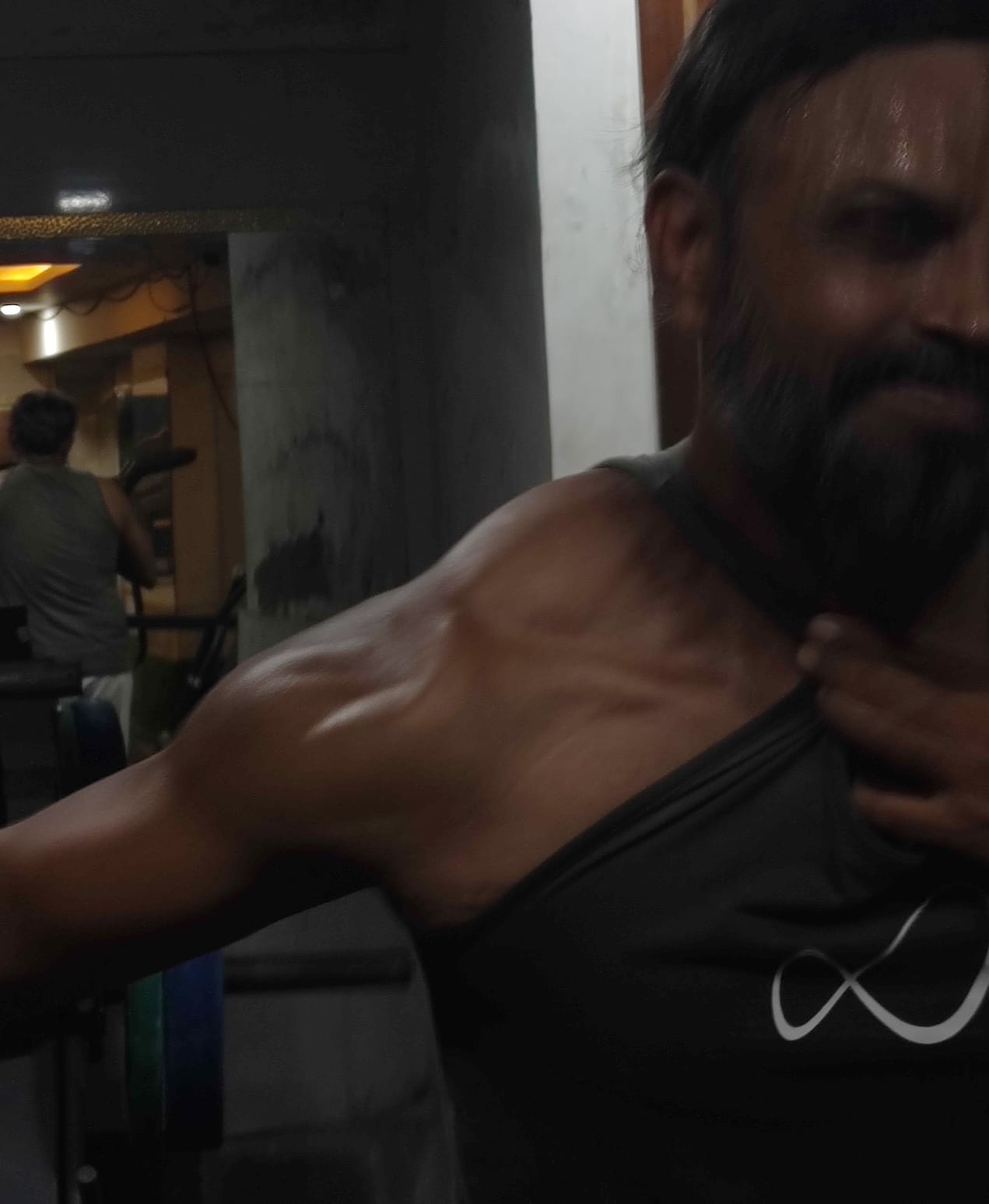
More importantly, I have never forced my body to adapt to an entirely new metabolic machinery, excessive muscle loading, or a constant dependence on external nutritional support. The muscle remains a product of the body’s native systems rather than an artificial environment created around it.
If human physiques could be divided into organic and inorganic, I would describe mine as organic.
Muscle is not just about size. Size can be built in many ways. What makes a muscle look beautiful is its shape, density, separation, vascularity, and orientation.
When people look at large muscles, they often notice that many of them appear dry, hard, and flat. That look is often the result of intense training, glycogen manipulation, dehydration strategies, and diets that bear little resemblance to what most families eat at home. But there is another look that is harder to describe and impossible to fake.
A muscle can look juicy. Untired. Playful yet reslient.

What creates that appearance?
It is the combination of healthy blood flow, well hydrated muscle cells, adequate glycogen storage, good connective tissue quality, and a metabolism capable of continuously delivering nutrients where they are needed. The muscle does not just look full. It looks alive.
A juicy muscle has a certain glow, density, and roundness. The skin appears to sit naturally over the tissue. The muscle feels firm but not stiff. Veins may be visible, yet the muscle retains fullness. It carries both strength and vitality. In many ways, muscle is a reflection of the health of the entire system.
Blood vessels, nerves, connective tissue, hydration, hormones, mitochondria, and movement patterns all leave their signature on how a muscle looks.
That is why two people can have the same arm measurement and look completely different. One may have bigger muscles. The other may have healthier muscles. One may have muscles that are being sustained by an environment that must be constantly maintained. The other may have muscles that are simply expressing the health of the body they live in.
To me, that is the difference between engineered muscle and organic muscle.
And perhaps that is what youthful muscle really is. Not the biggest muscle. Not the strongest muscle.
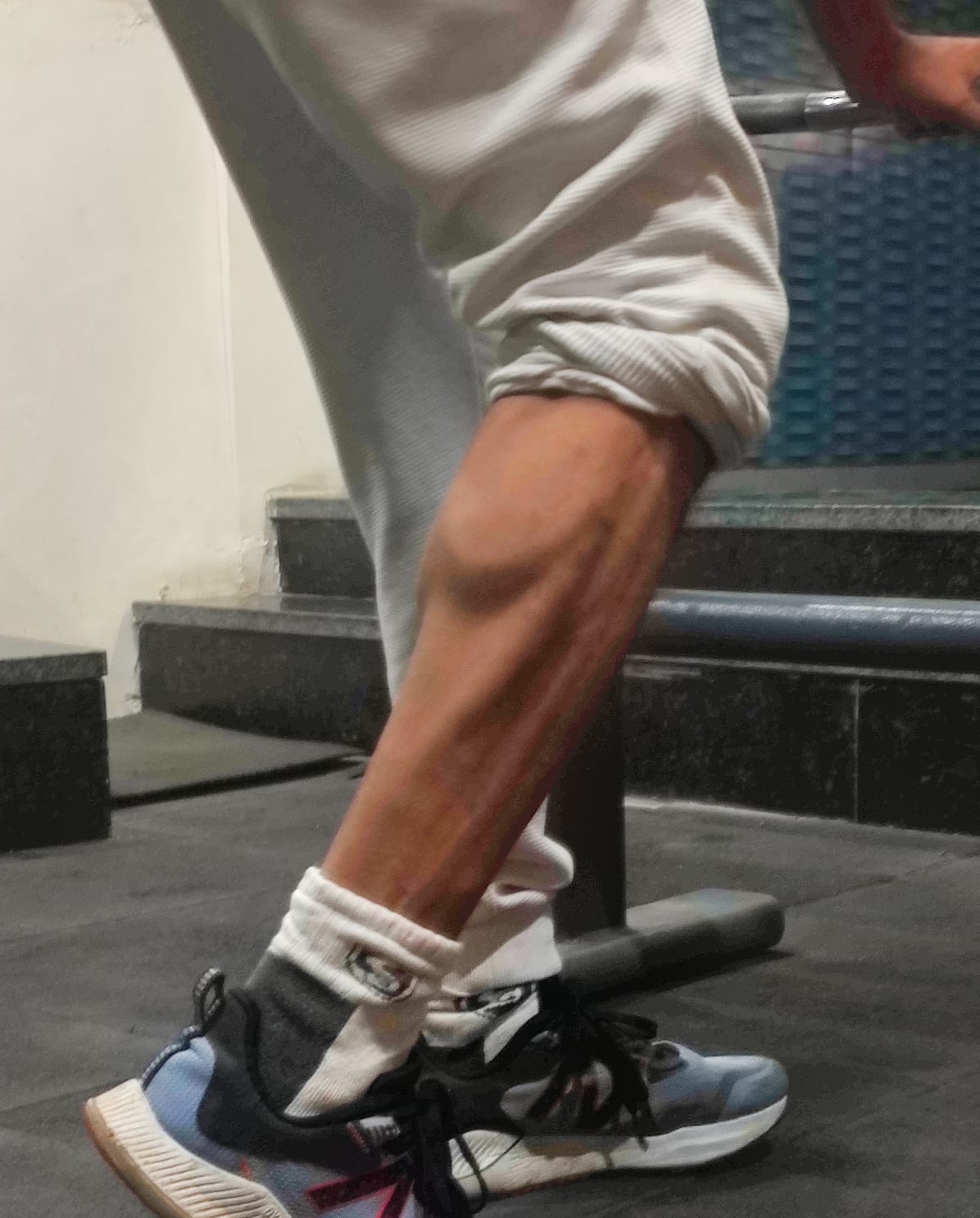
But muscle that still looks alive.
This is not to say that whey protein or creatine are unnecessary or bad supplements in any way. I have used and enjoyed both from time to time. The picture below was taken about two years ago when I was using both supplements, and the physique looks equally good.
Study: This experiment was designed to study the effect of a natural diet and protein obtained from regular food. The objective was to see whether muscle can be built without supplementation. Based on this n=1 observation, I can confidently say that it is absolutely possible to build and maintain muscle on a home cooked diet without any supplements.
Note: As a training professional, I do have a significant advantage when it comes to building a physique like this. Especially I am someone who places training stimulus above calories, whereas much of the fitness world tends to prioritize calories first. Therefore, a large part of these results could certainly be attributed to the quality of training. However, from a scientific perspective and within the scope of this experiment, the key finding remains that muscle mass can be increased without supplementation.
Note: I have NEVER been on a diet unless I am doing a study on a food substrate. So food intake during both the phases have been more or less same.

