
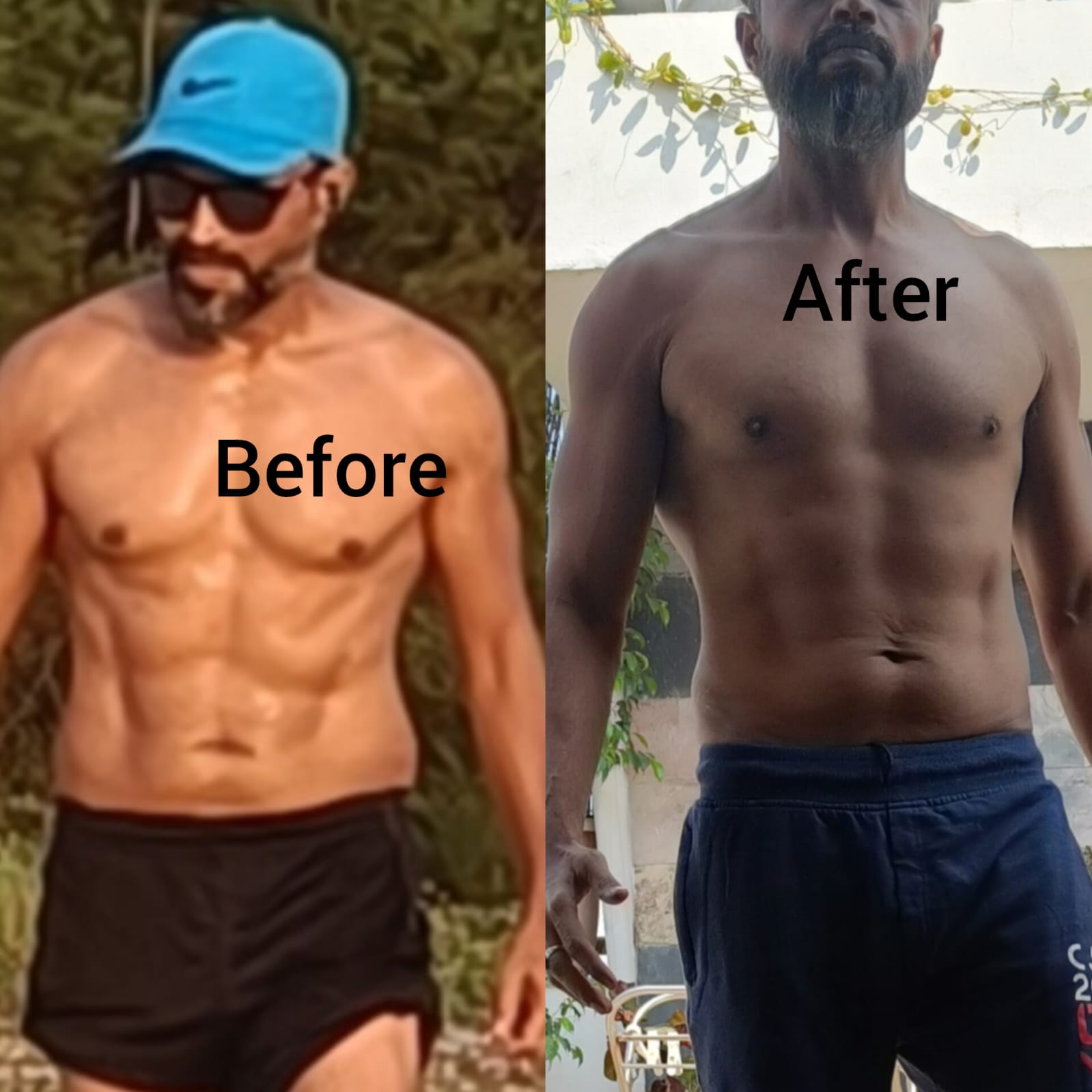
Disclaimer: I do not have access to any lab for precise measurements. Therefore, where weight and body fat percentage are measured with full accuracy but Muscle size gains are assessed through observation & visual clues. As for calorie intake, as a sports scientist, I am confident that I increased my daily caloric intake by approximately 150-200 kcal. It’s impossible to pinpoint the exact number, given the nature of eating at libitum (to fullness) and varying food intake each day. Nonetheless, this study remains valid and legitimate, as it is conducted on myself — someone with experience working with over 500 athletes and managing weight loss cases in my clinical practice.
I am doing this to study Harman Pontzer’s ‘Constrained Energy Model’ – CEM, that I do not agree with. It is even more shocking to me when I see all exercise scientists (otherwise very local) excepting it. Its beyond me:
CEM works well in:
- chronically sedentary populations
- low muscle mass
- low NEAT variability
- stable routines
- energy scarcity environments
- Or in people with same lifestyle – recreational athletes. They may train harder intermittently but doesn’t change anything else. This population is different to population I am speaking about where people are working under a professional who changes everything from their training stimulus to food & diet.
Basically, modern humans with narrow behavioral bandwidth.
In my experience and studies, CEM breaks down in:
- trained individuals
- high protein diets
- high NEAT cultures
- adaptive stress exposure
- populations with fluctuating workloads
STUDY: To gain lean muscle mass and lose fat – showing increase in Total Energy Expenditure

Eight weeks ago, I decided to do a study with two primary objectives:
1) Reduce body fat
2) Build muscle mass
Biggest Challenge: How to increase muscle mass while staying lean @50?
The Contradiction:
a) To lose fat, we need to reduce calories.
b) To gain muscle mass, we need to increase calories.
A bit of a conundrum, right?
Hypothesis I was testing : The key should lie in metabolic flexibility and increasing overall calorie burn. There has to be a positive linear relationship between physical activity & total energy expenditure otherwise I have no explanation on any of my studies/subjects who have lost weight without touching their calorie aspect.
Fact: What people dont understand is this – in a sporting environment you cant restrict the calories of a sportsman because they eat ad libitum – to fullness. You can’t grind them on field and ask them to eat less! Therefore the only way to straighten them out is to make them burn more calories. And this is what I have done over the years season after season and saw boys losing weight right in front of my eyes. Some lost it so quickly that its impossible to reason it out via science.
Facts:

– I maintained the same training time – an hour
– Increased calorie intake
– Added some light activities (not much though, since I’m usually active anyway)
Added Extra Calories (depending on mood:)
Goond Ladoo (loaded with sucrose, ghee, & dry fruits), oats with milk & seeds, vegetable juice, sweet potatoes, fruits, + regular home-cooked meals.
Supplements I consumed:
- Ashwagandha – been taking it for couple of months
- Whey Protein – kept it same (around 50 grams approx)
- Creatine – kept this same (3 grams)
So no changes as such for the study. Kept the supplementation same therefore its 100% increase in TEE – replacement of fat mass with muscle mass if I can claim

In this study the following strategies seem to have worked as I hypothesized
1) Training Stimulus: I varied the load, reps, and exercises, mixing body parts.
2) Improving Activity Burn: Focused on increasing NEAT (Non-Exercise Activity Thermogenesis).
3) Quality & Timing of Extra Calories: helped with better muscle uptake of calories contributing to increased burn overall.
Important notes:
I did not shift to eating boiled food or eggs (nothing wrong with eggs but I am allergic to eggs)
I did not quit sweet/sugar through out or my regular drink
Results:
Body weight – same 70.4kgs to 71kgs
Fat % – from 9.7% to 8.5%
Muscle mass gain – visible but I can’t give a number to it. I wish if I could do muscle biopsy
Conclusions:
- Constrained Energy Model is accurate but with the right strategy we can reduce fat % without reducing calories.
- Increased calorie burn should be holisitic – a) increasing calorie burn from exercise; b) increase NEAT, c) Calorie timing – increasing the muscle uptake of glucose, and d) Type of calories
- Increasing Lean Muscle Mass will increase the BMR and perhaps compensated for increase calorie intake.
Note: Testosterone level remained the same (around 800 ng/Dl). So no over training during the study.
Here are two more case studies that are beyond calories debate:
For more insights, check out my podcast:
 Umesh Chhikara