

Note: photos taken from a video in a real time sequence.
In sports, athleticism is often linked to top speeds, but I contend that take off is a vital component that surpasses the importance of a hundred-meter sprint. A powerful take off holds significant value in diverse field sports and should be recognized as a marker of optimal physical fitness. This is why we frequently observe bulkier players excelling at the highest level. While they may not be good in endurance tests like the yo-yo test, their agility enables them to reach the ball faster. Additionally, their ability to swiftly change direction while running between the wickets is enough to make them look match fit.
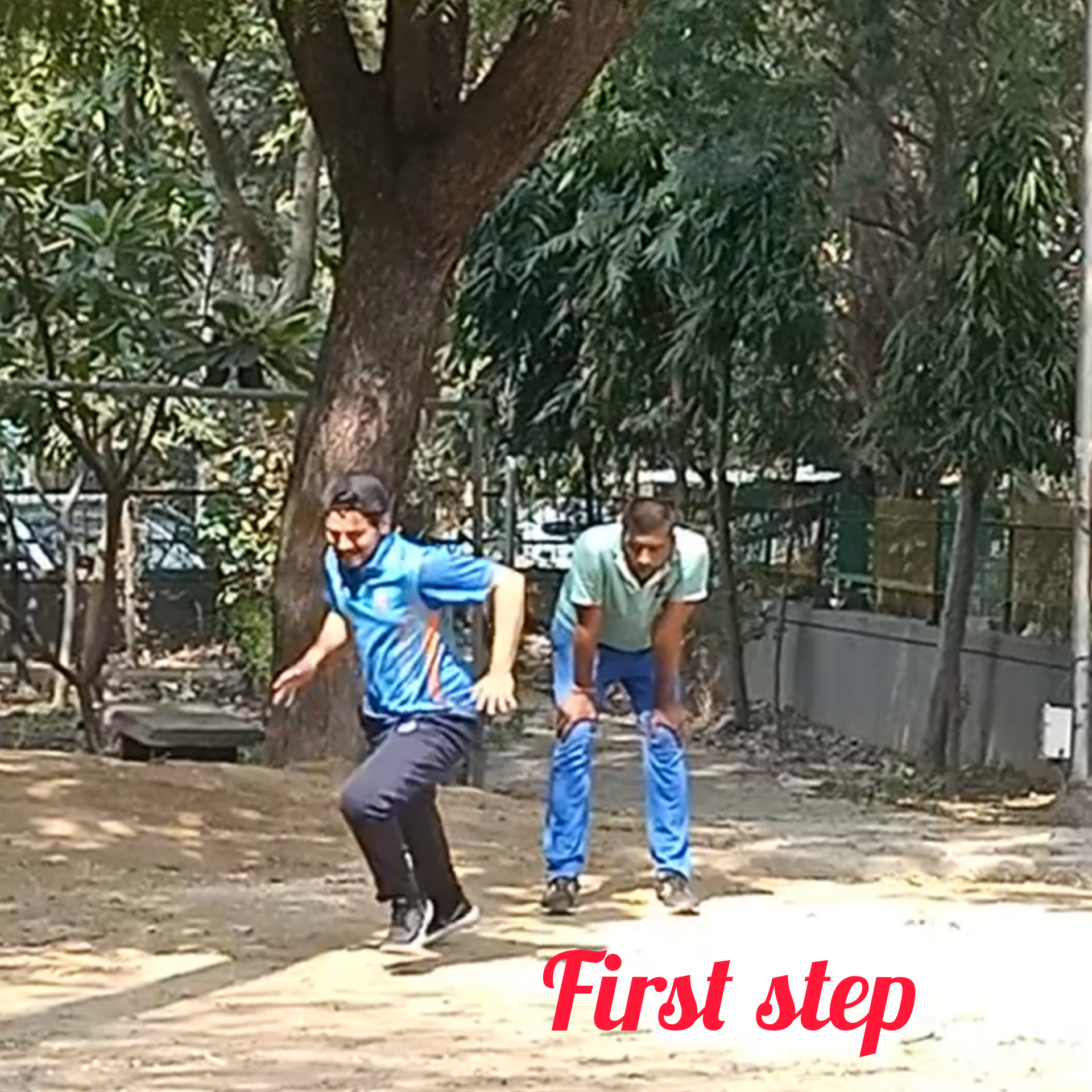
What exactly is a take off? It essentially involves assuming an optimal running position based on posture, and the speed at which this is achieved. The quicker you achieve it the better. Among all sports, cricket demands the most exceptional take off due to:
– the push-to-stance movements,
– the distance a cricketer needs to cover before coming to a stop,
- – and the uncertaintity of having to take off in any direction at any angle.
As a result, cricketers who possess exceptional take off skills are able to cover the required distance more quickly. This is evident when comparing the performance of different cricketers during catches. Some cricketers effortlessly make challenging catches look easy, while others struggle with seemingly easy catches, even when they are positioned similarly and running same distance. The disparity in their ability to execute successful catches can be attributed to their proficiency in take off techniques.
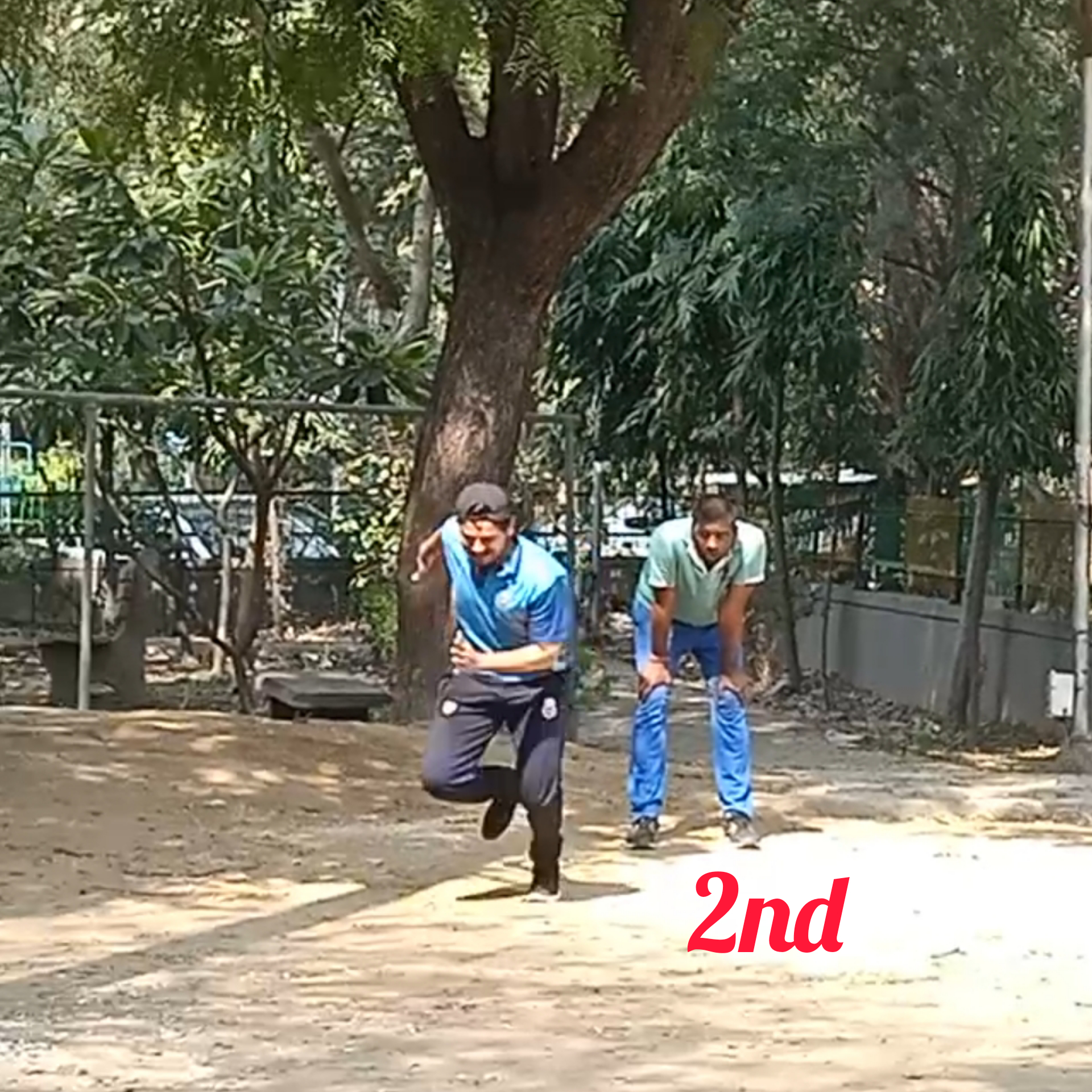
Can take off be improved? Absolutely. Reflexes also play a role in executing a successful take off. And since the CNS response to a call can be trained effectively, there is no reason why we can’t improve a take off.
Let’s consider a straight angle for take off, which involves a movement from a stance to a push. Picture a game of cricket and contemplate whether a proficient take off can benefit a cricketer in such situations.
It is often assumed that running does not hold significant importance in a sport like cricket, where hitting sixes is considered more crucial. However, the truth is that a well-executed take off can greatly impact a cricketer’s performance, even in their ability to hit sizes. Enhancing their ability to react swiftly aids a cricketer at all levels.

Take off is essentially the position from which we can achieve our maximum speed. It may involve proper biomechanics or compromised ones, but the crucial factor is how quickly we can get into the position to accelerate at our optimal pace. This ability is what makes a player faster and more agile on the field. It is also a quality that contributes to a player’s overall fitness and reduces the risk of injuries.
If we can ensure a smooth transition throughout the entire process, starting from the trigger movement to changing directions and assuming the posture for maximum speed, then there are always opportunities for improvement. However, if we struggle to move seamlessly from one position to the next, no matter what we do, any increase in speed will strain specific muscles, eventually leading to decreased speed or a higher susceptibility to injuries in the long run.
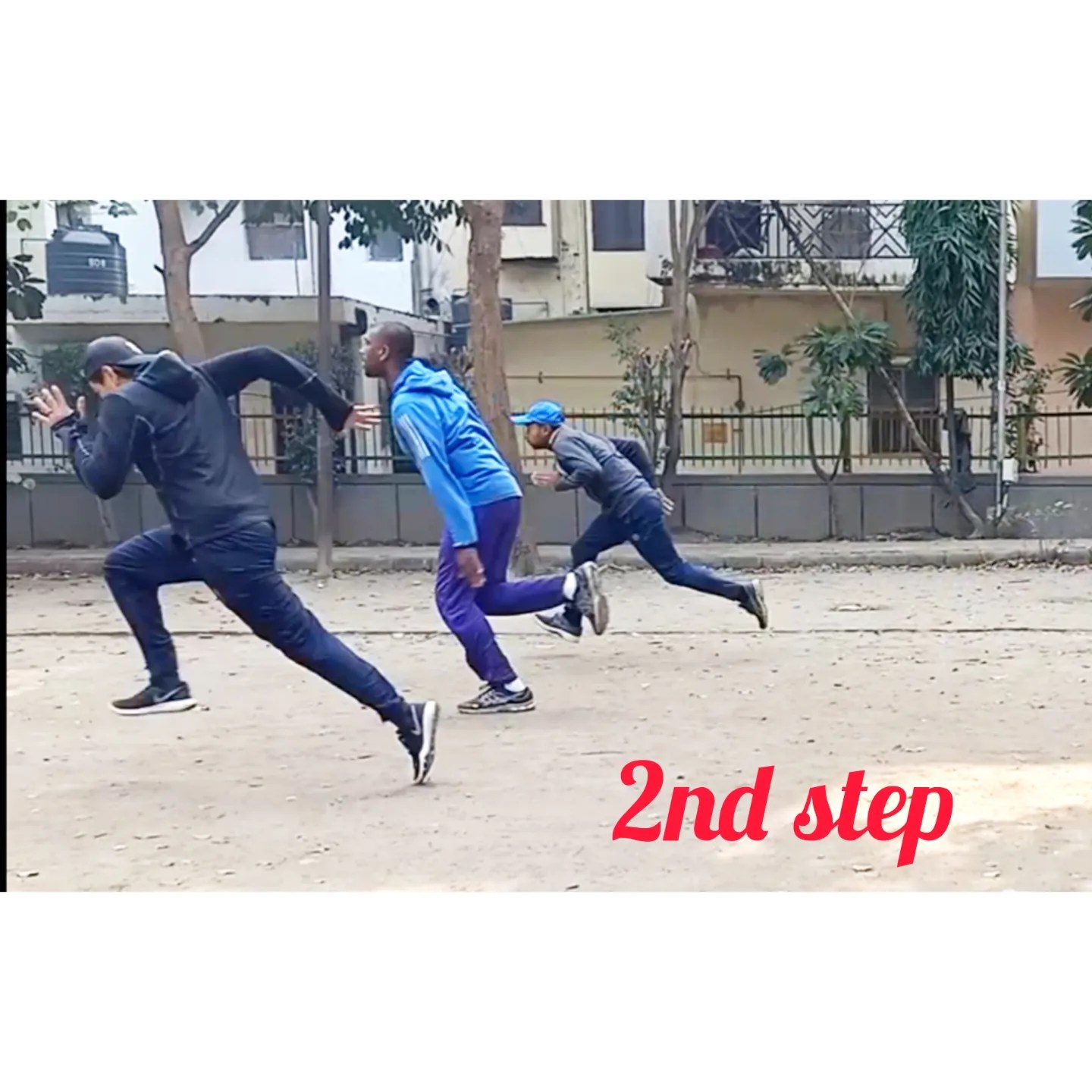
End result: a slow fielder stays slow all their career.
The combination of swift movement and speed defines a fast athlete. Therefore learning the art running before focusing on training speed is crucial. Our anatomy provides us with the advantage of utilizing our muscles in various ways, highlighting the significance of proper training methods because body has a capacity to learn what we give it.
By developing a strong foundation in running mechanics, we can optimize our athletic performance. This emphasizes the importance of training techniques that allow us to leverage our musculature effectively.
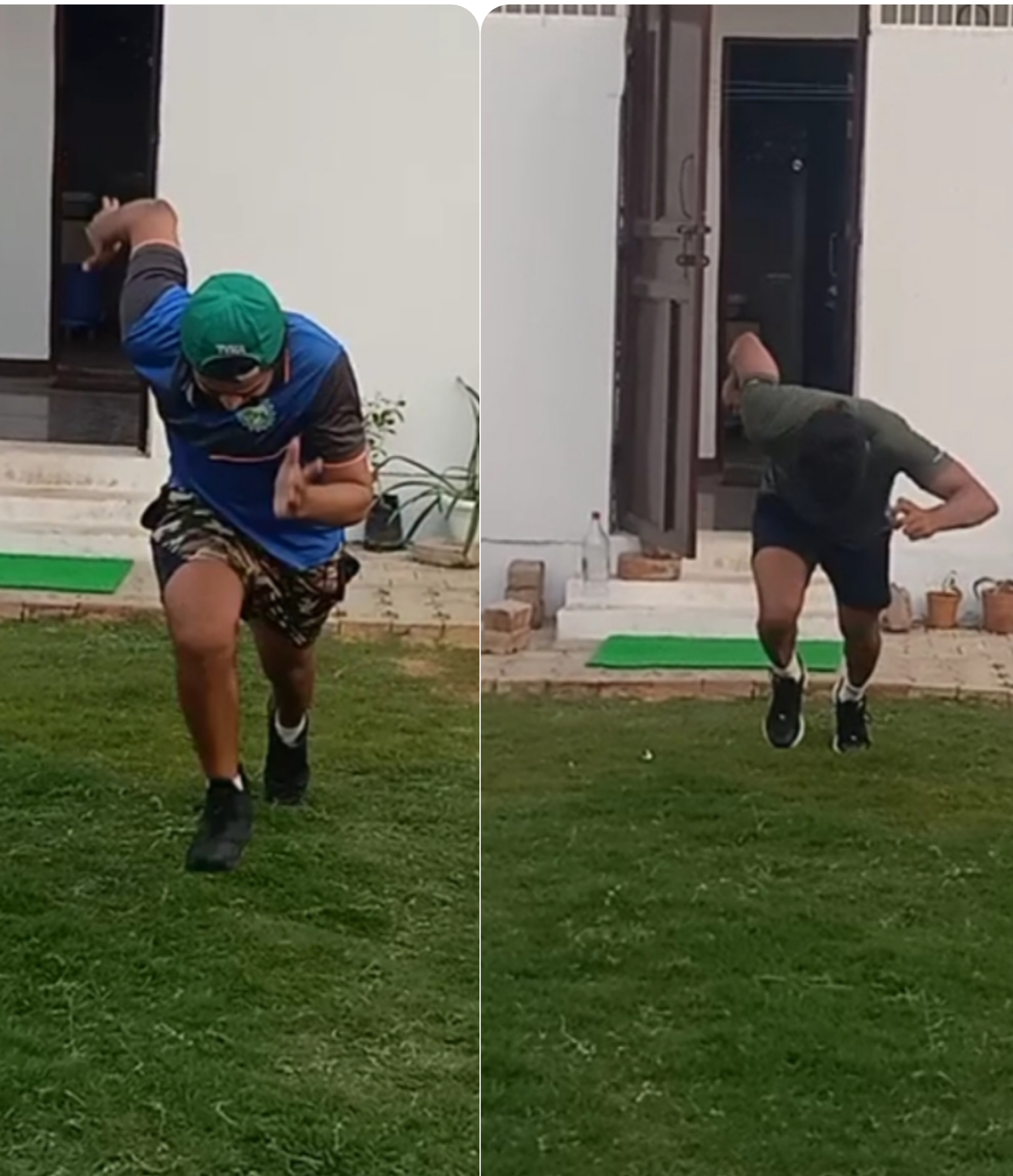
Let’s consider three scenarios as analogies:
- In the first scenario, I focused on training my spine, which improved my ability to generate power in my swing.
- In the second scenario, I concentrated on training my shoulders, resulting in an increase in power generated from my swing.
- In the third scenario, where I trained my entire musculature to work together harmoniously, that I achieved maximal power output (without compromising or overstressing any specific muscle).
The thrid being a comprehensive approach will not only help me stay injury-free but also allows me to play for longer durations and maintain accuracy and efficiency in my performance.
While the top two scenarios may appear as shortcuts that offer solutions, they are not optimal or sustainable in the long term. The last scenario provides the best overall outcome. The choice is yours to make.
 Umesh Chhikara