
Energy systems = Fat Oxidation I Anaerobic Glycolysis I Creatine phosphate (& stored ATP)
Let’s delve into this intricate science that may appear simple at first glance, but trust me, it’s far more complex than it seems based on my observations in the world of sports. The emphasis on protein or high-carb diets, the frequent consumption of energy drinks, and the prevailing belief on fat, all indicate that few have truly grasped its profound intricacies.
Ques: Which energy system do you think we use most in sports like Cricket, Baseball, Hockey, Badminton, Tennis, Kabbadi etc.?
Ans: ALL….
Ques: Which energy system is most important for above sports?
Ans: ALL…
Ques: HOW?

Good question….let us understand it:
Fat oxidation plays a crucial role in our daily activities, whether it’s on the field, court, or during any effort where you’re not pushing yourself to the absolute limit. Whether you can hold a conversation while doing something or you are huffing while completing a sentence teaches us on the enery system we are using. To help illustrate this concept, imagine your body as a car with four gears:
Gear 1: This represents the energy stored in your system, as well as the energy obtained from the food you’ve consumed before exercising. Think of it as the fuel in transit from the fuel tank to the engine.
Gear 2: In this gear, your body primarily relies on stored fat for energy during submaximal efforts throughout the day. It’s worth noting that there are ways to enhance this fat-burning process, which I’ll explain further.
Gear 3: This gear represents glycolysis, where glucose or carbohydrates serve as the primary fuel source. Your body stores glucose as muscle glycogen, and this energy system is engaged for short bursts of activity lasting minutes.
Gear 4: Here, you reach top speed, exerting maximal effort. This intense output relies on creatine phosphate, and unlike gear 3, it lasts only a few seconds.
“It’s important to note that my understanding was corrected by an expert who explained that the production of creatine phosphate occurs constantly as a byproduct of oxidative and glycolytic pathways.” Good to learn this.
When it comes to sports performance, imagine the car navigating through a bustling city like Delhi or Mumbai during peak office hours. It typically remains in first gear, occasionally shifting to second gear. There may be brief moments when it shifts to gears 3 and 4 to reach peak effort, but it quickly returns to gear 2 and remains there.
Exploring these energy systems and comprehending their interplay in various activities is truly captivating. It offers valuable insights into optimizing performance and provides a holistic perspective on the subject.
Ques: How do you think we can improve the performance of a car (assuming we can work on RPM and thereby improve ‘gears’ performance)?
Ans: By running the car in Gear 2 efficiently

Gear 2 = Fat oxidation (mitochondria health)
Ques: Do you think the boy in the picture may be using different energy systems by changing his action to biomehcanically efficient unit?
I think Yes.
A sprinter moves from Gear 1 to Gear 4 in few seconds but a marathon runner has to maintain a constant speed for a very long time and therefore stay on fat oxidation for maximum time. They inadvertently use all energy systems but their dependence is most on ‘Fat oxidation’.
Imagine this – our sprint speed where we are running in 4th Gear is actually Gear 2 for a marathon runner? And this is where any average runner will get exhausted (lactate threshold – muscles are unable to process the lactate produced as a by product of glycolytic pathway) in say 15 to 20 minutes; a marathon runner goes on with same speed for 2 hours plus. What makes them so efficient?

Their performance in the second gear is equivalent to someone else’s performance in the fourth gear. This remarkable achievement is made possible by the ability to drive the car at higher speeds and sustain it for longer periods in a lower/second gear.
Additionally, their remarkable capacity to utilize lactate, a byproduct of anaerobic metabolism, as a direct fuel source through the muscle cell’s cytoplasm (bypassing the slower process of the Cori cycle) is truly remarkable. When the byproduct of your fuel becomes fuel itself, you’re talking about a highly efficient and enduring machinery.
There is too much to talk about however I will try to keep it simple to help everybody understand this and drive home my point. Just how a gear’s capacity runs out when we increase speed; we shift our metabolism when energy (ATP) demand increases.
Scientific evidence suggests that it is indeed the energy demand that governs the activation of metabolic pathways, despite the interconnectedness and simultaneous functioning of these pathways.
IF we are training regularly (sportsmen) and eating our regular food then we do not have to worry about the fuel for ‘Gear 3’ or ‘Gear 4’ (from nutritional perspective) because we keep our glycogen stores full. We have a capacity to store glycogen so we don’t need to focus on the subject from nutritional perspective. Instead our focus should be more on maximising fat oxidation threshold.
In sports such as badminton, tennis, hockey, basketball, cricket, and baseball, it appears that individuals who have undergone effective training at the “Gear 2” level and have enhanced their mitochondrial capacity tend to rely more on fat as a fuel source rather than carbohydrates. It’s important to note that using more fat doesn’t necessarily require consuming more fat. Carbohydrates can also be converted into fat, and our body has an abundant supply of this fuel.

The key is in utilizing the energy optimally depending on how far you have to go – endurance.
Imagine being on the field all day, needing to perform at your best towards the end of the day. Now, consider who would have more energy to sustain their performance:
a) Someone who frequently shifts between Gear 2 and Gear 3 throughout the day, depleting their glycogen stores? Despite replenishing their glycogen stores, the constant switching between energy systems will deplete them faster.
or
b) Someone who has built the capacity to excel in Gear 2. They predominantly rely on fat oxidation for most of their activities, preserving glycogen stores for sudden bursts of energy and minimizing the need to frequently switch to glycolysis.
Just like you, my answer is also (b).
To provide an analogy, let’s consider two cars. One car can reach a maximum speed of 80 km/hour in 2nd gear, while the other car can only go up to 40 km/hour in 2nd gear. Which car do you think would accelerate faster in 3rd and 4th gear?

Q: What sparked my interest in this subject?
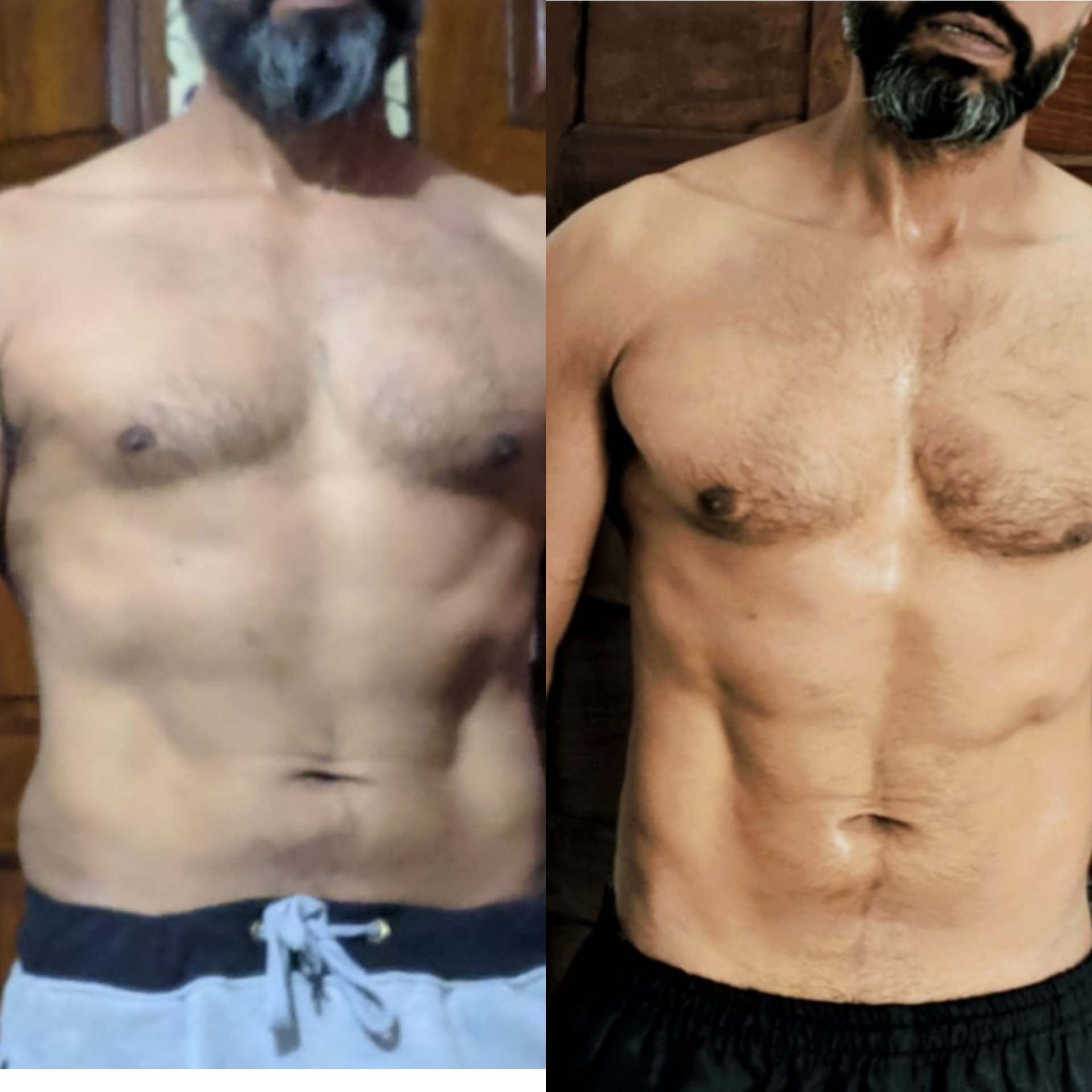
A: I became fascinated by the consistent weight loss of my players, despite indulging in abundant hotel buffets during various assignments. Whenever I observed their plates, I couldn’t help but wonder how they could consume so many calories and still experience weight loss. This curiosity led me to delve deeper into my training methods and understand how they enable my players to burn not only the calories they consume but also additional calories, resulting in a calorie deficit and subsequent weight loss. I approched the subject literally the other way out.

My conclusion:
I primarily focused on training my athletes to enhance their fat oxidation capacity (Gear 2). The activation of Gear 3 and Gear 4 energy systems occurs automatically, similar to how gears shift in an automatic car, as they exert more effort or engage in activities that require maximal output. These energy systems work simultaneously but with minimal load in comparison.
This approach contrasts with the training routines commonly seen in the gym, where athletes often emphasize the maximal utilization of Gear 3 and Gear 4 energy systems, relying less on fat oxidation. It’s interesting to note how the dynamics are reversed, even though all energy systems are engaged.
Considering these factors, I find it challenging to attribute the creation of a calorie deficit solely to a wholesome diet. Other training strategies that enhance fat oxidation and optimize energy system utilization likely play a significant role in achieving this calorie deficit.
Understand the difference because it is most important: When we train at the gym and lift weights…we are not making our performance in ‘Gear 2 – fat oxidation’ improve and instead, inadvertently, we work on ‘Gear 3 & 4’.
Example: The struggle of few cricketers to lose weight before or during the IPL can be attributed to the fact that if they are not effectively burning fat, weight loss becomes challenging. Despite the significant effort put into practice and training, losing weight can still be difficult. As I mentioned earlier, in sports, all energy systems are utilized. However, it is crucial to focus on improving fat oxidation and enhancing mitochondrial health to optimize the utilization of fats as a fuel source. This improvement can play a key role in facilitating weight loss among cricketers and athletes in general.
Ques: How do you lose weight?
Ans: When you lose fat 🙂

Q: Does that mean we don’t lose fat through weight training?
A: No, weight training can contribute to fat loss. However, to effectively lose fat through gym training, consistent heavy training is required to burn extra calories and create a calorie deficit. This approach is not always feasible in sports training, where the emphasis is often on the glycolytic energy systems (Gear 3 and Gear 4), resulting in minimal fat burning. Unless you know the art of doing resistance training on fat oxidation (gear 2); I think our cricketers will always struggle to lose weight. This is why you often hear about strict diets of some sportsmen who are keeping lean and fit. They are forced to shift on these diets to create calorie deficit.
Moreover, players often consume additional protein in the form of supplements, which can end up being converted into glucose or fat (or ends up in pee) since the extent of muscle damage caused by sports activities may not necessitate the extra protein intake. Ideally, if we want to lose weight, we should consider swapping calories when adding protein supplements unless the muscle damage is significant enough to warrant the consumption of all the ingested protein and calories from food.
For more clarity on the subject, you can refer to my article on “Protein.” Protein is undoubtedly beneficial, but it’s essential to understand how to make appropriate calorie swaps when aiming for weight loss.
Ques: What do we require to lose weight?
Ans:
a) Calorie deficit – in simple terms, your energy burn should be more than energy (food/calories) we eat.
b) Improving our fat oxidation – burning more calories – creating calorie deficit
So we need (b) to create (a) and hence the importance of fat oxidation.
In conclusion, for effective and sustainable weight loss, it is crucial to train in a manner that enhances fat oxidation while also catering to the specific demands of the sport one plays. Simply relying on diet for weight loss often leads to a cycle of losing and gaining weight repeatedly. However, by incorporating training methods that prioritize fat burning and improving fat oxidation, individuals can repair their metabolic machinery and minimize the likelihood of regaining lost weight. Once the metabolic engine is fine-tuned, there is no need to worry about weight fluctuations.
If there are any scientists or nutrition experts present, I welcome any questions or scientific input to further explore and enhance our understanding. My insights are based on personal experience and live case studies from five-month sports seasons, where I have strived to comprehend the science behind fat loss.
My aim here is to help players, coaches, and non-experts gain a better understanding of the enigma surrounding fat loss.
For non-sportsmen:
Our body can adapt to the stress imposed by physical activity over time, becoming more fuel efficient and potentially burning fewer calories as a result. This can lead to challenges in weight loss despite consistent exercise efforts.
To address this issue, it is important to introduce variety and change to your exercise routine. By altering the intensity, duration, and type of exercise, you can challenge your body and prevent it from adapting too efficiently. For example, incorporating intervals of higher intensity or resistance training can help increase the metabolic demand and promote the burning of fat as a fuel source. Likewise, brisk walk in between your standard walk increase the metabolic demand. So instead of walking or running with one pace; we should vary it. You can even stop, breathe, and stretch for a few minutes. Even this would be more demanding for your body than you standard walk.
This concept is known as metabolic flexibility, which refers to the body’s ability to switch between different fuel sources, such as glucose and fat, based on the demands placed upon it. By introducing new challenges and variations in your exercise routine, you can enhance your metabolic flexibility and encourage your body to utilize stored fat for energy.
The same principle applies to non-exercise activities as well. For individuals with sedentary jobs, making small changes such as frequently changing sitting postures, taking short stretching breaks, or incorporating brief walks throughout the day can have a similar effect on the body. These movements and postural changes create a need for energy and prevent the body from settling into a state of prolonged inactivity.
In summary, the key is to create a need for the body to adapt and transition between different energy sources. By challenging the system through varied exercises and incorporating movement throughout the day, you can promote metabolic flexibility and support weight loss efforts.
Here is another one for those who like it short and crisp:
Umesh Chhikara
 Umesh Chhikara