I consider myself both a researcher and a seeker, and as such, I begin my job with established and proven practices. I fully understand the reasoning behind these practices and have no intention of challenging them. In fact, I myself am a physically fit trainer, well-versed in both aerobic and anaerobic exercise, and I actively train at the gym. My goal is to minimize the occurrence of injuries among cricketers by studying the science behind the sport, rather than relying solely on the expertise of strength and conditioning trainers. Of course, players are free to seek advice from anyone they feel is best suited to help them achieve good health.
Having worked with footballers, hockey players, and other athletes, I have been struck by the high incidence of injuries suffered by cricketers in recent years. This is especially surprising given the nature of cricket as a sport and the amount of time that batsmen, bowlers, and fielders spend on the field during a match. However, with the current volume of cricket being played by many athletes, these considerations seem to be disregarded. Cricket is undoubtedly a game that demands skill, but its physical aspect also presents its own unique challenges due to the technicalities involved in batting, bowling, and fielding.
To illustrate, let me pose a question: If you had to choose between being Spiderman or the Hulk after studying every movement in cricket, which would you pick?
Personally, I would opt for (a) – Spiderman, any day. I don’t think having the power of (b) – the Hulk – is necessary because too much muscle mass could interfere with Spiderman-like abilities. Perhaps a full Spiderman with half a Hulk would strike the perfect balance! 😊
Given my background and experience, I have focused on studying lower back issues, exploring the various reasons that cause lower back pain, and finding the best possible solutions while considering one’s limitations. I have worked closely with several clients to rehabilitate their lower back issues. With my interest in cricket and proximity to cricketers, I delved deeper into the injuries that cricketers face, especially those related to hamstrings and lower back.
Although tight hamstrings are often an indication of lower back pain, this relationship is not always the case for sportsmen with strong glute max and lower back muscles like cricketers. Therefore, I am re-evaluating this relationship as it pertains to cricketers.
As part of my research, I also examined foot mechanics and how they affect walking and running, including how they can cause lower back pain. I experimented with various running footwear, and I eventually switched to the cheapest possible flat shoes. I recorded a video of myself running to demonstrate how this research has helped me improve my running form. During my research, I discovered something that particularly caught my attention – the excessive use of hamstrings in cases where the heel strikes the ground (which happens with cushioned shoes), and how it can change significantly when wearing flat shoes.
I provide this background so that you know that I not only have knowledge of anatomy and movement science, but I have also conducted research on running and lower back strength. Thus, what I am about to state is not mere theory, but rather, it is based on strong evidence.
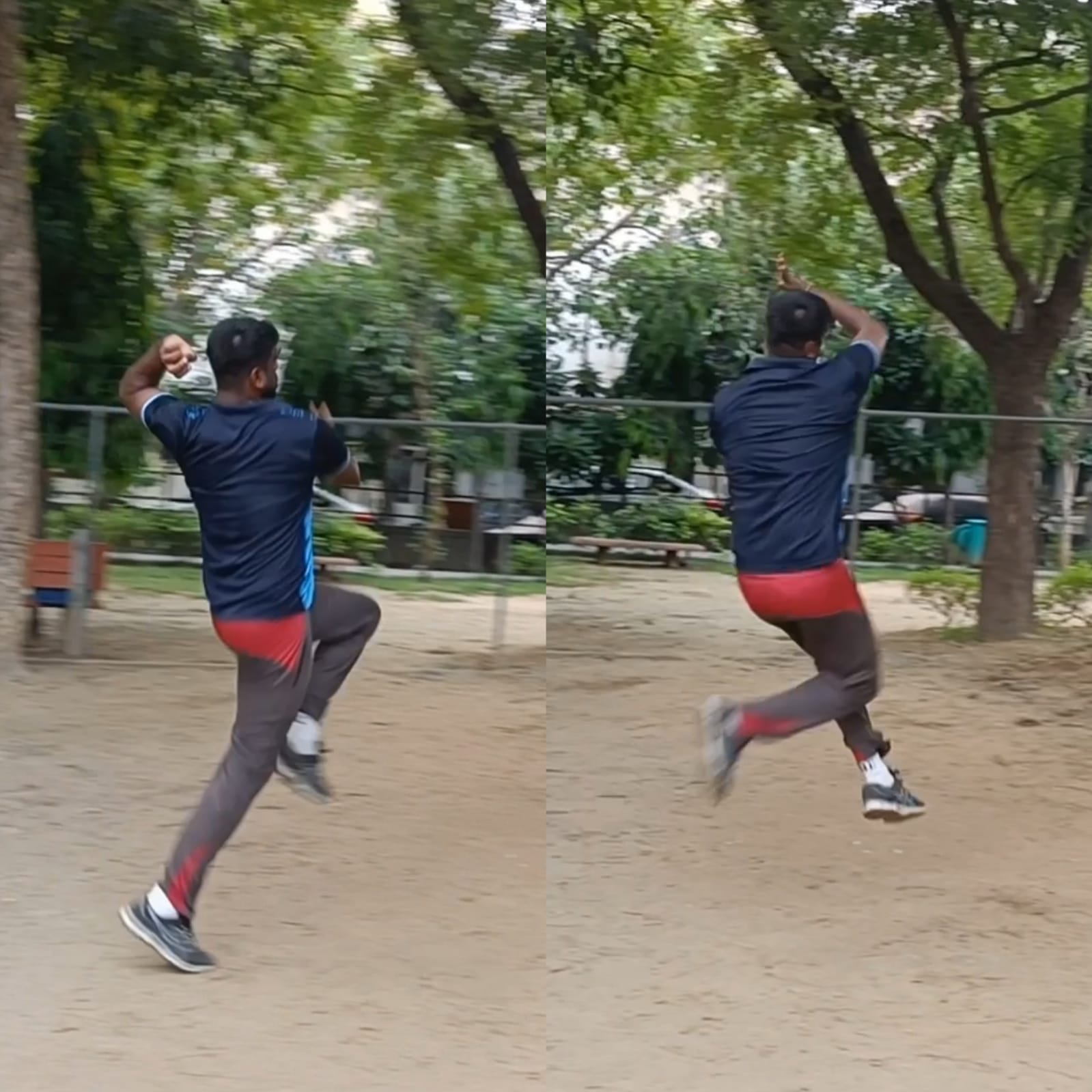
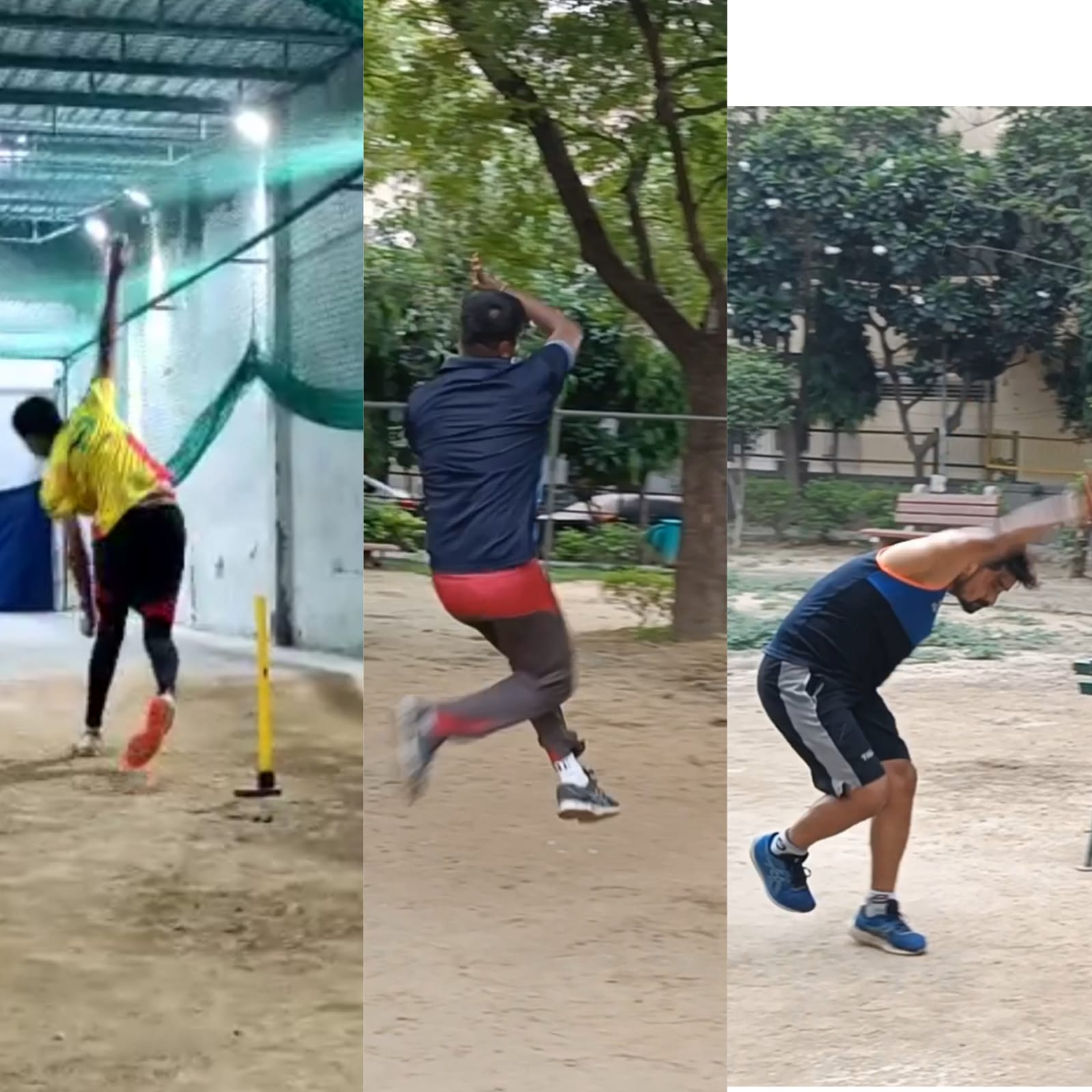
It is a fact that cricket players are required to wear shoes with spikes, and as a result, they have a tendency to land on their heels, known as heel strike, which can lead to overuse of the hamstrings.
In my quest to determine the potential impact of this on a player’s body, I delved deeper and listed my findings below:
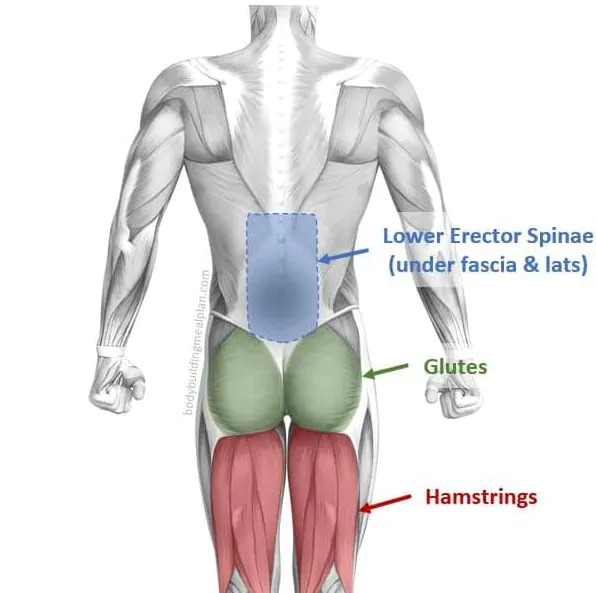
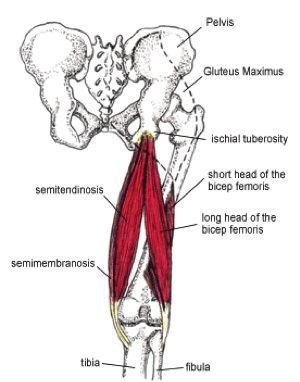
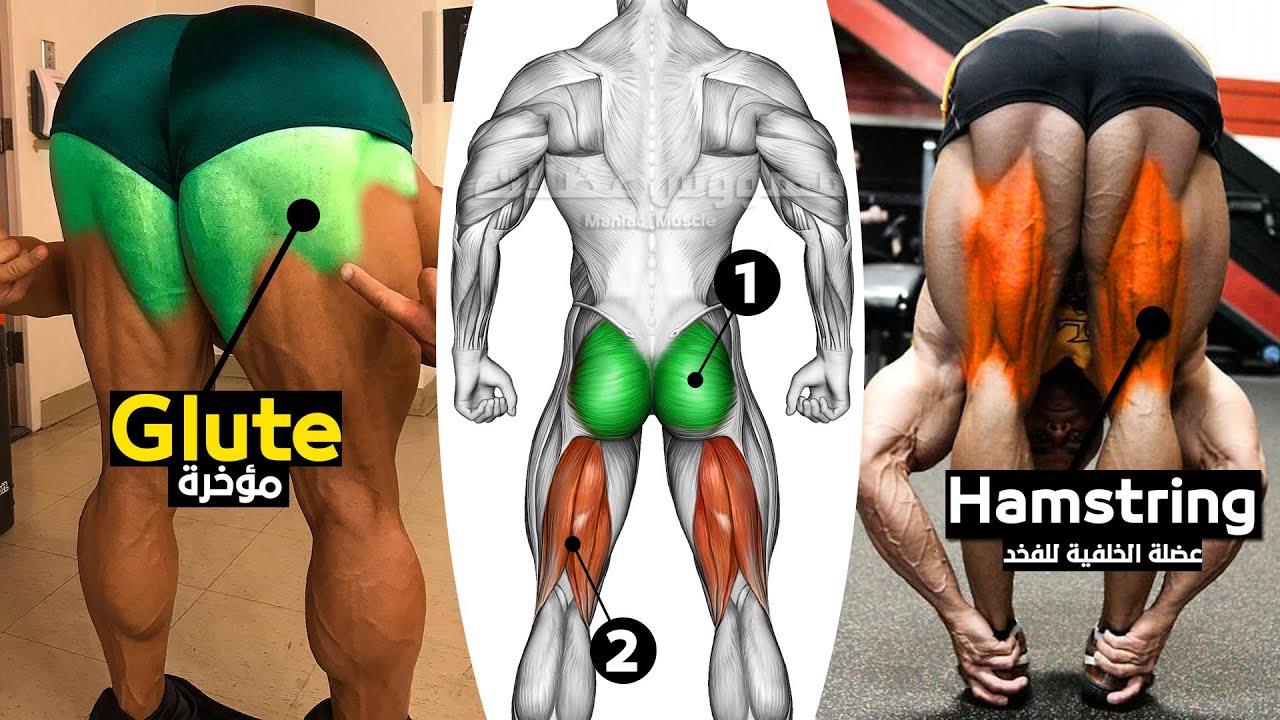
Hamstrings
Let’s look into science –
The main role of the Biceps Femoris, besides stabilization of the Sacroliac Joint and lateral aspect of lower extremity, is also –
eccentric control
and proprioception
during the swing and heel strike phases of the gait. (Cricketers are known to do both)
Outcome for cricketers – overactive Biceps Femoris
Biceps Femoris (most powerful muscle of DLS) also has a propensity toward over activity and becoming synergistically dominant for an inhibited POS (posterior oblique system) in
triple extension movements
and stance-to-push phase
Both movements are pretty common in cricket while batting, bowling and fielding.
Outcome for cricketers – another case of overactive Biceps Femoris
Hypothesis: Based on the previous explanations, it can be hypothesized that cricketers may have a tendency for overactive biceps femoris, which may lead to overuse of this muscle and the hamstring part of magnus. Additionally, inhibited POS may result in an inhibited Glute Max, which is a large muscle that requires heavy load to activate. As a result, during most hip extension movements, Bicep Femoris/hamstrings and possibly adductor magnus may end up being used more.
This could potentially mean that the glute max may not be able to fire to its potential during activities such as running, jumping, or squatting in cricket due to the overactive biceps femoris group. Furthermore, an inhibited glute max may give synergistic dominance to piriformis and deep rotators for external rotation of the hip. These hypotheses are based on scientific interpretations and should be further explored through research and testing.
What are your thoughts on this? Do you think these hypotheses hold merit based on the available scientific evidence?
My second hypothesis pertains to the potential relationship between overactive biceps femoris and underactive glute max muscles in cricket players, and how it may lead to lower back pain. It would be interesting to investigate how many players experience both hamstring and lower back injuries and whether hamstring injury is a potential precursor to lower back pain.
The situation is as follows:
Overactive Biceps Femoris
Underactive Glute Max
The glute max muscles are attached to several structures, including the posterolateral sacrum, thoracolumbar fascia, aponeurosis of erector spinae, posterior ilium, and iliac crest. The fibers that originate from the thoracolumbar fascia and erector spinae aponeurosis allow glute max to perform the following actions, which are crucial in cricket:
Assist in closed chain lumbar extension
Generate a posterior rotary force on the ilium
Produce lumbar extension
Stabilize the lumbar spine
Q. If the glute max is inhibited, would it not be able to assist in the above actions as a synergist, potentially leading to overwork of the erector spinae muscles (lower back)?
Q. Would inhibited glute max and overactive biceps femoris increase the likelihood of overactive erector spinae muscles, leading to back pain in cricketers?
Although there are other factors contributing to lower back pain, it is important to explore the potential relationship between inhibited glute max and overactive biceps femoris, which may affect the functioning of the DLS and POS subsystems. Regardless of the size of the glute muscles, they may not function appropriately if synergistic muscles are not functioning to their full potential.
Q. Considering the frequency of cricket games, are cricketers overusing the abovementioned muscles? If so, this may result in an imbalance of overactive and underactive muscle groups.
Potential solutions to address these issues could include exercises to strengthen the glute max muscles and improve their activation during cricket-related movements, as well as addressing any potential muscle imbalances through appropriate training and corrective exercises.
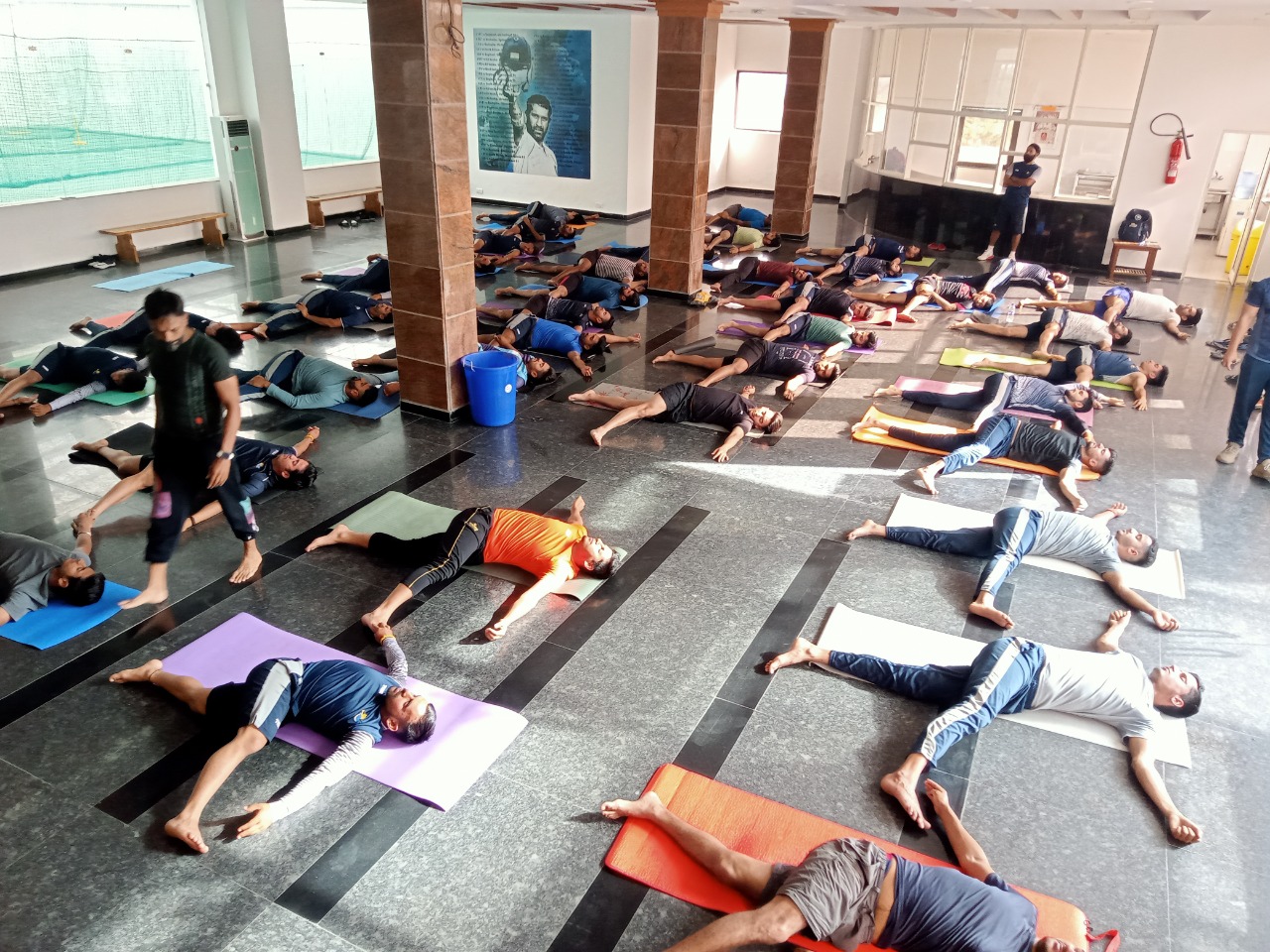
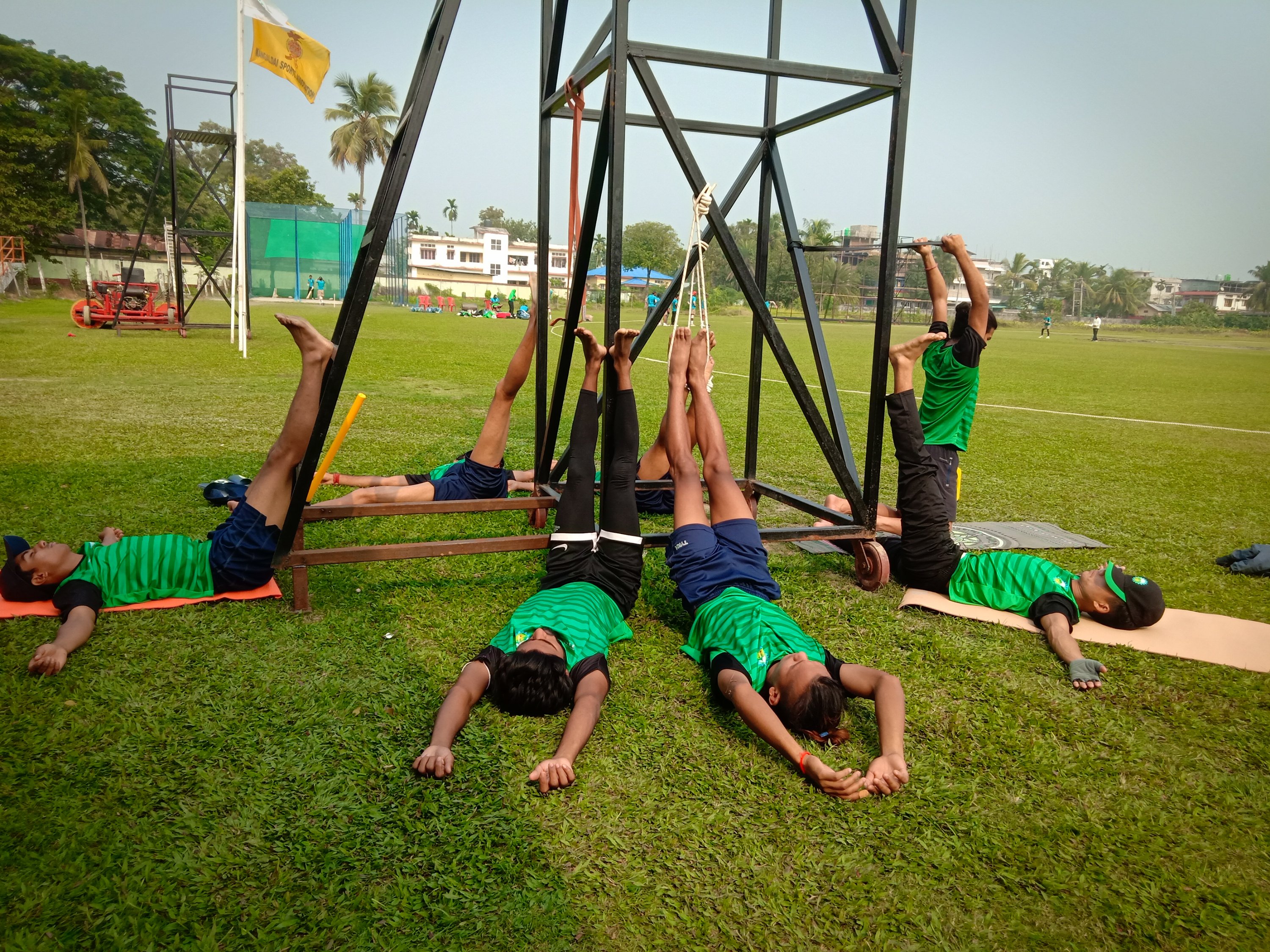
Step 1: In my opinion, it’s not possible to immediately strengthen any overactive or underactive muscle group. Therefore, the first step should be to release and lengthen the biceps femoris while focusing on isolated activation of the glute max.
In my experience, heavy load deadlifts or squats are not the solution to these issues, at least not until Step 1 is completed. I would love to be proven wrong, but unfortunately, I don’t often see players prioritizing Step 1. This is particularly intriguing to me when I see cricketers hitting the gym immediately after a match or during a tight schedule. My question for the cricket community is: when are we releasing, lengthening, or activating these muscles?
Furthermore, releasing, lengthening, or activating these muscles may sound simple, but it can be challenging to do so while regularly practicing and playing the sport almost every day throughout the year.
Question: Can releasing and lengthening of hamstrings and activation of glute max and lower back be done simultaneously during matches/tours?
Answer: In my opinion, it’s not feasible to do so. Releasing and lengthening of hamstrings alone is a challenging task, especially when they are overactive. Therefore, isolated work on each of these muscles is necessary. Additionally, the glute max has a complex relationship with the lower back through the thoracolumbar fascia. Hence, isolated activation of the glute max and lower back almost simultaneously is also needed.
Even squats with a wide stance may not fall under Step 1 for glute max as it would still involve and affect the lower back. However, if we focus on activation rather than overloading to strengthen, it might not be the case.
Regarding whether Step 1 provides strength to cricketers, it may do so indirectly by addressing muscle imbalances. As for whether cricketers need strength training during a season, it depends on their individual needs and goals. However, finding time for weight training during the season may be challenging considering the above factors.
It’s essential to note that the author is not against strength training but questioning its timing and type, and whether there is enough time for weight training during the season or only during the off-season.
Excited for you to come to the United States and share your research and knowledge with my group. We are looking forward to giving you a platform in which we can incorporate your training process .



 Umesh Chhikara
Excited for you to come to the United States and share your research and knowledge with my group. We are looking forward to giving you a platform in which we can incorporate your training process .