
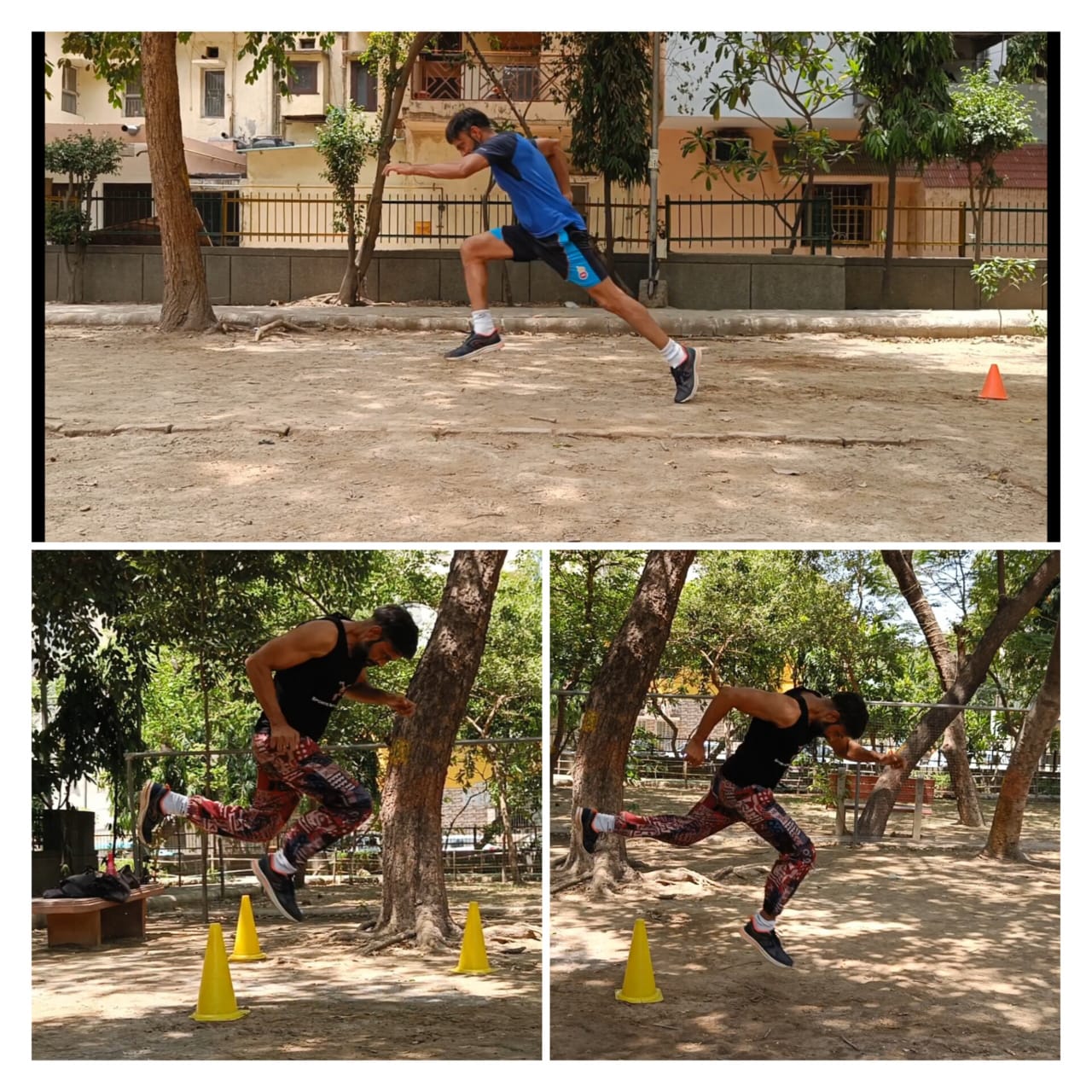
In light of recent discussions, I’d like to delve deeper into why some athletes struggle with weight management, fatigue, and performance despite rigorous training and proper nutrition.
For context, refer to this post: https://www.linkedin.com/feed/update/urn:li:activity:7210197889094942720/
Questions to Consider and that shall be answered in this article:
- Why do some players remain overweight despite good eating habits and training?
- Why do certain players appear exhausted after running short distances or sprints?
- Why is dieting ineffective for these players?
- Why do we see otherwise lean and well-trained bowlers gasping for breath during their overs?
For instance, during the IPL, a renowned bowler collapsed twice in a single over despite having just started after a break. Its like saying a marathon runner twisted his ankle while taking a walk in the park! Not only was he falling, but he also couldn’t catch his breath after a few deliveries. What’s happening here? Astonishingly, the cricket world overlooks this, and no one questions it. What is the purpose of fitness if it doesn’t translate to doing your basic work? This bowler trains diligently but unfortunately focuses on weightlifting and warms up with resistance bands and foam rollers. He did not understand me when I tried because something else is been fed into this mind.
Note: Its more serious then people understand it. If you have a compromised mitochondrial health at such a young age then be rest assured, you will have problems growing older.
Key Insights on Training, Fat Loss, and Recovery:
Through my case studies with teams and individuals, I have documented significant fat loss and improved recovery tied directly to the type of training undertaken. Here’s an analogy to illustrate this point:
When people climb to my rooftop (4th floor), their recovery times vary. Some are breathless, some huff and take several minutes to recover, while a few quickly return to normal breathing. These observations reveal the following about mitochondrial health:

- Severely Breathless Individuals: These individuals exhibit poor mitochondrial health, burn minimal fat, and rely heavily on glucose. This group is often overweight but can include lean individuals.
- Huffing Individuals with Slow Recovery: Similar to the first group but slightly better, these individuals also have poor mitochondrial health.
- Moderate Recovery Time: Those who take a few quick breaths but recover within a minute or two have decent mitochondrial health.
- Quick Recovery: Individuals, often athletes, who can speak immediately after reaching the top exhibit good mitochondrial health, confirmed during field training.
The Underlying Issues:
Athletes with poor mitochondrial health burn more glucose throughout the day, leading to increased lactate accumulation, resulting in fatigue and slower recovery. For optimal health and performance, especially for athletes, it is crucial to focus on:
- Good Mitochondrial Health: Ensures efficient fat utilization, less lactate production, reduced fatigue, quicker recovery, and numerous health benefits.
- Lactate Clearance Capacity: The fastest pathway for lactate clearance is converting it to ATP in the mitochondria.

Research Insight: Metabolic Flexibility
Improving metabolic flexibility through targeted training can significantly enhance overall health, including musculoskeletal health. Both energy systems work simultaneously, but effort determines which is dominant. Everything culminates in the mitochondria, highlighting its importance.
a) Enhancing lactate clearance capacity automatically improves mitochondrial health.
b) Improving mitochondrial health alone isn’t sufficient; training for lactate clearance is essential for optimal health, particularly for athletes.
Conclusion:
Achieving metabolic flexibility through targeted training can vastly improve overall health and athletic performance. I have consistently applied this training approach with remarkable results, keeping teams injury-free and enhancing the health of participants in various settings. In fact, almost all my rehab clients lose weight during rehab.
Despite the industry’s slow recognition of mitochondrial importance, observing the recovery process remains the best measure of training effectiveness. Athletes under my guidance report not feeling the strain, initially worrying about “no load, no gain.” This feedback is the highest compliment, as it indicates superior training outcomes.
Lets apply this to Cricket:
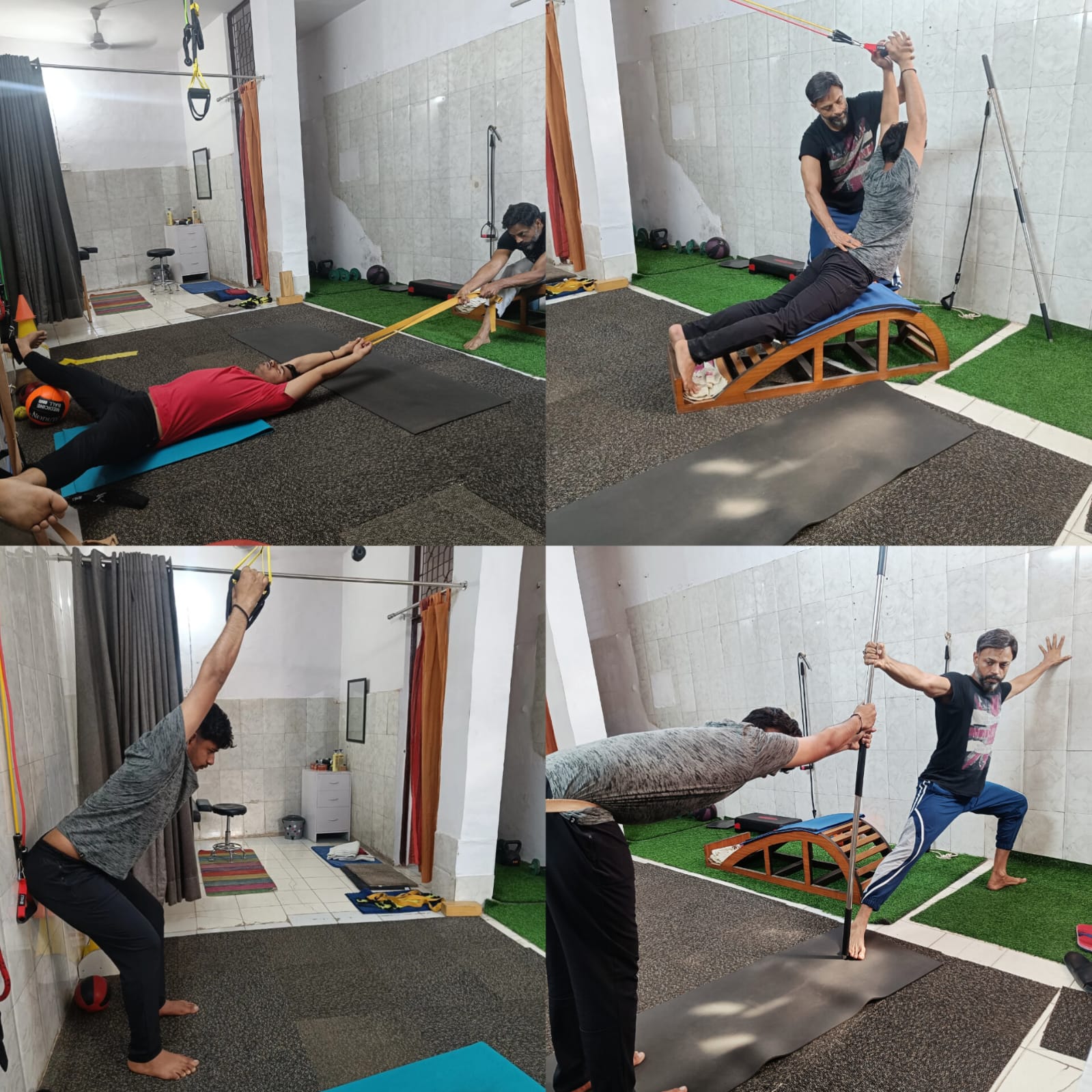
Players are often misled to believe that strength loss occurs during play and needs recovery through weight training. By this logic a marathon runner must lift weights after a run because he may have exhausted his strength while running. Funny I know but this is how cricket world thinks. This misconception results in:
a) Misapplied muscle strength that doesn’t transfer to performance. Evidence shows that bowlers with well-built physiques often bowl at medium pace.
b) Compromised metabolic flexibility over time, leading to fatigue, slow recovery, and diminished performance. Players going out of breath and unable to recover after two back to back runs or sprints are best examples of this.
c) Genetics and diet play crucial roles in maintaining weight. Western athletes’ lean physiques are not solely due to their training regimens. Sub-continent trainers mislead into believing that it is their resistance training regime that keeps them lean and fit. If that’s the case then why do we see over-weight players in all sub-continent teams? Not one, two, many! Not just over weight, over weight most of their career!! Why?
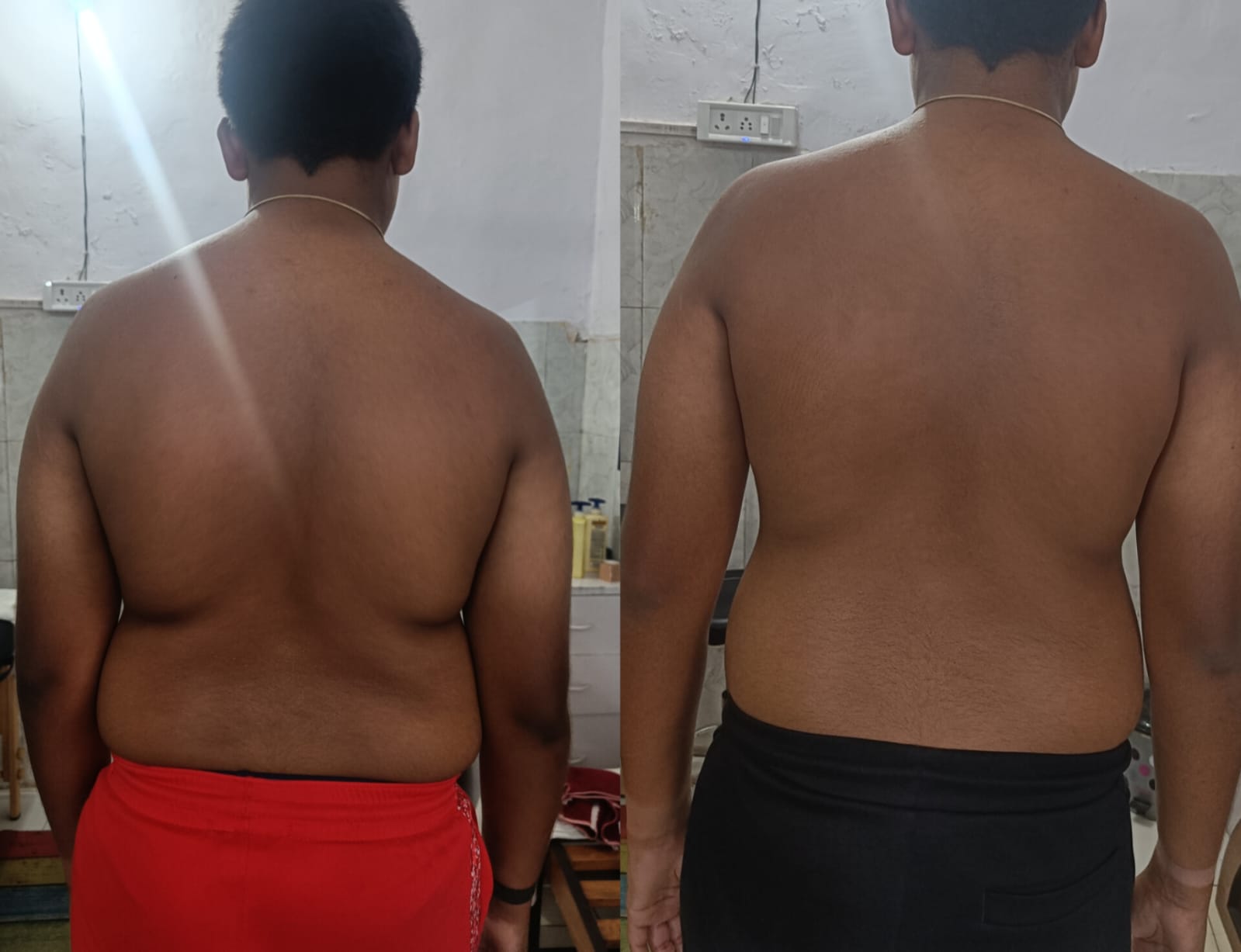
Irony: It’s ironical how I have caused weight loss in 5 days without touching a highly talented golfer’s diet while international cricket players are struggling to lose weight at the highest level for years.
reference: https://umeshchhikara.com/2024/04/18/5-days-fat-loss-study-shocking/
Why? Because we are not understanding what causes weight loss.
Call to Experts:
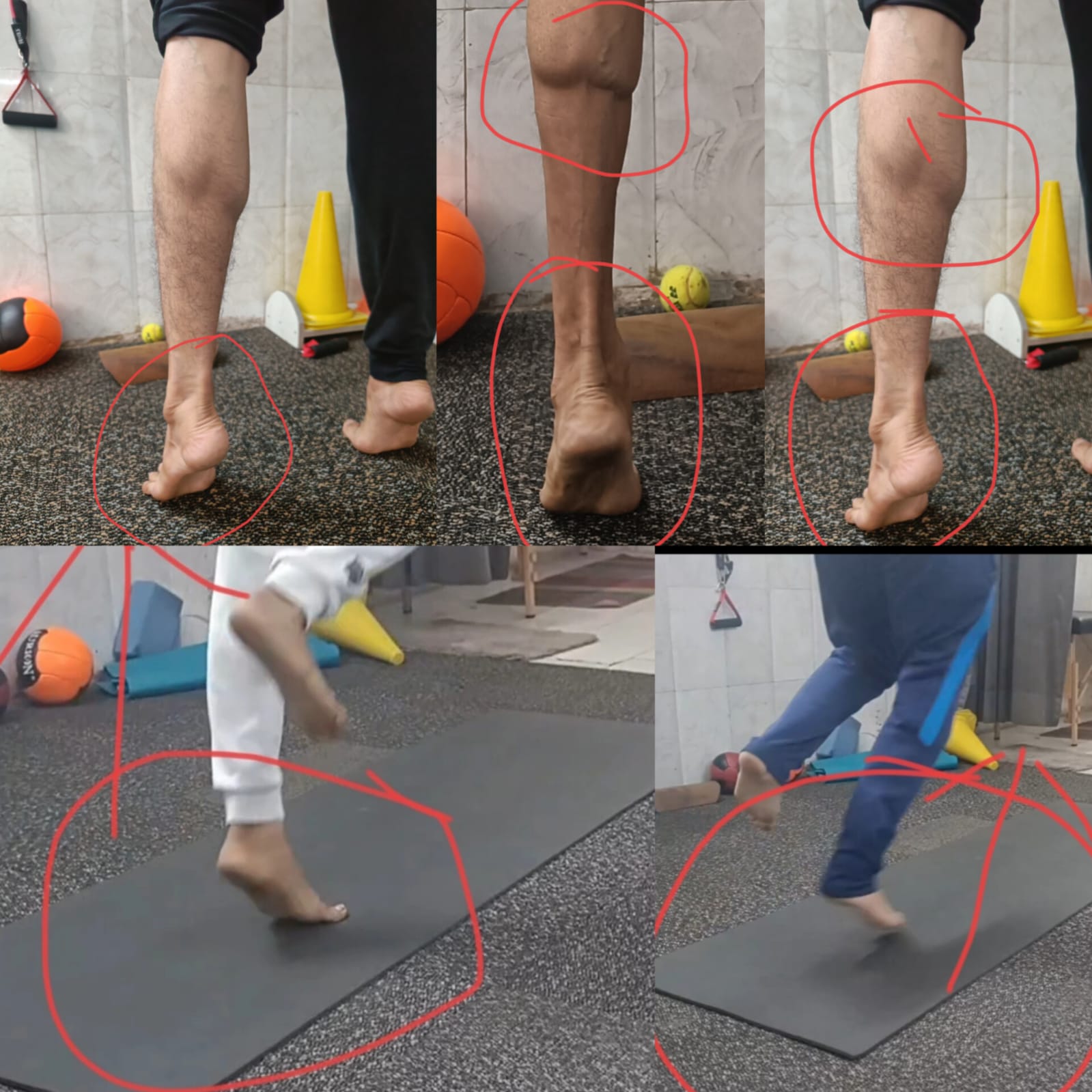
Why do players break down if their training is effective?
Is the training aimed at enduring one over?
Has bowling suddenly become more injury-prone?
Ten years ago, I thought my views were ahead of time, often misunderstood as opposition to strength training in the cricket world. Today, in 2024, the industry must understand these principles. My track record of zero injuries over my entire career speaks volumes, yet remains unacknowledged. What is shown by researches today is already spoken about in my articles years back.
The cricket world will eventually recognize the validity of my approach, as science cannot be ignored indefinitely. In the meantime, I will continue with my karma….
#MitochondrialHealth #Lactate
Check my Instagram – how I train cricketers and what has provided me with exceptional results
https://www.instagram.com/umeshchhikara?igsh=cTlvYzV0dWE5ZHg1
If you have read the full article then this will definitely catch your attention. Read how much I emphasise on recovery in the below article:
Baseball pitching Vs Fast bolwing – an assessment!
PS: Adding this later from a comment on Linkedin to clarify lactate aid in recovery. Yes. Our body senses lactate as a signal of stress and secretes growth hormone (GH) to aid in adaptation and recovery. This is not an instant recovery, it works well for an average person. In sports where the intensity may be constantly high, our capacity to clear lactate can help us not only go longer but also go harder, since the fuel is available right there. Lactate clearling capacity do not mean that we are not left with any lactate in the system in the end. One has to give in at some point.
And the complete lactate clearance is not always possible during continuous high-intensity efforts, and fatigue will eventually set in. So yes…lactate does contribute to recovery via GH
For more insights, check out my podcast:
 Umesh Chhikara