
#rotatorcuff #shoulder #scapula #biomechanics
As a challenge for study purposes, can you find someone who can perform LAT pull-ups biomechanically correctly but who has also suffered a rotator cuff or even a shoulder injury? Let me help you understand why I think the chances are very low for such a person to get a shoulder injury.
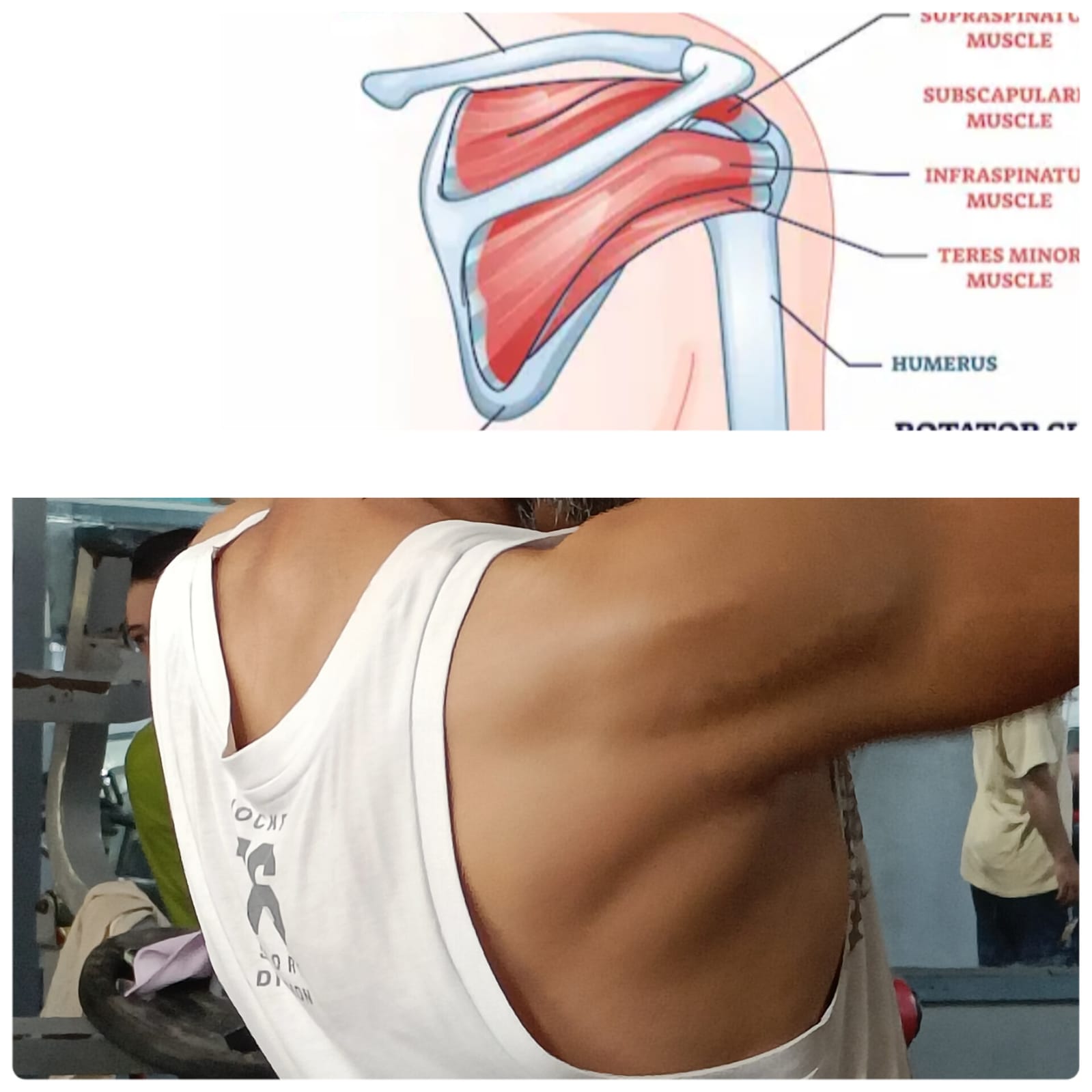
It’s quite common to hear about injuries to the rotator cuff, shoulder, or elbow in sports. Among these, I am intrigued by rotator cuff injuries. What causes injury to these robust stabilizers?
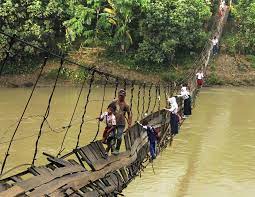
To draw an analogy, visualise a suspension bridge with hanging ropes securely attached to maintain its balance. Now, picture a scenario where, out of, let’s say, four ropes (two on each side), one gets damaged, pulled excessively, or loses its grip due to various factors. The impact on the bridge would be similar to what happens in your shoulder joint or even your spine if any of the surrounding structures fail to function optimally.
Why?
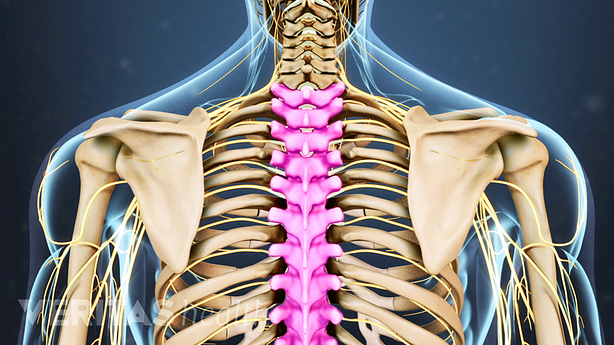
The scapula is suspended like a suspension bridge in our upper body, held in equilibrium by the surrounding musculature.
The second complexity arises because of the nature of our shoulder’s movements, as it’s a ball-and-socket joint. Unlike the hip joint, the shoulder joint engages in motions across all planes. Consequently, just as a suspension bridge can experience uneven loading, movement, and stress on one side or section, our shoulder joint can undergo stress in multiple ways because of the musculature it attaches to.
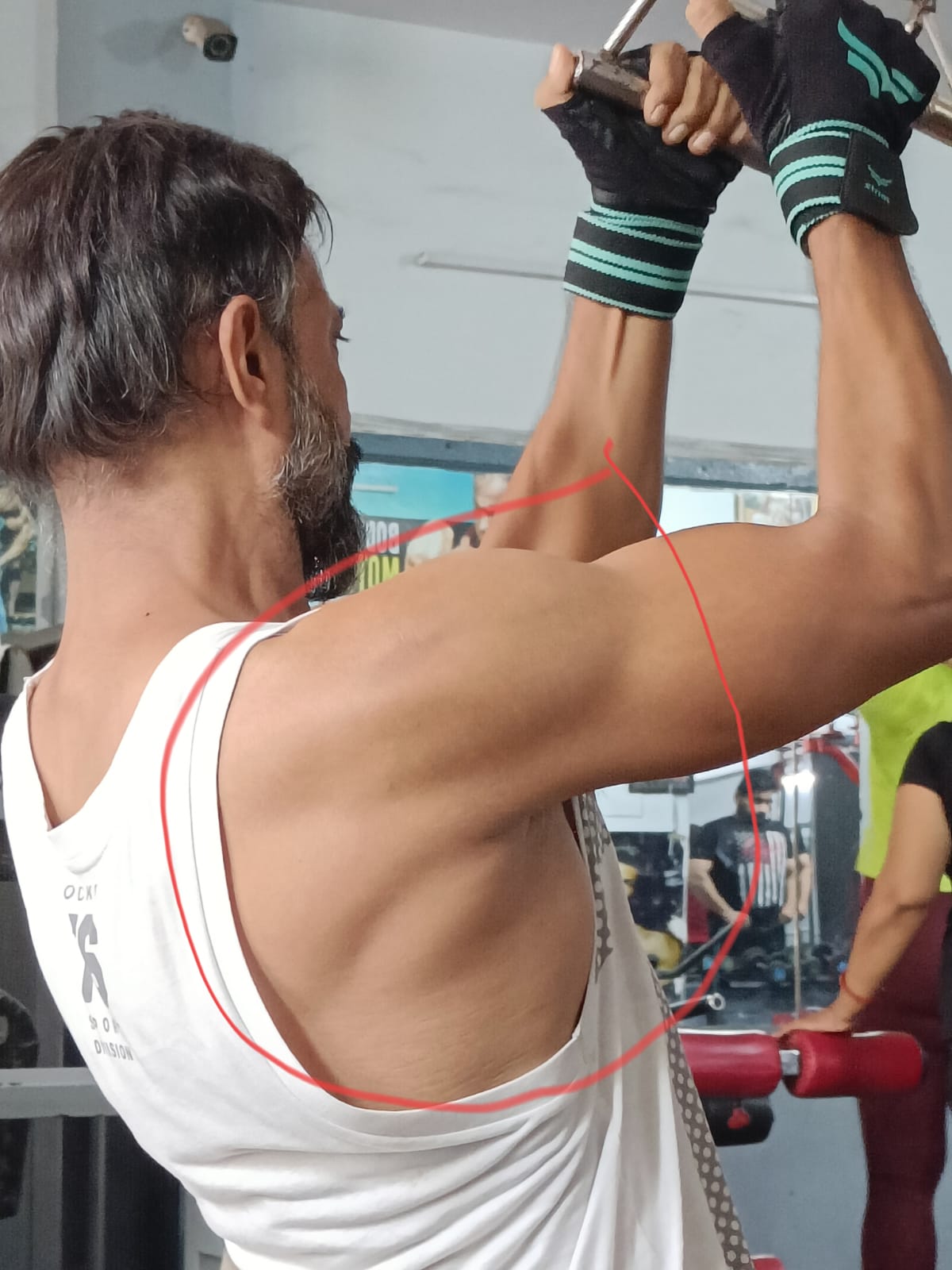
For instance, if you observe someone performing a LAT pulldown or, more specifically, LAT pull-ups, you’ll notice that many individuals end up unintentionally straining their deltoid muscles instead of effectively engaging the LAT muscles.
While individual muscles have different functions, the upper back muscles is deeply integrated from a movement perspective. The problems arise when muscles lose their grip on the joint.
Example: when synergistic muscles (in the case of rotator cuff) begin to lose their ability to provide support, much like a rope on a suspension bridge losing its strength to hold, this can affect different muscle groups, disrupting joint movements even distally – elbow joint.
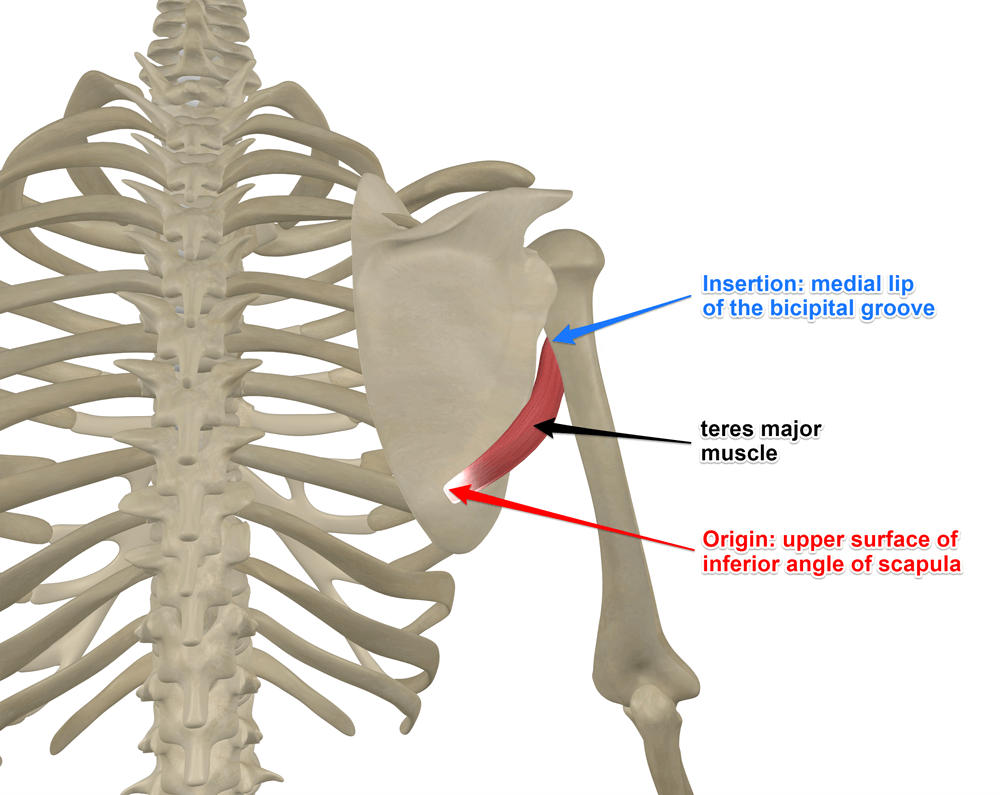
Understanding these structural nuances of the scapula is crucial for delving deeper into the realm of rotator cuff injuries. What becomes apparent from the images is the intricate relationship between the rotator cuff muscles and the shoulder, highlighting their integral role in shoulder movement. This implies that any shoulder movement directly impacts the well-being of the rotator cuff muscles. In cases of forceful movements, the robustness of the rotator cuff musculature becomes highly dependent on the angle of tension (mechanical strain) generated by these muscles on the shoulder joint.
A closer look of the scapular spine in the images reveals that both the deltoid (on top) and the teres major (also LAT muscle) can significantly contribute to scapular stabilization. While the primary role of the rotator cuff muscles is to maintain the connection between the scapula and the shoulder joint, in my opinion, they also possess the capacity to generate considerable power within the shoulder. How?
Think this: if the rotator cuff holds onto its position firmly, then that allows the surrounding musculature—the deltoid, trapz, rhamboids, teres major/LAT to generate maximum power from the action because the foundation is firm. Works the same for anterior.
It’s essential to remember that the scapula is anatomically linked to the thoracic and cervical spine inferiorly and therefore plays a pivotal role in the overall functioning of the upper back. In conclusion, the biomechanics of the shoulder joint emerge as a critical factor in understanding and addressing rotator cuff injuries or for that matter any injury in the region including labrum tears.
 Umesh Chhikara