
#cricket #fastbowling #fitness #squats #hamstringinjuries
Ques: Why cricketers get hamstring injuries?
Let us try to understand it via this video
Ques: What does it mean to bring fluency or effortlessness in movement, and why is it important?
Bringing fluency or effortlessness in movement refers to the smooth, coordinated, and efficient execution of physical actions. It involves performing movements with ease, grace, and minimilistic effort. This quality of movement is important for several reasons:
- Injury Prevention: Ou effortless movements help reduce the risk of injuries. When movements are executed with proper form, alignment, and control, the body is better able to absorb and distribute forces, minimizing strain on joints, muscles, and other tissues.
- Energy Conservation: Effortless movement allows us to conserve energy during physical activities. When movements are executed efficiently, unnecessary tension and muscular effort are reduced, enabling us to perform tasks with less fatigue and greater stamina. #energy efficient
- Performance Enhancement: Fluent and efficient movements effect performance in various physical endeavors. By optimizing biomechanics and minimizing energy wastage, individuals can generate more power, speed, and precision in their actions without much fatigue and quick recovery.
- Functional Movement: Fluent movement patterns closely align with the natural mechanics and capabilities of the human body. By practicing and honing these movement patterns, we can enhance our functional capacity, making everyday tasks easier and more efficient.
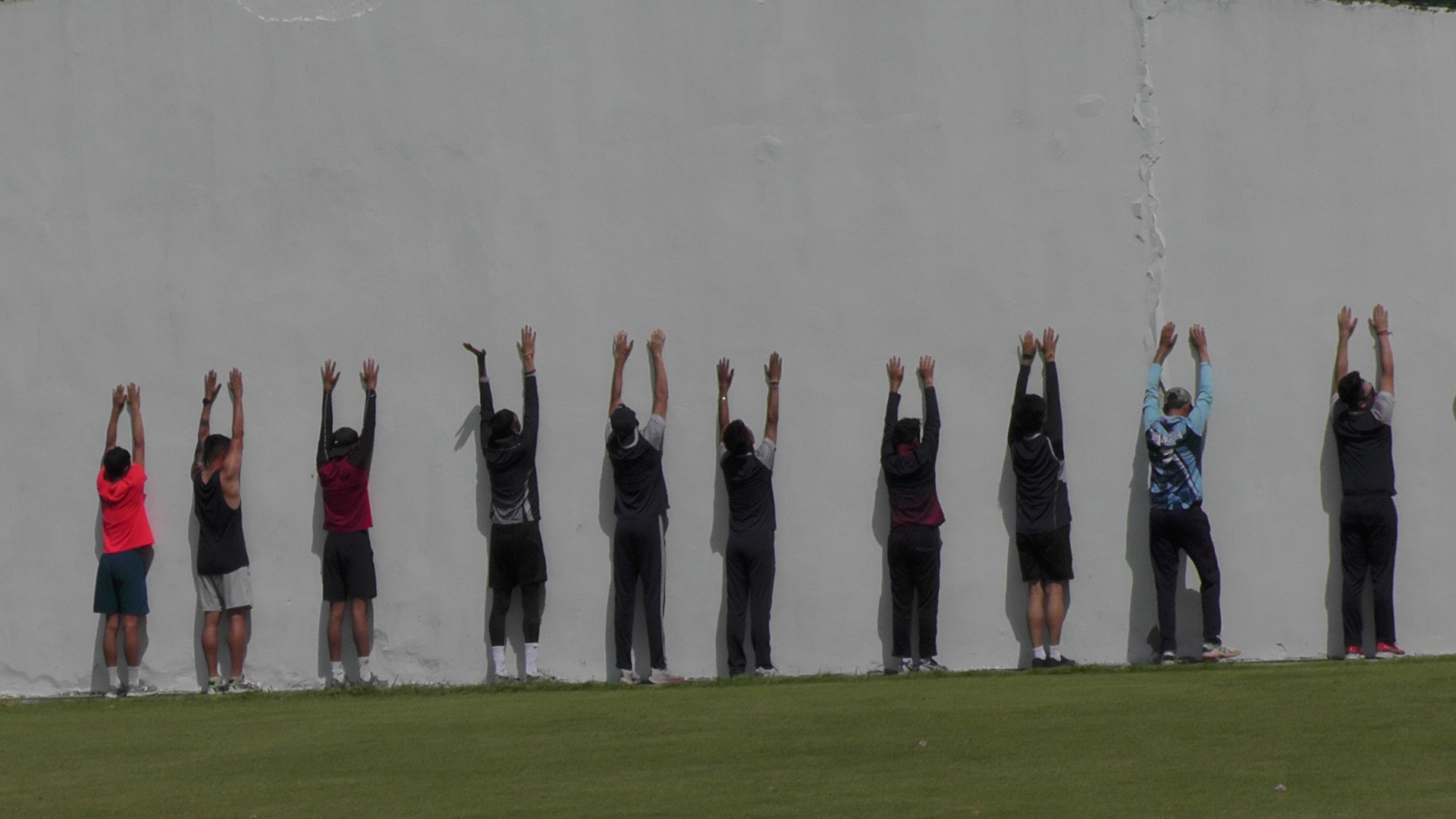
In the field of human movement science, a perfect movement is defined as one that aligns with the correct biomechanical principles. It encompasses the precise alignment, coordination, and activation of body segments and muscles, as well as the effective generation and transfer of forces via the whole musculoskeletal system. A perfect movement optimizes performance while minimizing the risk of injury or excessive stress on the body. As you can see varied alignments in simply standing straight, you can imagine how it would be in real time sporting movements.
Human movement science evaluates movement perfection by considering various factors. These include the angles at which joints are positioned during movement, livers, the patterns of muscle activation and engagement, the sequential order of movement execution, and the balance.
Please note that while striving for perfect movement is desirable, it is essential to recognize that movement perfection can vary depending on the context and individual structural differences. The goal is to achieve optimal movement patterns that enhance performance, reduce the likelihood of injury, and support overall physical well-being. It may then well be with compromised mechanics at a certain joint.
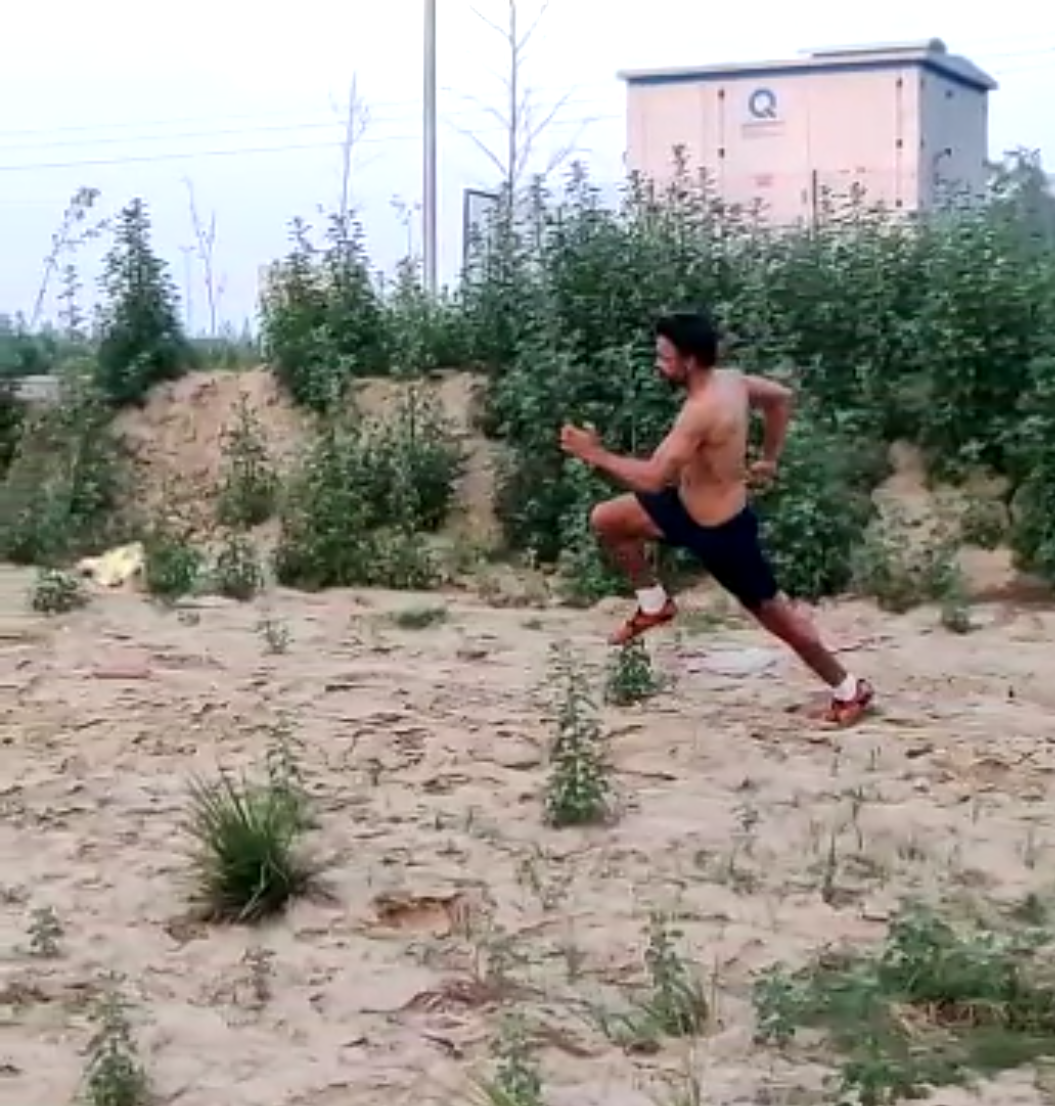
Ques: Why is it crucial to ensure movements are swift, fluent, energy-efficient, and ultimately powerful?
When movements become swift, fluent, energy-efficient, and powerful, it assists a player in several areas:
Performance Optimization: Swift and powerful movements are vital in various sports, athletic activities, and physical performances. The ability to generate speed, agility, and explosive power significantly impacts performance outcomes.
Injury Prevention: Fluid and energy-efficient movements help minimize the risk of injuries. When movements are well-coordinated, balanced, and executed with optimal biomechanics, unnecessary stress on joints, muscles, and connective tissues is reduced. This lowers the likelihood of strains, sprains, and overuse injuries.
Endurance and Stamina: Energy-efficient movements allow individuals to sustain physical activities for longer durations without excessive fatigue. By conserving energy and minimizing wasteful efforts, one can enhance their endurance and stamina. This leads to improved performance in endurance-based activities.
Longevity and Joint Health: Fluid, efficient movements promote joint health and longevity. By moving with proper alignment and minimizing compensatory movements, individuals can reduce wear and tear on their joints. This helps preserve their overall joint health and function over time. Every muscle functioning to its potential inadvertently keeps energy systems in check which further are the backbone of human health.
In summary, ensuring swift, fluent, energy-efficient, and powerful movements benefits performance, reduces the risk of injuries, enhances endurance, and promotes long-term joint health.
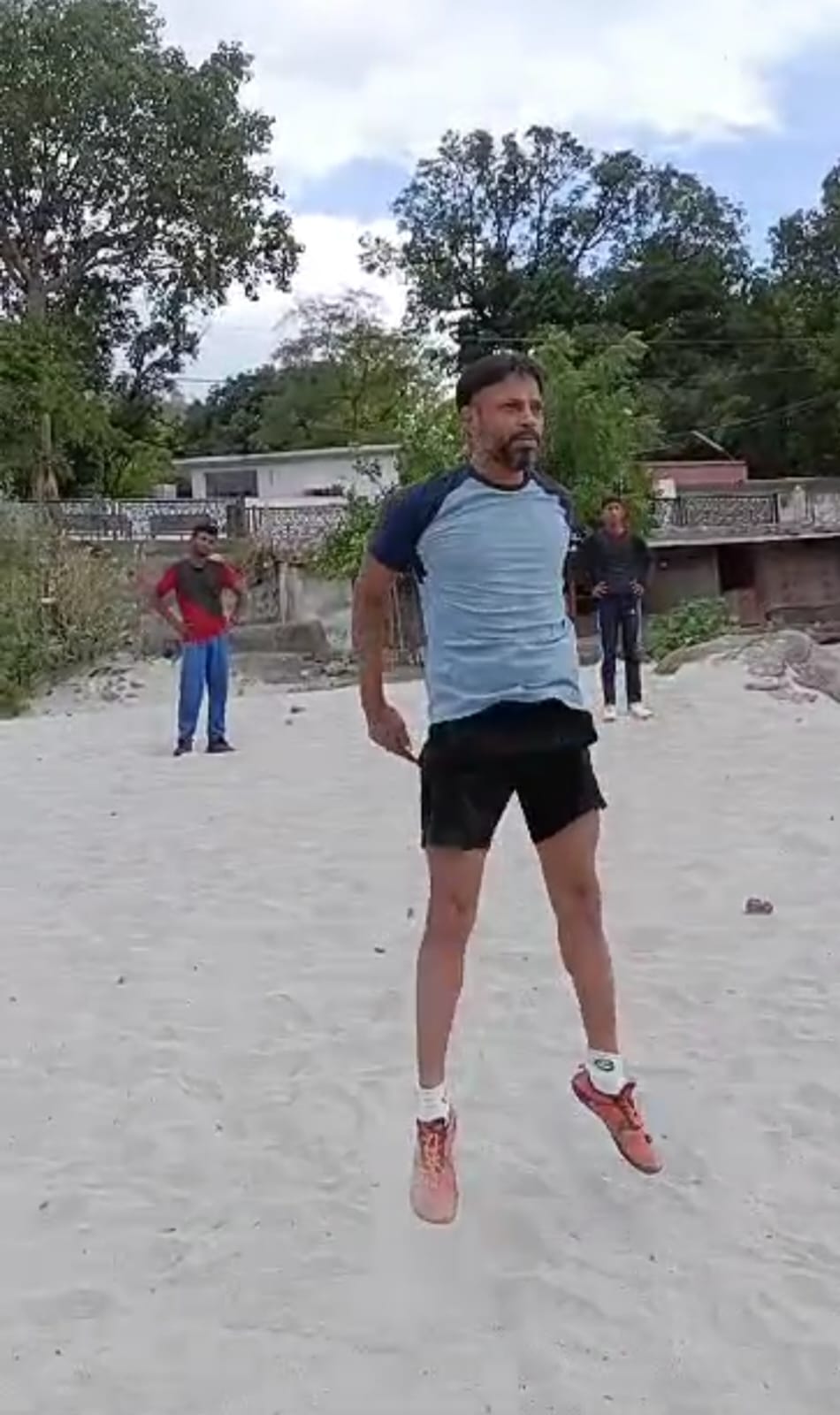
Ques: How and why?
By analyzing the video, one can understand the importance of each muscle involved in the circuitry pathway of the leg-strengthening jumping exercise, as well as the coordination between the upper and lower body. However, if the exercise is performed incorrectly, it is possible to achieve the same or even greater height in the jump, but at the expense of certain muscles being forced to work excessively. As a result, the movement may not appear as effortless as it should. Does it matter so much in one time effort sports? Not much. But if the sport calls for repeated movements and postural nuances then energy efficient movements matter the most to keep an athlete healthy and injury free. Because if the movements do not align with our circuitry system, emphasising load on few selected muscles, then those muscles are bound to get overactive leading extra fatigue and exhaustion.
Ques: What happens then?
When a muscle is overactivated, it compensates for the workload of other muscles and becomes even more hyperactive. This muscular hyperactiveness commonly occurs when a muscle is required to compensate for the reduced function owing to weakness of another muscle or muscle group – part of circuitry. This compensatory mechanism aims to maintain stability, support movement, and complete the intended action.
However, it is important to note that relying on compensatory muscle activation patterns is not ideal for optimal movement and performance. Over time, these compensations can lead to imbalances, inefficient movement patterns, and increased strain on the musculoskeletal system. This can result in various issues such as muscular fatigue, decreased performance, and an increased risk of injuries.
Ques: What happens with over-activated muscle?
It is important to recognize that overusing certain muscles can indeed lead to injuries, and this is particularly evident in the case of cricketers and hamstring injuries. To illustrate this, let’s consider the analogy of running a car at high speed with only one brand new tire. Initially, it might function adequately, but eventually, the pressure on that single tire will cause it to fail.
The hamstrings, being a strong and resilient group of muscles, are typically not prone to injuries during normal activities. However, when they are constantly compensating for other muscles and experiencing overactivation or excessive workload, their vulnerability to injuries increases.
To provide visual context, the provided pictures demonstrate how injuries can occur when specific muscles are overworked and fatigued. Depending on the affected muscles, injuries can manifest in various locations such as the back, hamstrings, ankles, or shins.
In the case of fast bowlers, assessing and correcting their movement patterns can have a significant impact on their performance and risk of injuries. Even small adjustments, such as minimizing compensation from certain muscles, can enhance their speed, preserve energy levels, and mitigate the risk of career-threatening injuries.
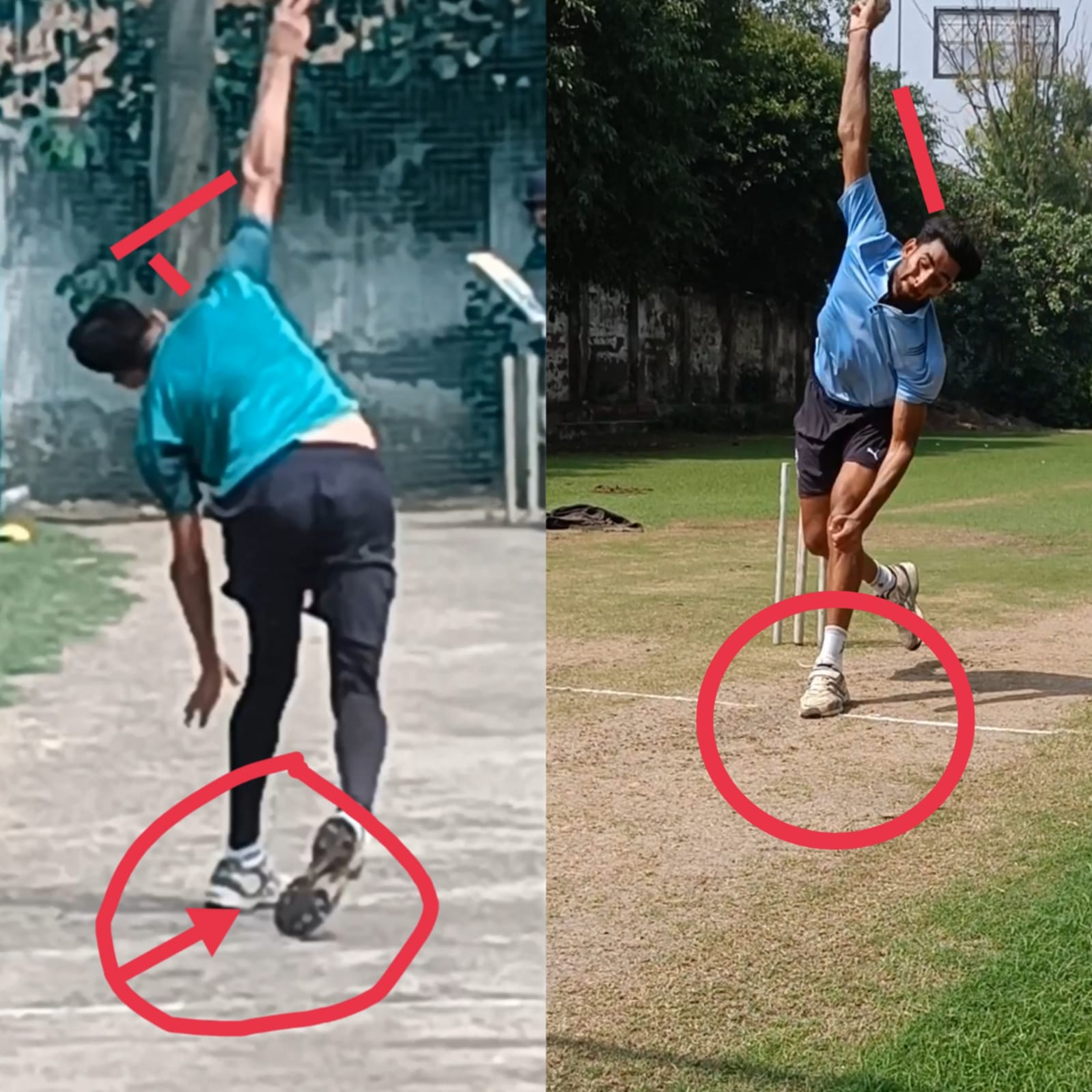
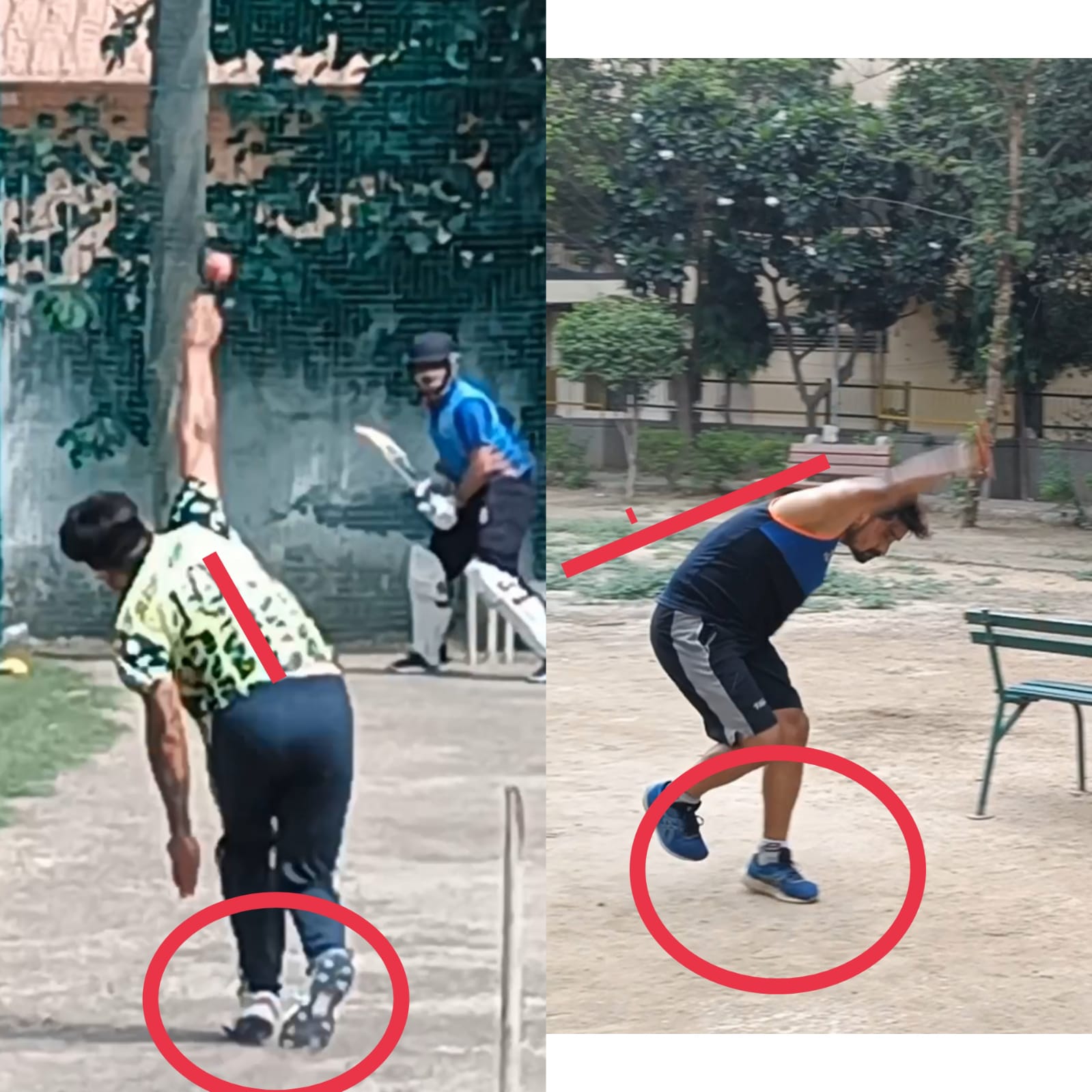
Ques: Why cricketers are suseptible to hamstrings injuries?
Cricketers are more prone to hamstring injuries due to several reasons.
Firstly, their choice of footwear, particularly spikes, can increase the amount of ground contact time and place additional stress on the hamstrings. This can lead to overactivation of the muscles and potential injury. For more detailed information on this topic, you can refer to a blog post by Umesh Chhikara at the following link: https://umeshchhikara.com/2020/03/31/cricket-spikes-injuries/.
Secondly, cricketers often neglect to allocate sufficient time for proper rest and muscle recovery. This lack of adequate rest can result in overactivation and compromised muscle function.
Lastly, cricketers may overexert their hamstring muscles through exercises such as weighted squats and Olympic lifts. This excessive workload can cause an imbalance in muscle activation, affecting the proper functioning of joints such as the ankle, knee, and hip, and ultimately leading to injury.
Ques: What should we do about over-activated musculature?
Definitely by not loading the musculature more!! It can lead to injuries/breaking.The best long term solution is to find the reason for its over-activation. And short term solution is to relax it.
Testing is important however I find our current testing systems bookish. A muscle hadn’t got injured because it lacked strength therefore what’s the point of testing strength. Instead we should check for abnormality that made it vulnerable and strength is definitely not one in any field sportsman.
 Umesh Chhikara