
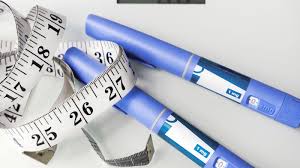
In recent years, a new class of metabolic drugs has become widely discussed, particularly Ozempic and Wegovy, both based on semaglutide. They were followed by Mounjaro and Zepbound, based on tirzepatide, which quickly gained global attention. As research advances, even newer molecules are emerging, such as Retatrutide, currently under clinical investigation. These drugs have rapidly moved from diabetes care into broader metabolic discussions. As a result, they are now frequently mentioned in conversations around obesity, metabolic health and longevity.
Known side-effects: known to cause gastrointestinal side effects such as nausea, vomiting, diarrhea, constipation and abdominal discomfort. Some users also report fatigue, dizziness and delayed gastric emptying. In certain cases, more serious complications like Pancreatitis, Gallstones and Hypoglycemia (when combined with other diabetes drugs) have been reported. Rapid weight loss with these drugs may also lead to loss of muscle mass in some individuals.
GOOD: These drugs are useful in people with obesity, but even then they are not a permanent solution. Medicines rarely solve a biological problem forever. They can trigger change and help maintain it, but they do not replace the need for lifestyle correction. These drugs can reduce biological resistance to weight loss by keeping appetite lower and helping regulate energy balance.
BAD: However, these drugs are not meant for weight loss in general. Non obese individuals taking them purely to look better should understand that every drug comes with compromises and side effects. If a person eventually wants to stop the drug, they will still have to change their lifestyle, food habits and exercise patterns. Those changes can be made from the start without the need to depend on a drug for years.
Note: A drug is suited only for the person who truly requires it, meaning the system can benefit from it. A normal, well functioning system that does not require a drug may actually be compromised by it and can experience more severe side effects. The concern is not just the money aspect but also the health implications. Taking a drug purely for aesthetics is not a good idea in my view. The financial and health costs (ongoing injections, side effects, dependency) outweigh benefits for cosmetic goals.
The new obesity drug Retatrutide is interesting because it activates three hormone pathways at once.
GLP 1
Increases insulin when glucose is present, slows stomach emptying and suppresses appetite. This helps reduce food intake and improves glucose control.
GIP
Amplifies the insulin response after meals and improves glucose disposal in tissues.
Until now, most drugs focused on these two pathways: better glucose handling and satiety.
Glucagon receptor activation: This is where the drug gets clever. Glucagon signals the liver to release energy and increases fat oxidation and metabolic burn. Earlier glucagon drugs caused high blood sugar. But when combined with GLP 1 and GIP, the insulin response balances the glucose release.
So the system becomes:
– Less energy coming in
– Better glucose handling
– Slightly higher energy expenditure
This is science at its best indeed but lets pause and look at this from a humane angle:
The human body is not a machine with independent switches. No hormone works in isolation. GLP 1, GIP and glucagon are part of a much larger network that includes leptin, ghrelin, thyroid hormones, dopamine circuits, muscle metabolism and many other systems. When we artificially amplify one pathway, the rest of the system eventually recalibrates.
This is why many people regain weight when the drug stops because lipostat in the brain have not fundamentally changed which to me is a BIG problem.
The body hasn’t learned!
Analogy: just taking a good prework out doesn’t make your muscles stronger.
To me these drugs are best understood as a supplement that can help. Think of a patient in the ICU on oxygen. The oxygen is lifesaving, but the goal is still to help the patient stand up and breathe on their own again.
Similarly, these drugs can reduce biological resistance to weight loss. They create a window where appetite is lower and energy balance becomes easier to control. But the long term goal should still be restoring the capacity of the whole organism through movement, strength, cardiovascular fitness, sleep and nutrition.
Analogy: Gym…people focus only on muscle gain and supplements. They may succeed in building muscle, but without developing the rest of the system cardiovascular capacity, metabolic flexibility and overall health often lag behind. That is why even lifelong athletes can struggle with weight and metabolic disease once training stops.
The body always operates as an integrated system.
So perhaps the smartest way to view these drugs is not as a permanent solution, but maybe as a starting point. Use them like a pre workout that lowers the barrier. Then build the real adaptation through training and lifestyle.
Changing lifestyle, avoiding junk, adding movement still remain a prerequisite for good health regardless of how much weight you have lost.
 Umesh Chhikara