
‘
Feedback on the Study: Randomized Crossover Trial
This is a brilliant study and well designed.
Why this research is important
Most nutrition and metabolism studies are done on sick or metabolically unhealthy populations. Because of that, their conclusions are often misunderstood and then applied universally, even to healthy people.
In contrast, this study was done on a healthy population cyclists. It is reasonable to assume that such individuals already have good health markers. Studying them helps us understand how the human system works under optimal or near optimal conditions.
That is why I find this research more applicable to the general population. It does not focus on disease management. Instead, it broadly compares the effects of two diets on fit individuals. This allows us to better understand which diet may suit which type of person.
Below are my key learnings from the research. I have tried to simplify the language and context so it is easier to relate to and helps you make better decisions for yourself.
1. Dietary carbohydrate intake and exercise timing strongly influence glucose response
My response and how you can understand this in your context: People with high glucose levels, high triglycerides, or insulin resistance have difficulty disposing glucose efficiently.
For this population, there are usually two common approaches
• Use insulin to dispose glucose, as in diabetes management
• Reduce food intake, especially carbohydrates, to reduce glucose production
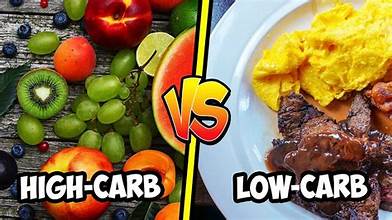
This research highlights a third approach using a low carb high fat diet. In this study, the low carb diet consisted of around 26 % carbohydrates.
Participants on the low carb diet showed lower average glucose levels and reduced glucose variability. This suggests better glucose control in individuals following this approach.
For people who cannot follow a low carb diet which can be very difficult to follow in vegetarian populations and among those who prefer rice or roti the solution lies in smarter carbohydrate choices and better timing.
Here is what I have been telling my students, practicing it on self and this research also confirms my understanding and the reason why I follow this approach:
Carbohydrates that cause a rapid glucose rise, such as fruits, may be better consumed just before exercise. In fitter individuals, they may also be useful after exercise to refill glycogen stores.
Another standard instruction that I always give and spoken about in my podcast a lot: Reducing carbohydrates at breakfast makes practical sense. A low carb or zero carb breakfast can help keep glucose levels more stable during the early part of the day.
Summary
People with glucose or insulin related issues should pay attention not only to the amount of carbohydrates they eat, but also to how sensitive their glucose response is to movement and exercise.
Using a continuous glucose monitor or taking regular glucose readings at fixed times can provide valuable personal feedback on how specific foods affect blood sugar.
2. Exercise intensity is associated with higher glucose levels during training, regardless of diet
This finding is important because it confirms that glucose is a primary fuel during high intensity exercise. Anything that is essential at high intensities cannot be inherently bad. This result supports the idea that carbohydrates are not harmful by default. Stop cursing carbs.
A high carb diet is not a problem unless the individual has difficulty disposing glucose. Sensitivity to glucose handling matters more than carbohydrate intake alone as shown as individual variability in the research.
3. Low carb high fat diets reduce glycogen synthesis due to limited glucose availability
With lower glucose availability, glycogen synthesis is reduced because glucose is the primary substrate for glycogen formation. Since a significant portion of consumed glucose is used to refill glycogen stores, reduced glucose intake naturally leads to lower average blood glucose levels and less variability.
Whereas eating carbohydrates supports energy production, delays fatigue, and helps preserve muscle glycogen.
Key learning
When energy demand is high, carbohydrates are useful. When energy demand is low or glucose disposal is impaired, carbohydrate intake should be adjusted.
A note on insulin measurements
I wish insulin levels had also been measured in this study.
This would have added an important layer of understanding. During high intensity exercise, muscle glucose uptake does not require insulin. It is driven by muscle contraction, calcium signaling, and AMPK activation.
In individuals on a low carb high fat diet, the body adapts by increasing glucose production through gluconeogenesis and increasing ketone production, usually in a low insulin environment.
Measuring insulin would have helped assess overall metabolic flexibility. It could show whether a lower insulin environment on a low carb diet supports efficient fat to glucose conversion without limiting glucose uptake during intense exercise.
It would have been fascinating to see insulin levels measured before, during if feasible, and after high intensity sessions on both diets. This could directly address ongoing debates about whether low insulin states impair high intensity performance.
Current evidence suggests that after proper adaptation, they do not.
 Umesh Chhikara