

I have held the view mentioned above throughout my life. As a result, at 51, I have never suffered an injury, even though the quality of my musculature is second to none. Despite being a rehab specialist and owning a physio bed, I have fortunately never had to lie on it myself.
People are often distracted by muscle mass and end up chasing it, forgetting that the mass they are adding often comes at the cost of flexibility, higher food intake, more physiological stress, and a fatigued structure. None of this is a problem if you are competing and this is your full time job.
However, for the remaining 99.9 percent of people who go to work every day, these are very big compromises. Over time, they often result in poor health as people grow older, mainly because extremes cannot be sustained for life. What happens then? They gain weight, start getting niggles in their joints, and due to heavy diets, may develop insulin resistance. There is an old saying in India that wrestlers do not age well. The human body has leverage for extremes, but you cannot live in extremes all your life. Balance matters most. Prioritise enjoyable, progressive lifting that builds strength and muscle without chasing extremes. Enough to thrive now and age gracefully, not so much that it becomes a burden later.
Now, here is the counter argument, and I will explain why it does not fully apply in the real world.
Flexibility: Multiple meta analyses show that resistance training through full range of motion improves or maintains joint flexibility, sometimes comparable to or better than static stretching, especially in sedentary or untrained populations.
My counter: Absolutely. But why do we not see this commonly? Because this is largely applicable to professional bodybuilders or highly experienced lifters whose primary job is to lift and rest, then lift again. Compare this to an average person who drives to work, sits for long hours, stays on the phone, and lives through multiple postural stresses during the day. If you lift in extremes, you need care in extremes as well.
Joint health: Long term resistance training in non elite populations is linked to better musculoskeletal health, reduced osteoarthritis risk compared to being sedentary, preserved mobility, and lower frailty with aging.
My counter: Absolutely again. But the body cannot live out of extremes. This is why you see many celebrities eventually going for hip replacements or other surgeries as they get older. Going to an extreme is a leverage we are blessed with. Living in extremes is not. This is evident in almost everyone who has lifted heavy all their life. Nobody really asks the question when a famous celebrity undergoes surgery, but in my view it is important. Not everyone is privileged, and the need for surgery or long term pharmacological intervention can seriously compromise quality of life.

Metabolic health: Resistance training robustly improves insulin sensitivity, glucose uptake through increased GLUT4 expression, and muscle hypertrophy acting as a glucose sink. These benefits are seen even in older adults and people with type 2 diabetes.
My counter: Extreme hypertrophy pursuits involving constant bulking and cutting are not sustainable. When stopped, they can lead to metabolic strain. A recent example is one of my cousins who was competing at the age of 50. After experiencing mild discomfort during training, he was eventually diagnosed with two arteries blocked up to 90 percent. This happened to someone whose life revolved around training and resting. Now imagine someone who has to deal with life’s daily stress day in and day out.

Bottom line: This is not just about lifting. This applies to any form of training. When taken to extremes, it becomes unsustainable. Our beautiful body can take a lot of insult, but it always demands nurturing in return. So:
- Lift what your body can handle, not what other bodies are handling.
- Lift in a way that does not leave your body stiff or force excessive rest.
- Lift in a way your body enjoys, something that makes you want to return to it again and again without hesitation.
- Mix lifting with other forms of training such as walking, yoga, or sports.

If you think of muscle as an organ, then you must also understand and respect its limitations. Like every other organ, it thrives on appropriate stimulus, adequate recovery, and balance. Overload it repeatedly without regard for the whole system, and it stops serving health and starts demanding compensation from joints, hormones, and metabolism. Strength should support life, not dominate it.
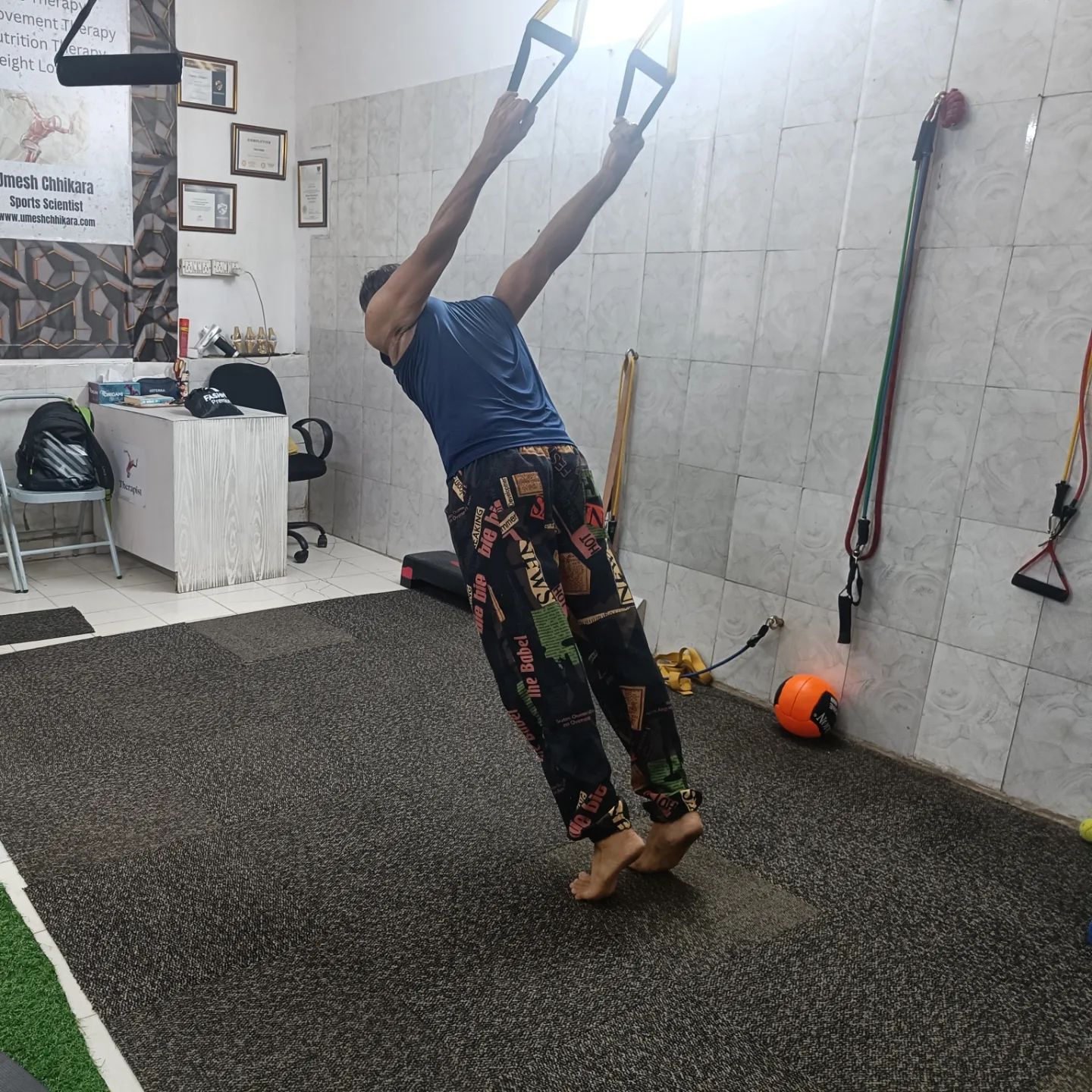
Here is a good example of adding resistance and training the entire musculature for strength, joint health, power, and health:
 Umesh Chhikara