
Note: I am not an expert on mitochondria. So this is a shout out to all the experts – please correct me here if I am wrong.
Most discussions on women’s hormonal health zero in on the ovaries, thyroid, or adrenals. But the real upstream controller—often overlooked by the general public—could be skeletal muscle mitochondria.
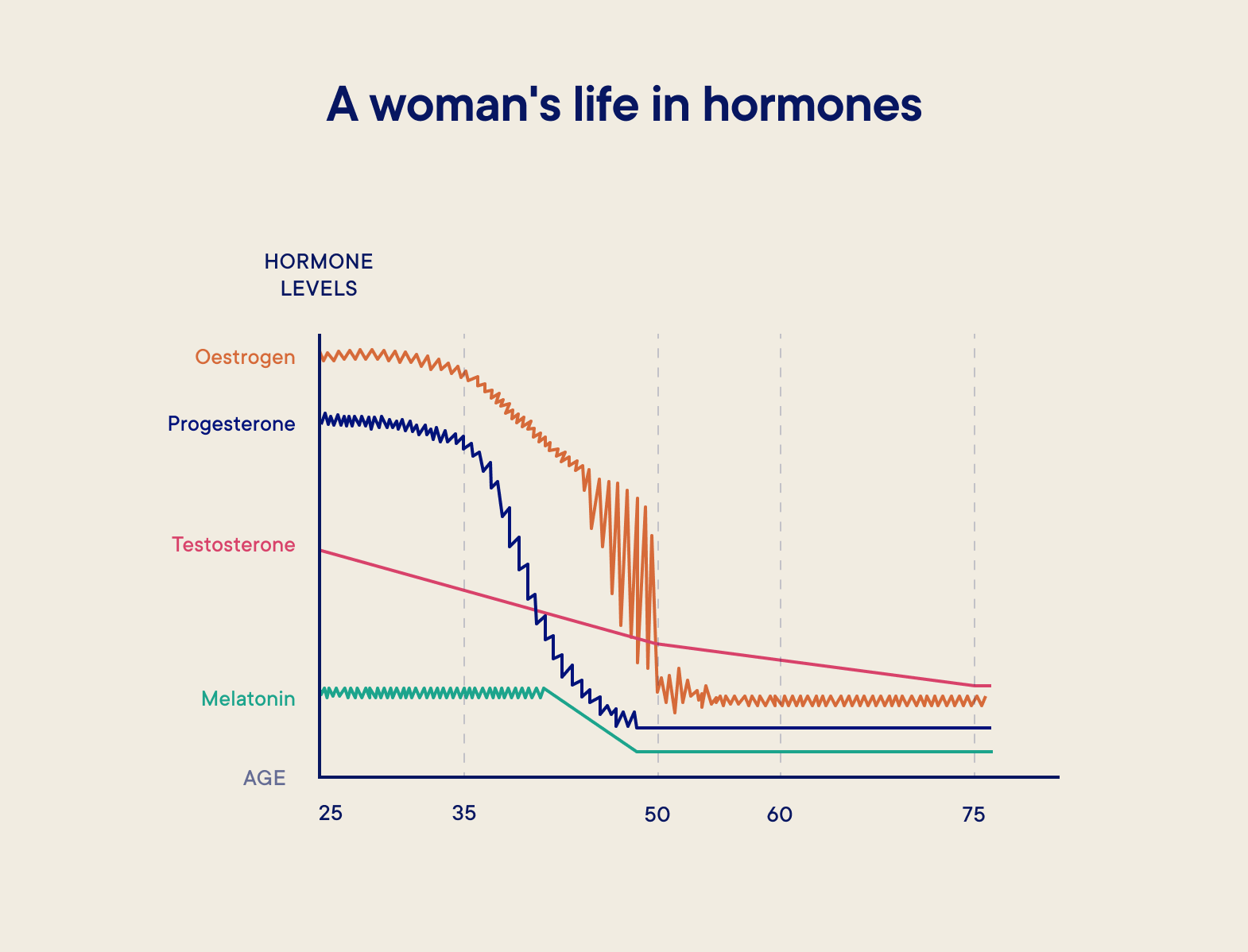
Many women in their 40s and 50s experience significant hormonal shifts that disrupt overall well-being. While some navigate this phase smoothly, others face a cascade of challenges: chronic fatigue, insomnia, muscle weakness, compromised cardiovascular health, and unwanted weight gain. What if I told you these issues could trace back to a single organelle—the mitochondrion?
While the mitochondria in skeletal muscle are not directly linked to those in organs like the ovaries, adrenal glands, or adipose tissue, an intriguing parallel exists. Consider that steroid hormones—including estrogen, progesterone, testosterone, and cortisol—are synthesized within the mitochondria of these very tissues. Research consistently shows that exercise directly influences the levels of these hormones.
But what type of exercise?
Endurance training, such as running, is renowned for enhancing mitochondrial health in skeletal muscle. Though it seems unrelated at first, the connection is indirect and profound: by systemically improving metabolic health and broadcasting hormonal signals, endurance exercise creates an optimal internal environment for hormone-producing mitochondria throughout the body.
Herein lies a fascinating fact: these are two completely different types of mitochondria in different sites, and yet their relationship is linear. Work on improving mitochondrial health in skeletal muscle, and the ripple effect is improved health of mitochondria in the ovaries, adrenal glands, and beyond.
When skeletal muscle mitochondria falter:
- Energy production plummets
- Inflammation lingers
- Fat oxidation stalls
- Cortisol levels spike
- Estrogen, progesterone, and testosterone dip
This explains why overweight, fatigue, PMS, irregular cycles, and low libido often cluster together—the root cause is metabolic, not just endocrine.
Restoring efficiency in muscle mitochondria, however, creates an indirect ripple effect it seems: the endocrine mitochondria in ovaries and adrenals typically rebound as downstream beneficiaries of an optimized metabolic environment.
In simpler terms: Boosting mitochondrial health through cardio training indirectly improves the health, fostering optimal hormonal output.
Data backs this up. Endurance training, like moderate running, can increase mitochondrial volume in skeletal muscle by 40-50%, improving fatty acid oxidation, ADP sensitivity, and overall biogenesis—the creation of new, healthier mitochondria. For perimenopausal women, regular aerobic exercise slows vascular decline, boosts nitric oxide and estradiol bioavailability, and mitigates symptoms like mood swings, sleep disturbances, and metabolic dysfunction. Studies show it maintains healthy body composition, reduces injury risk, and aids recovery, while countering insulin resistance and inflammation.
On the longevity front, female runners exhibit remarkable outcomes: a 25-40% lower risk of premature mortality, with an average lifespan extension of about three years compared to non-runners, thanks to reduced cardiovascular disease and cancer risks. These benefits align with stronger bones, muscles, and hearts—key for thriving through hormonal transitions.
Why is this link so often ignored? Medicine tends to silo organs, treating hormone imbalances at the gland level. But the true origin of dysfunction frequently lies in muscle—the body’s largest metabolic organ.
The core takeaway: Healthy skeletal muscle mitochondria pave the way for healthy hormonal mitochondria? Else how do we explain improved hormonal balance and production? If it is so then this should hold true universally, except in cases of genetic or structural gland disorders or medical condition that warrants pharmacology intervention.
By prioritizing cardio to revitalize these powerhouses, women can reclaim energy, balance, and vitality. Time to rethink hormonal health—starting from the muscles?
Here is an article that can help you on the biggest question – how to improve mitochondria health?
 Umesh Chhikara