

Anatomical Dance from Neck to Toe
We are often adamant about our exercise form, which is good when we work on isolated muscles. However, for exercises that engage multiple joints putting maximal stress on each, we may extract the best from the exercise by looking into our joints’ health and accordingly pick up the form that works best for us. The squat is the best example for this. In my view, it’s the best exercise/movement for both strengthening and recovering our entire musculature. How about we study the squat and see how its form can differ for different people?
## Prioritizing Joint Health: The Foundation of Effective Training
In the pursuit of fitness, many jump straight into building muscle or boosting endurance, but this overlooks a crucial truth: joint health must precede muscle health. Our musculoskeletal anatomy pretty much defines the route we should take in training to maximize our health. Even if the goal is to build muscle, we must look at joint health first and muscle health later—because that’s the natural sequence. For the vast majority of people—the 99% who aren’t elite athletes—overdoing exercises like heavy lifting, running, or intense cardio without this priority can weaken joints rather than strengthen them. It often creates structural imbalances, leading to pain and setbacks. If running is giving somebody pain, then it’s not what they should be doing; joint health dictates what activity to choose, how much to do, and the intensity, all aligned with your aims.

Note: I not only kept all fast bowlers healthy for five consecutive seasons, but they also maximized their pace alongside fitness. The key was prioritizing joint health first—since the pull at the joint determines how much force the muscles can generate. And guess what? They were strengthening their musculature all along. Good joint health invariably led to maximizing muscle usage through correct intra-joint muscular mechanics. With free-weight squat variations, speed work, and other multi-joint movements, this approach kept teams across different age groups injury-free for five straight years.
The argument that muscle can only be built with stronger joints is valid, but we’re not talking about highly trained elites here. For everyone else, pushing too hard without addressing joint integrity first doesn’t foster progression—it hinders it. Not everybody can advance well in high-intensity areas without this foundation. This perspective shifts the narrative: let’s emphasize why we should always start with joint health, using the squat as a prime example to illustrate how one exercise can rehabilitate the injured while strengthening athletes, all by tailoring form to joint needs.
## The Squat Through a Joint Health Lens
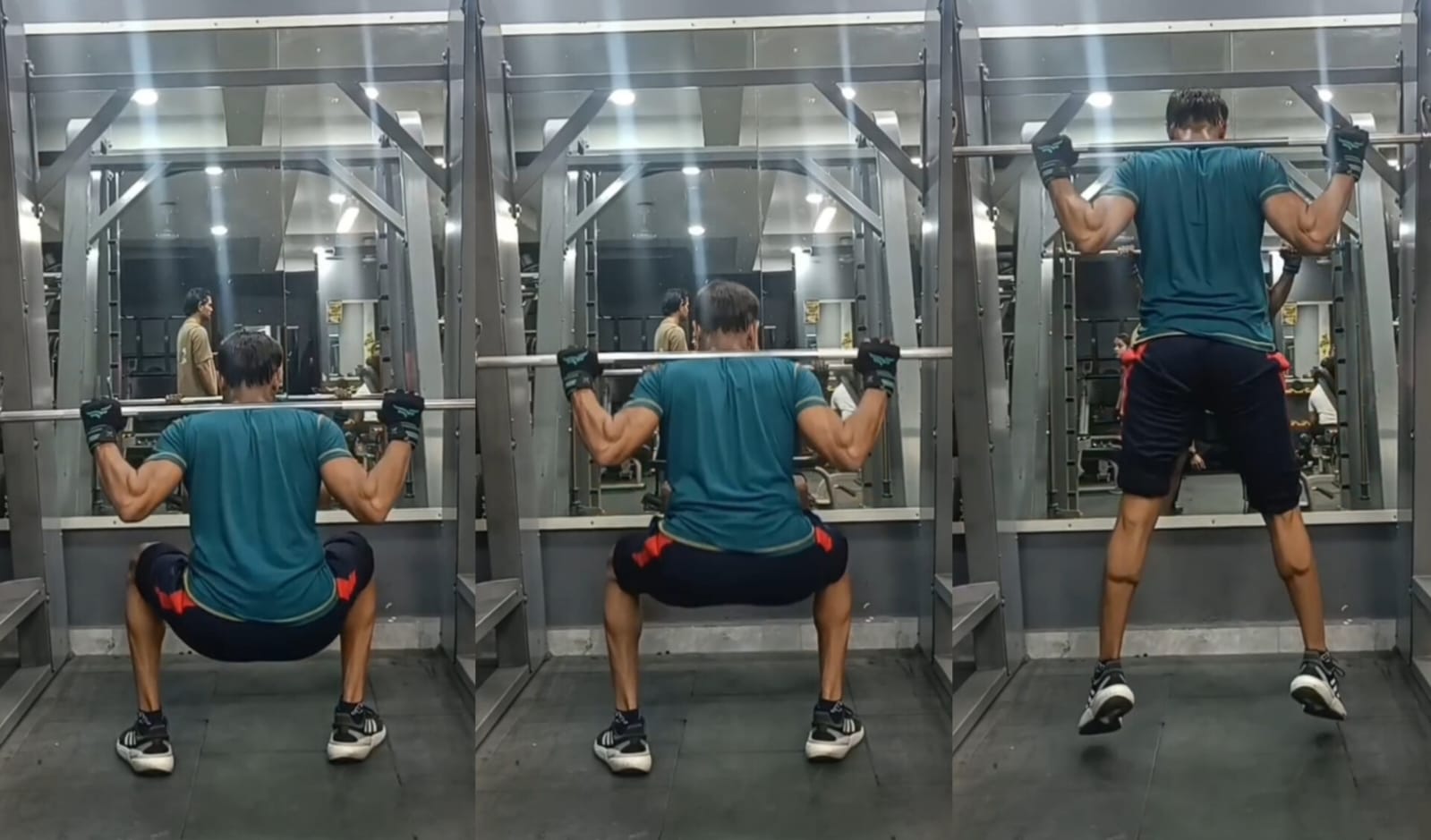
The squat exemplifies this joint-first approach, serving as a holistic movement that can align the spine, strengthen ankles and knees, and promote overall musculoskeletal harmony. In my experience of studying athletic populations across age groups and sports, together with rehabbing people with lower back pain quite successfully over the years, this accumulated experience—shared from the injured to the fittest—has taught me deeper nuances in our musculoskeletal orchestra.
For those dealing with lower back issues, squat mechanics often reveal joint misalignments. Most individuals I’ve treated struggle to maintain a neutral spine under depth; the femoral head glides posteriorly, leading to lumbar flexion in the opposite direction. Many compensate by bending the knees to roll the hips, but biomechanically, that’s incorrect and can exacerbate joint stress.
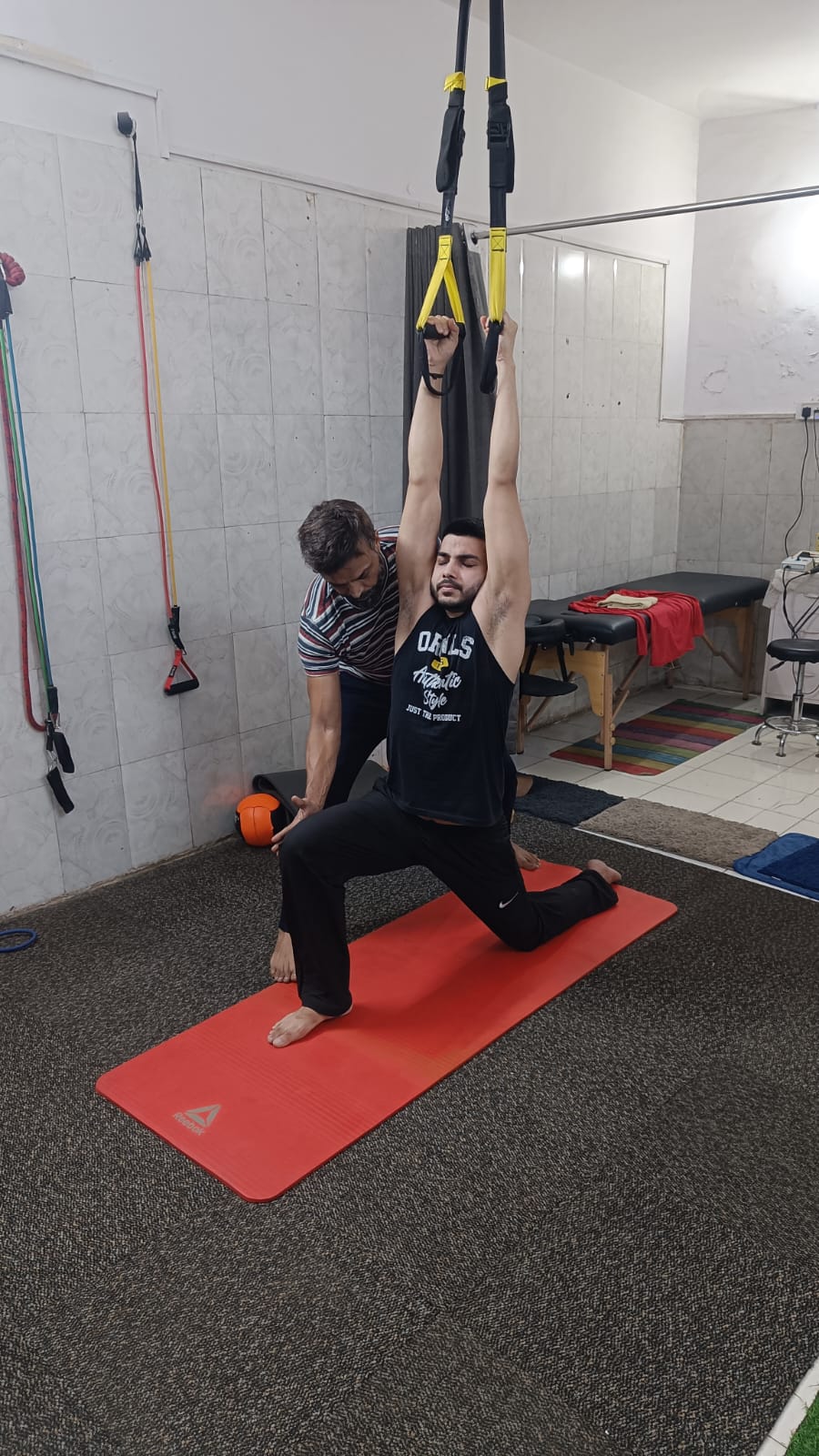
(To address this, I prioritize joint health by keeping knees extended and cueing the hips to drive posteriorly (with support at ~45° shoulder height). This progressively restores spinal alignment, creating a straight line from arms to spine. From there, I transition them into light free-weight squats with increasing depth while preserving neutrality. This method underscores how the squat can correct and align the hip joint—and thereby the spine, knees, and ankles—making it a powerful tool for recovery without overloading vulnerable areas.)
## A Brief Nod to Athletes: Adaptation Without Overemphasis
For athletes, the squat’s benefits in enhancing performance through deeper knee flexion are well-known and need no elaboration. The key insight here is its dual role: the same exercise that rehabilitates joints in the injured can adapt to build strength in the fit, provided joint health guides the form and intensity.
Video: https://youtube.com/shorts/mdnQVhwYdkA?si=grx_9di35F2cZg_r
Historical and Cultural Insights on Joint-Centric approach
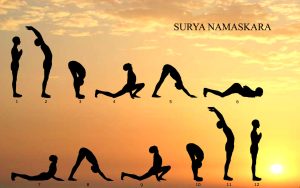
This joint-focused perspective isn’t new. Traditional practices like yoga long emphasized movements such as guiding the knee toward the toe to naturally strengthen joints—viewing it as a pathway to mobility and stability rather than a risk. Or keep hip and shoulder joints aligned focussing on spine. And likewise several other postural dispositions working toward strengthening the same joints through a different pathway.
Holisticness:
Holds and movement unfolds as a dance of joints
a symphony of isometric, concentric, and eccentric grace,
balancing the musculoskeletal temple.
With each mindful breath, the brain’s tides of hormones are calmed,
and the heart finds refuge
a celestial abode of rhythm, stillness, and light.
…………………………………………………………………………………………………………………….
The Systematic Impact: Joint Health as the Natural Progression
By centering on joint health, whether its squat or any other postural disposition designed to align, demonstrates a systematic impact—one exercise yielding multiple adaptations. It realigns for the rehabilitating, fortifies for the performing, and maintains balance across the body. This new perspective—that joint health should precede muscle health—challenges common fitness narratives and encourages a more sustainable path. For the 99%, starting here prevents imbalances and ensures true progression.
Conclusion: Embracing Joint-First Fitness
The squat is a true anatomical dance from neck to toe, but its power lies in respecting joint health as the starting point. By tailoring form to our musculoskeletal needs, we unlock its potential for recovery, strength, and longevity. Whether rehabbing an injury or pursuing fitness goals, let joint integrity lead the way—it’s the natural progression for lasting health.
 Umesh Chhikara
in addition to the strengthening exercises, does taking collagen supplements help in strengthening the ligaments & tendons, faster recovery and prevent injuries to fast bowlers?
No, collagen supplements are not needed for fast bowlers.
No. No supplementation needed! Young fast bowlers have robust natural collagen production in their tendons and ligaments. They already get more than enough protein from food, which provides all the amino acids required to build collagen. After all, collagen is nothing more than a combination of a few amino acids.