
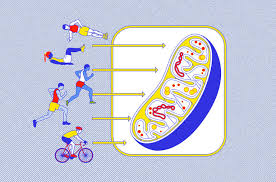
In the fitness world, Zone 2 training—steady, conversational-pace exercise like a brisk walk or easy jog—gets a lot of buzz for boosting mitochondrial health (your cells’ energy factories) and fat oxidation (burning fat for fuel). But as recent research shows, including a 2025 narrative review in Sports Medicine, pure Zone 2 often falls short of the hype for improving these in the general population. High-intensity interval training (HIIT) sometimes edges it out, but that’s not the full story. The real key isn’t ditching Zone 2 for HIIT—it’s understanding adaptation and adding simple, intermittent challenges to push your system without overhauling your routine.
This article breaks it down logically: Why your body adapts (and plateaus), why progression matters, and how sprinkling in brief “huffing” moments (shifting to Zone 3) creates the adaptations you want. We’ll explain why HIIT works initially for beginners but isn’t a long-term fix-all, and focus on doable tweaks—like adding short bursts to your daily walk. It’s straightforward, evidence-based, and practical for anyone.
The Body’s Adaptation Rule: Efficiency Comes at a Cost
Your body is a master adapter—it gets better and more efficient at whatever you throw at it repeatedly. This is basic physiology: Repeat a stimulus, and your system optimizes to handle it with less effort. For Zone 2, that means better mitochondrial function and fat use early on, but without change, gains stall.
Logically, if you walk the same pace daily, your heart rate drops, calories burned decrease, and mitochondrial upgrades slow because there’s no new stress. Studies confirm this: Aerobic training boosts fat oxidation via increased mitochondrial capacity, but in untrained folks, it plateaus if the routine stays static. That’s why habitual walkers often don’t lose weight—the Constrained Energy Expenditure model kicks in, where your body offsets exercise calories by saving energy elsewhere.
Progression Isn’t Optional: Evolve Your Zone 2 or Plateau
Zone 2 isn’t fixed; as you adapt, what felt like Zone 2 becomes easier. To keep the benefits rolling, progressively increase speed or duration—e.g., from 8 km/h for 15 minutes to 10 km/h at the same easy-breathing effort. This maintains the “load” on your system, like adding reps or weight in strength training to keep building muscle.
Without it, fat oxidation (which peaks in Zone 2) and mitochondrial density improve minimally. Research shows Zone 2 enhances metabolic flexibility (switching fuels efficiently), but only with progression does it sustain gains in fat-burning and energy production in my point of view.
The Magic Happens at the Edges: Intermittent Zone 3 Pushes
Here’s the nuance: True improvement comes from challenging your thresholds intermittently—not full HIIT sessions, but brief shifts to Zone 3 (where you’re huffing, around 70-80% max HR, nearing lactate buildup). This forces mitochondria to ramp up fat oxidation before fully tapping glucose, building capacity.
Why? When you “huff,” your body stresses the aerobic system, upping enzymes for fat transport and mitochondrial biogenesis without going anaerobic. It’s like inviting a little help from glycolysis while still burning fat—that crossover builds resilience.
Doable examples:
- Daily Walker: Add 30-60 second brisk walks every 5-10 minutes to go out of breath briefly, then return to normal pace.
- Brisk Walker: Insert 50-meter light jogs intermittently to push the threshold.
- Jogger/Long-Distance Runner: Weave in short sprints (20-30 seconds) to challenge fat oxidation limits.
This polarized approach (mostly Zone 2 with ~20% pushes) maximizes benefits without exhaustion. In my view, adding threshold intervals to Zone 2 show enhanced fat oxidation (e.g., 36% increase in weeks) and mitochondrial adaptations, especially for metabolic health.
Why HIIT Works Initially (But Isn’t the Focus Here)
HIIT shines for beginners because the novel intensity creates a big challenge—glycogen depletion and energy stress spike mitochondrial signals, boosting fat oxidation 30-50% short-term. But in trained athletes, it plateaus; daily HIIT builds stamina, not endless fat gains, as the body adapts. Marathoners don’t HIIT exclusively—they use volume for specificity.
We’re not pushing HIIT here; it’s the principle of intermittent challenge that explains its initial edge. Apply it subtly in Zone 2 for sustainable wins. FACT: you can work with Zone 2 all year around but not with HIIT. So use HIIT as a tool just like car’s sports gear. We don’t drive the car in traffic on sports gear. We use it sometimes to have fun and see car’s performance.
Why Research Shows Mixed Results on Zone 2
Studies often test fixed Zone 2 without progression or challenges, so mitochondrial and fat benefits look “meh” compared to varied training. Adding intermittent pushes aligns with evidence favoring threshold work for fat oxidation and longevity.
Simple Action Plan: Make It Doable
- Track Your Zones: For non-athletic population – Constant Steady breath – Zone 2; Zone 3: Not that steady..a little extra breath that you can hold for a little while; Zone 4: something that you cant sustain it for long
- Start Basic
- Add Challenges: Every 5-10 minutes, push 20-60 seconds to huff, then recover.
- Progress Weekly: Increase overall pace/duration as it feels easier.
- Monitor: Note energy, recovery; adjust if overdoing – Pain, aches, or niggles
This builds mitochondrial health, fat-burning, and endurance logically—without extremes. It’s your body’s way: Adapt, challenge, thrive. Consult a doctor before starting, especially if new to exercise. What’s your routine like? We can tweak it further!
 Umesh Chhikara