
The Silent Genius of Traditional Indian Diets: How Ancient Wisdom Nailed Modern Nutrition
As a science-based nutritional therapist, I’m constantly awestruck by the wisdom embedded in my ancestral food traditions. Centuries before proteins, vitamins, or amino acids were even discovered, Indian diets had already cracked the code—through sheer intuition and observation. Take something as simple as our multigrain flours: blending wheat with black chana, soybean, or bajra wasn’t just culinary habit; it was unknowingly compensating for wheat’s lysine and threonine deficits, boosting leucine for muscle repair, and creating mineral-rich meals. What modern science now proves through labs, our ancestors perfected through lived wisdom—long before ‘nutrient density’ became a buzzword.
How did they do it?
1. Protein Pairing: The Unspoken Science of Completeness
Long before “amino acid profiling” existed, Indian meals naturally combined plant and dairy proteins to compensate for deficiencies:
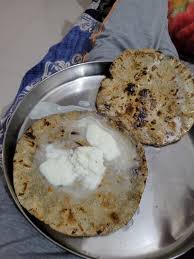
- Wheat Roti + Dal: Wheat (low in lysine) + lentils (rich in lysine) = complete protein.
- Bajra + Ghee: Winter staple where bajra’s iron pairs with ghee’s fat for better absorption.
- Milk + Turmeric: Casein’s slow-digesting protein + curcumin’s anti-inflammatory boost.
Modern Validation: Research shows ~2–3g of leucine per meal triggers muscle synthesis—*a tall glass of milk (15g protein) or dahi-chaas (5g) at meals quietly hit this mark*.
2. Dairy: The Ultimate Nutritional Safety Net
Every Indian meal subtly weaves in dairy to fill gaps:
- Breakfast/Dinner Milk: 15–20g protein (casein at night = overnight recovery).
- Lunch Curd/Chaas: Probiotics for digestion + extra protein (4–5g per cup).
- Ghee in Sabzi/Roti: Unlocks fat-soluble vitamins (A/D/E/K) from veggies.
Ayurvedic Hack: Buttermilk + cumin/jeera = reduced bloating and enhanced iron uptake—centuries ahead of “gut health” trends.
3. Seasonal & Synergistic Eating
No fad diets—just climate-smart nutrition:
- Winter: Bajra (iron/magnesium) + ghee (energy/warmth).
- Summer: Curd/chaas (cooling) + light moong dal (easy digestion).
- Monsoon: Garlic-laden kadha + ginger in meals (immunity boosters).
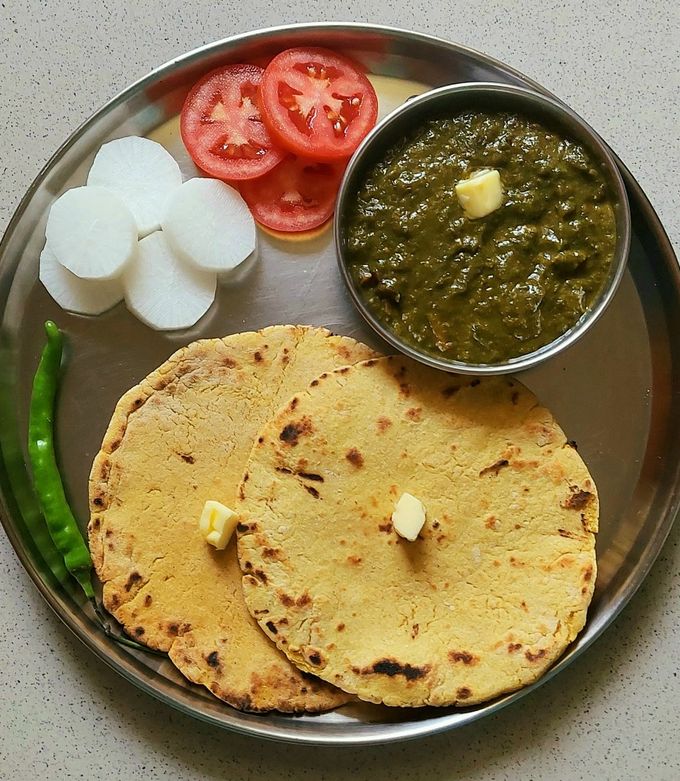
Science Bonus: Mustard greens (saag) + makki roti + ghee = iron + vitamin C (from greens) + fat for absorption. Mic drop.
4. Fermentation: The Original Gut Fix
Idli, dosa, dhokla, kanji—fermented foods were staples for a reason:
- Natural probiotics (prebiotics from ragi/jowar fed good bacteria).
- Reduced anti-nutrients (phytates broken down, boosting mineral absorption).
Fun Fact: The humble ambali (fermented ragi porridge) is a better probiotic than store-bought yogurt—for a fraction of the cost.
The Takeaway: Ancient Indians Were the OG Nutritionists
They didn’t count macros or obsess over amino acids. Yet, their meals:
✅ Automatically balanced proteins (dairy + grains + lentils).
✅ Maximized nutrient absorption (ghee + spices + fermentation).
✅ Adapted to seasons (body needs > calorie counts).
Final Thought: Next time you eat dal-chawal-ghee or makki-saag, remember—you’re tasting centuries of nutritional intelligence on a plate.
Disclaimer: I am an omnivore but my entire family is mostly vegetarian.
To all the scientists who are reading this:
The Ghee Paradox: Why Didn’t We Deep-Fry With It?
Science confirms ghee’s high smoke point (250°C) makes it technically ideal for deep-frying. Yet, our ancestors—even in ghee-obsessed cultures like mine (Jat, Haryanvi)—rarely used it for everyday frying. Here’s the fascinating contradiction:
- Cultural Evidence:
- Biggest ghee consumers (us!) reserved it for festive treats (pooris, laddoos), not daily sabzis.
- Contrast: Even communities with less ghee tradition (e.g., South Indian sesame oil users) didn’t adopt it for frying.
- The Heavy Truth:
- Experiment: Cook the same curry with isocaloric ghee vs. oil. The ghee version feels heavier, slower to digest—likely due to:
- Saturated fat’s delayed gastric emptying.
- Ayurvedic guru quality (dense, grounding).
- Result: You’ll instinctively eat less at the next meal—proving why it wasn’t a daily staple.
- Experiment: Cook the same curry with isocaloric ghee vs. oil. The ghee version feels heavier, slower to digest—likely due to:
- Ancient Wisdom Wins Again:
- They prioritized digestive comfort over technical advantages.
- Ghee’s richness = celebration, not routine (a self-limiting safety valve!).
Final Proof: Modern science now links excessive saturated fats to inflammation—yet our tradition already self-regulated this via cultural norms. Same calories as oil and yet won’t eat it because it causes GI distress. Howz that for an ancient wisdom?
Why Was Saturated Fat Not an Issue in Traditional Diets?
Saturated fat (like ghee) wasn’t historically problematic because:
- Moderate Intake: It was consumed alongside nutrient-dense whole foods (grains, lentils, vegetables), not in isolation or excess.
- Cost and Usage:
- Ghee was expensive, limiting overconsumption.
- It was rarely used for deep frying; traditional cooking relied on small amounts for flavor and digestion.
An Interesting Shift:
Many modern households separate milk fat (malai) to make ghee—effectively consuming milk for its proteins and micronutrients while getting fats in a concentrated form. Was this a subconscious nutritional hack?
Why Was Veganism Uncommon in Traditional India?
- Genetic Adaptation: Many Indian populations evolved with lactose tolerance, making dairy a sustainable part of the diet.
- Threshold Principle: Like any food, dairy only became unhealthy when consumed beyond metabolic tolerance (e.g., excess ghee + sedentary lifestyles).
For Protein Experts: The Hidden Wisdom of Traditional Diets
The traditional Indian diet naturally provided balanced amino acids (from combinations like rice + dal, dairy + cereals) to support muscle protein synthesis and metabolic processes. This may explain why earlier generations:
- Didn’t rely on meat for “complete” protein.
- Never developed a cultural craving for non-vegetarian food.
Another mind boggling fact for me at least: In certain villages in this heavy daily consuming population; many households breakfast would be – Wheat roti (often has black channa, bajra, etc) + ghee on roti + Ghee. The deficiency of amino acids Threonine and Lysine in wheat gets well covered by Milk making the amino acid profile complete. Where was this wisdom coming from?
Does this align with modern nutritional science? (Hint: Yes—complementary proteins and mTOR activation via diverse plant sources.)
And I am sure this is not just India. I highlighted India and specically north Indian diet because I belong here so can study it narrowly.
 Umesh Chhikara
This was so interesting to read. Here in Ireland we do have Indian restaurants but I suspect the food is not as traditional as advertised! I really enjoyed reading about the ancient wisdom of your ancestors too, it is cool to think they had at right from the start with the way they prepared the food!
Thank you. Yes, it is intriguing to think how today’s scientific wisdom existed in ancient cultures.
Regarding your comment on Indian restaurants, here’s another interesting fact—unlike in Western culture, Indians don’t eat out for their daily meals. Eating out is a treat for us. This is why, no matter where you are in the world, the Indian food you eat at restaurants is richer, with extra oil and spices to make it more flavorful. Just like any junk food, restaurants aim to make their dishes highly palatable. So what you eat at an Indian restaurant is a special indulgence, not an everyday meal. It’s calorie-dense and delicious. Not healthy!! But we all indulge in cheat meals once in a while so does Indians at Indian restaurants.
But just like anyone else, you might be surprised to learn that even Indians can’t eat restaurant-style Indian food every day without experiencing digestive discomfort within a few days. Next time you dine at an Indian restaurant, ask the owner if they bring their lunch from home. I bet the answer will be “yes” in 9 out of 10 cases. Gold-standard evidence! 😊
regards