
Real World vs RCTs: The Danger of Isolated Science in Human Health
Purpose and Audience
This article is aimed at the general public, not just academics or scientists. The intent is to spark awareness and critical thinking about how health science is communicated and applied in the real world, rather than to provide step-by-step solutions. This is valuable because:
- Knowledge empowers people to make informed decisions.
- Not every article needs to be a how-to guide; sometimes, understanding the complexity is more important than quick fixes.
A trainer reads a muscle-centric research paper or listens to an expert on a podcast. He gets excited.
Result? Everything about health becomes “muscle.” Strength training becomes the answer to every question.
Harm? Not everything is about strength. Not every injury, limitation, or performance issue is due to weak muscles. This blind spot grows — and so does the gap between science and real-world health.
But this isn’t just about muscles.
- A protein enthusiast reads a study or hears an expert. Suddenly, everything is protein.
Result? Protein becomes everything, carbs and fats are ignored, and one-size-fits-all advice is handed out freely.
Harm? Individual digestion, genetics, and requirements (ranging from 0.8g to 2.0g/kg body weight) are favoured. People take unnecessary supplements without adjusting calories, becoming bulkier, inflamed, and confused about fat vs. lean mass. - A dietitian embraces high-fat diet research.
Result? Fat becomes a hero, carbs the villain.
Harm? Not everyone metabolizes fat efficiently. Genetic, metabolic, and lifestyle differences are ignored, and many end up with rising cholesterol and declining health. - A fitness expert hears that creatine supports longevity and cognitive health.
Result? Creatine becomes a default supplement.
Harm? Creatine is mostly studied for muscle. Overuse or misuse leads to imbalances. Real food, sleep, and behavior get sidelined. - A podcaster drops the phrase “Zone 2 training,” and it spreads like wildfire.
Result? Everyone wants Zone 2 minutes without understanding what their body actually needs.
Harm? People track numbers instead of listening to their bodies. Someone with great cardiovascular health may need muscle or mobility work instead — but won’t know it.
🔄 This Pattern Repeats Across Health Trends
We read a study or hear a soundbite, and the idea becomes truth. Then it becomes a business. Meanwhile, context vanishes.
It’s the same story:
“This thing worked in a trial, so it must be good for everyone.” And no…people do understand this that it doesn’t work for everyone but fails to apply that logic on themselves.
And that’s where the harm begins.
🧪 Lab vs 🌍 Real World: A Crucial Distinction
Here’s why so many well-intentioned experts (and followers) get misled.
Because lab results don’t map neatly onto real lives.
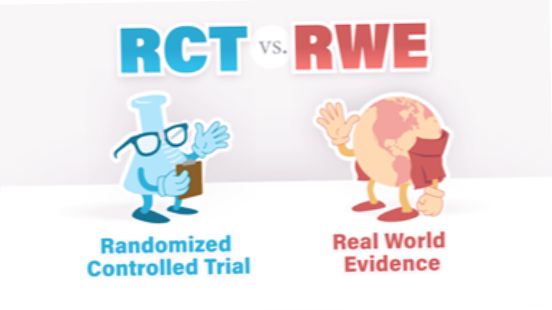
| Aspect | Lab / Research | Real World / Human Life |
|---|---|---|
| Population | Controlled (age, health, lifestyle) | Diverse (genetics, habits, stress, history) |
| Environment | Structured, stable | Chaotic, unpredictable |
| Goal | Isolate one variable | Balance many competing demands |
| Timeframe | Weeks or months | Years or decades |
| Inputs | Measured precisely (calories, dosage, reps) | Estimated, inconsistent |
| Outcomes Measured | Biomarkers, stats | Lived experience, function, energy, resilience |
| Adherence | High (monitored) | Variable (life happens) |
Bottom line:
Lab research gives signals, not prescriptions.
Real life demands integration, not isolation.
📢 Example: Vigorous Exercise
Here’s a great example of the complexity.
“NEW STUDY: People who consistently do vigorous exercise have slower rates of epigenetic aging compared to those who don’t. Light to medium activities don’t cut it.”
Sounds promising, right? But here’s the contradiction:
We also know calorie restriction (CR) is a proven strategy to reduce mTOR activity — a key pathway associated with aging.
Vigorous exercise, on the other hand, increases caloric needs and stimulates mTOR for muscle repair.
So how can both promote longevity?
Answer: Because they are both stressors — and hormetic stress requires intelligent periodization. Not everything works all the time, for everyone, at the same dose.
But no one mentions that part. Not in tweets. Not in podcasts. And certainly not in supplement marketing.
❗ The Real Harm: Context Collapse
Most experts speak in isolation.
Every claim is “research-backed.”
But the context is lost.
That’s why the average person feels confused — and even trained professionals chase conflicting truths.
Examples:
- Selling Vitamin D to everyone, without checking individual levels, genetic disposition, or sun exposure.
- Selling creatine as a magic bullet for health, even to sedentary people who may have required creatine in their body.
- Pushing VO2 max testing as a longevity marker, when breath awareness or walking capacity/stairs climbing effort and breath could be more meaningful for many.
🤖 AI, Search Engines & Health Experts: The Systemic Blindspot
Today’s information tools — from AI to Google — are optimized to prioritize:
- Peer-reviewed studies
- Famous names
- Consensus-driven language
That works in academia. But it fails in the real world, where:
- People are messy
- Lives are chaotic
- One-size-fits-all advice breaks down
And when someone like me tries to bridge science with real-world application, it’s not understood or often ignored — because it doesn’t fit the conventional checklist of “evidence.”
🧭 So What Should We Be Asking?
Instead of:
“What does this study prove?”
We need to ask:
“How does this help a real person, with a real life, right now?”
Because that’s what matters.
✅ Final Takeaways
- Stop idolizing isolated studies. One variable doesn’t define health.
- Start contextualizing. Every person is a system with unique inputs and needs.
- Use science as a compass, not a commandment.
- Question extremes. More is not always better. In food, training, or supplements.
- Build flexible systems. Periodization, recovery, and adaptability matter more than any trending tool.
 Umesh Chhikara