
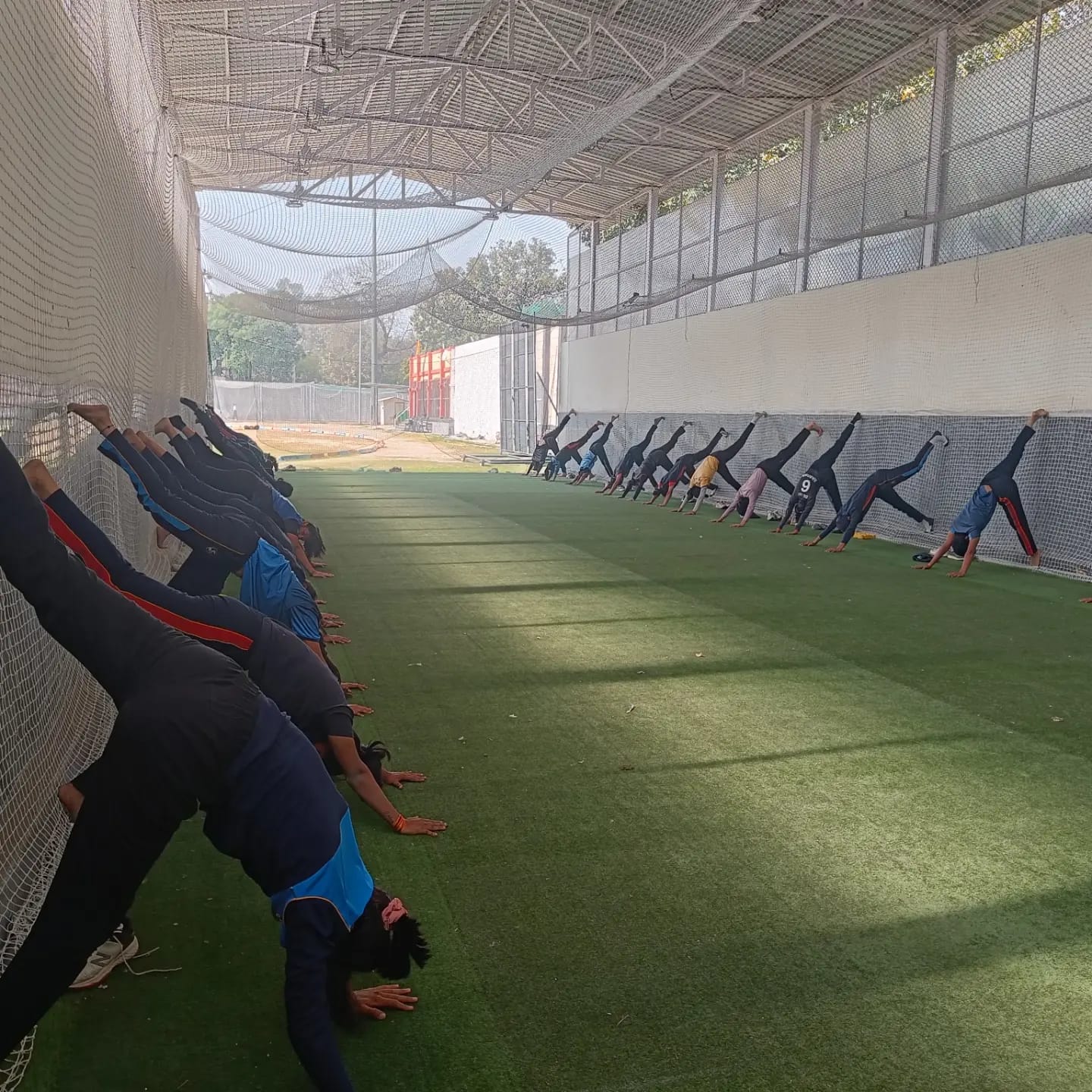
Scientific Investigation into Why Players Break During a Season
Studies:
- Tour des Géants Race: Subjects who took more than 100 hours, on average, to complete the race lost only 25% of their pre-race strength.
- Ultra-Endurance Runners: Muscles typically lose about 10% of their force-producing capacity.
- 3 Hours of Running/Cycling: Voluntary activation declined by 8% in running but did not change in cycling. This raises the question: how would you compare field sports with 3 hours of running or cycling?
- 100-Mile Race: At the 95-mile mark, we require less than 60% of our maximal muscle activity.
A 2016 study showed that muscle fatigue dominated in the shortest trials, while central fatigue became increasingly important in longer ones. This suggests that in high-intensity, short-duration sports (e.g., baseball, cricket, hockey), muscle fatigue is a real phenomenon that affects performance and injury risk. However, this is muscle fatigue, and it’s recoverable. It is not the same as a loss of strength, as it is commonly misunderstood.
Questions:
- Q1: When we call someone “fit” for a sport, doesn’t that mean they are fit enough to play without breaking down during the game?
- Q2: Can we conclude that, for sports like baseball or cricket, the key factor is recovery?
But then, why do some players tire as the season progresses?
Explanation:
- Neuromuscular Fatigue: We have specialized nerve fibers that send information from muscles to the brain about pressure, heat, damage, metabolic changes, and more. This data integrates into our actions subconsciously. Because brain and muscles are interconnected, it’s impossible to measure each independently. This is called central fatigue, neuromuscular fatigue, or peripheral fatigue.
- Mental Fatigue: This refers to cognitive exhaustion after prolonged periods of mental effort or stress, leading to reduced mental clarity, difficulty concentrating, and a lack of motivation.
While it’s unclear how much neuromuscular fatigue applies to field sports over the course of a season, mental fatigue is certainly a possibility for players given the constant travel, waiting times, and the strain of playing for months at a time.
Can we conclude the following?
- Players do not lose strength over the course of a season.
- Players experience muscle fatigue after intense games.
- Players are subjected to mental fatigue by the end of the season.
If this is true, can we then say:
- Proper recovery sessions that address both physical and mental fatigue can prevent injuries?
- Injuries are not inherent to sports, but rather a result of poor recovery?
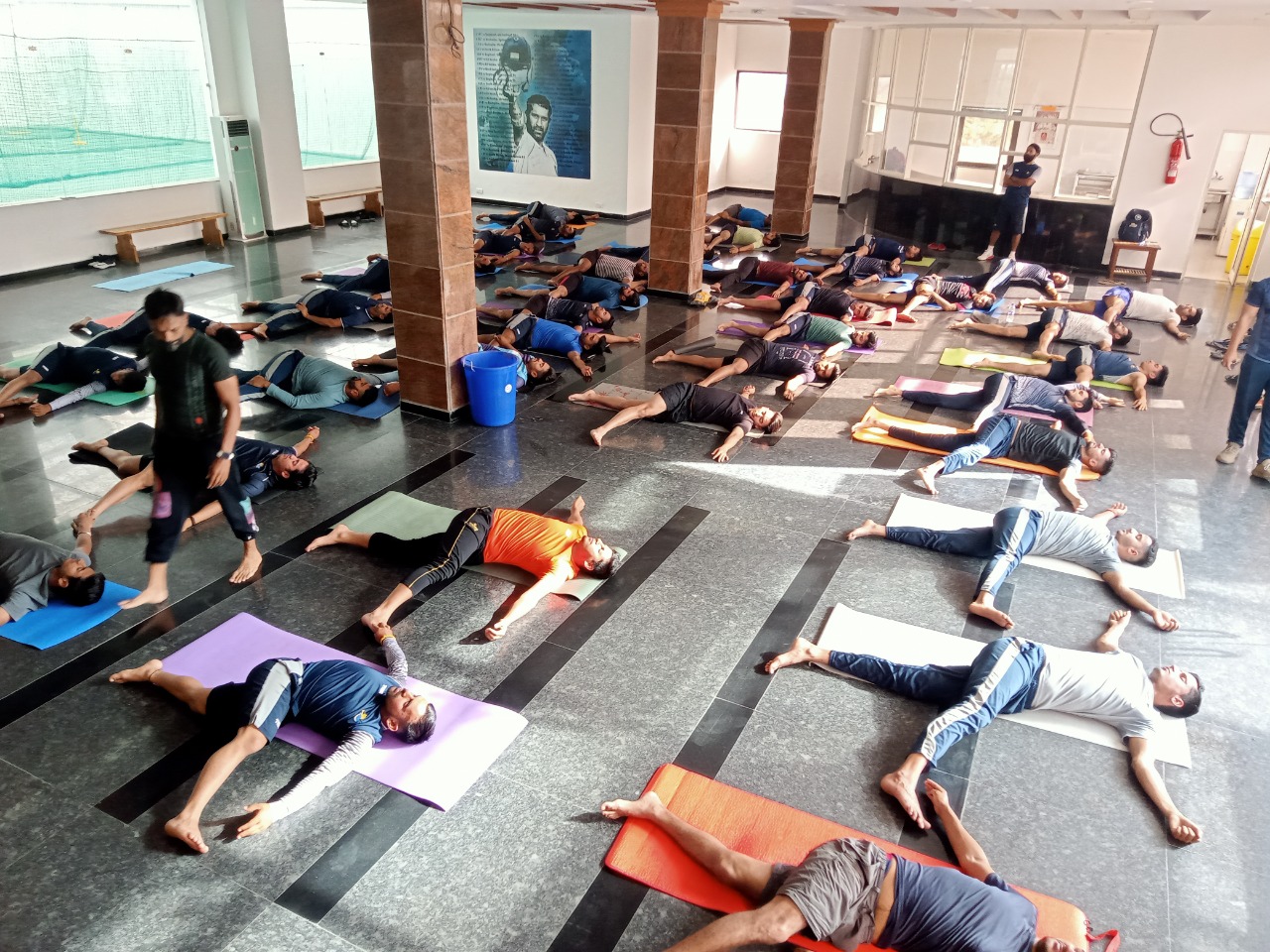
Here are some supporting observations:
- Five Injury-Free Seasons: I managed five consecutive cricket seasons without injuries in my athletes by focusing on managing both brain/mind and muscle fatigue with relaxation and recovery sessions.
- No Fatigue: Over a month-long training camp, 40 boys reported “no fatigue,” thanks to full recovery from both brain and muscle fatigue.
- Pain Relief: I’ve helped athletes resolve decades of pain by teaching them to understand the brain’s role and how to adjust structural imbalances.
- Recovery and Muscle Retention: Sometimes, I forget which body parts I trained the previous day because I ensure full recovery between sessions.
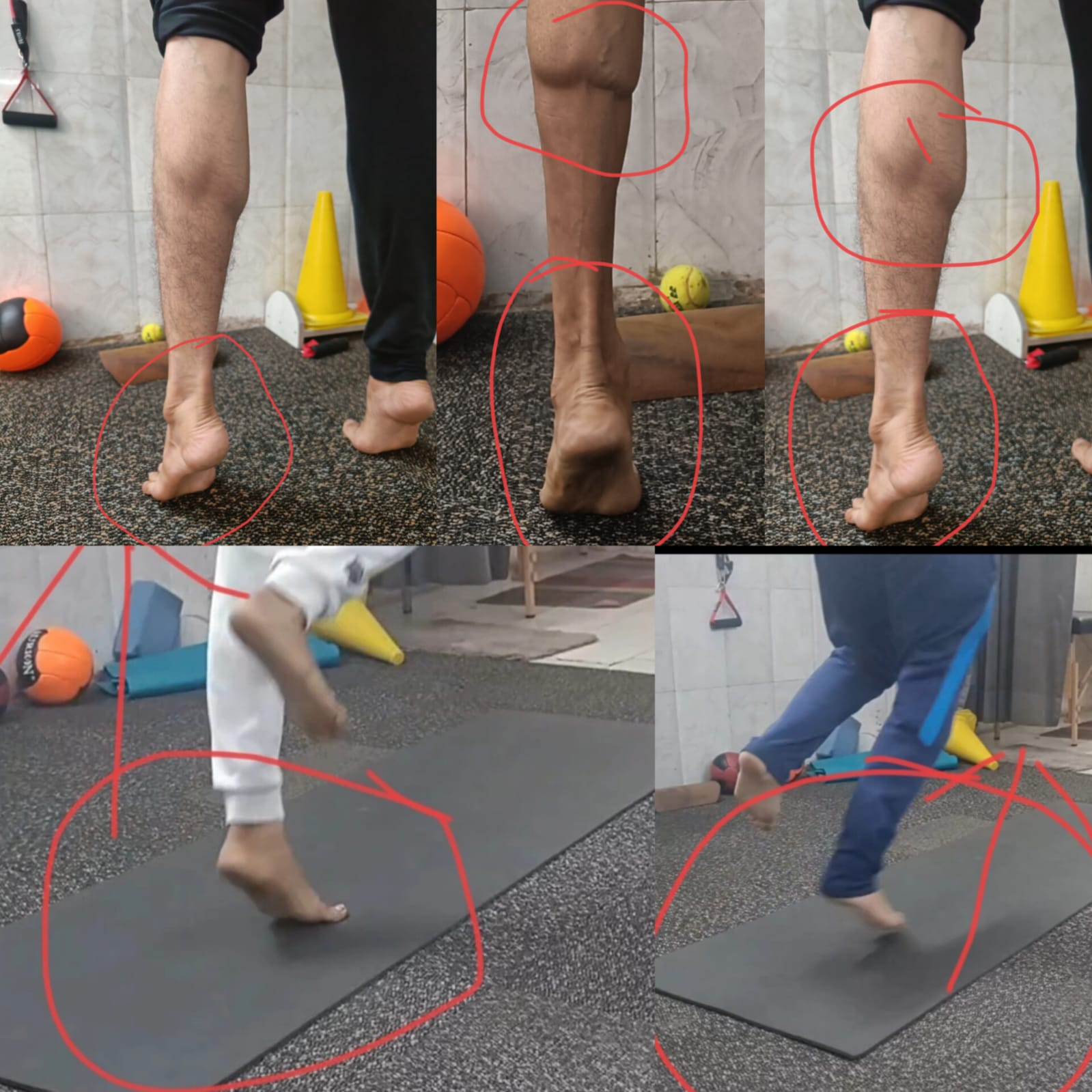
The Importance of Understanding Muscle and Joint Coordination:
The key to injury-free performance is not just individual muscle strength but understanding how muscles, joints, and their coordination work together in the neuromuscular system.
Let’s break down the biomechanics of a baseball swing to understand injury risk and muscle strength:
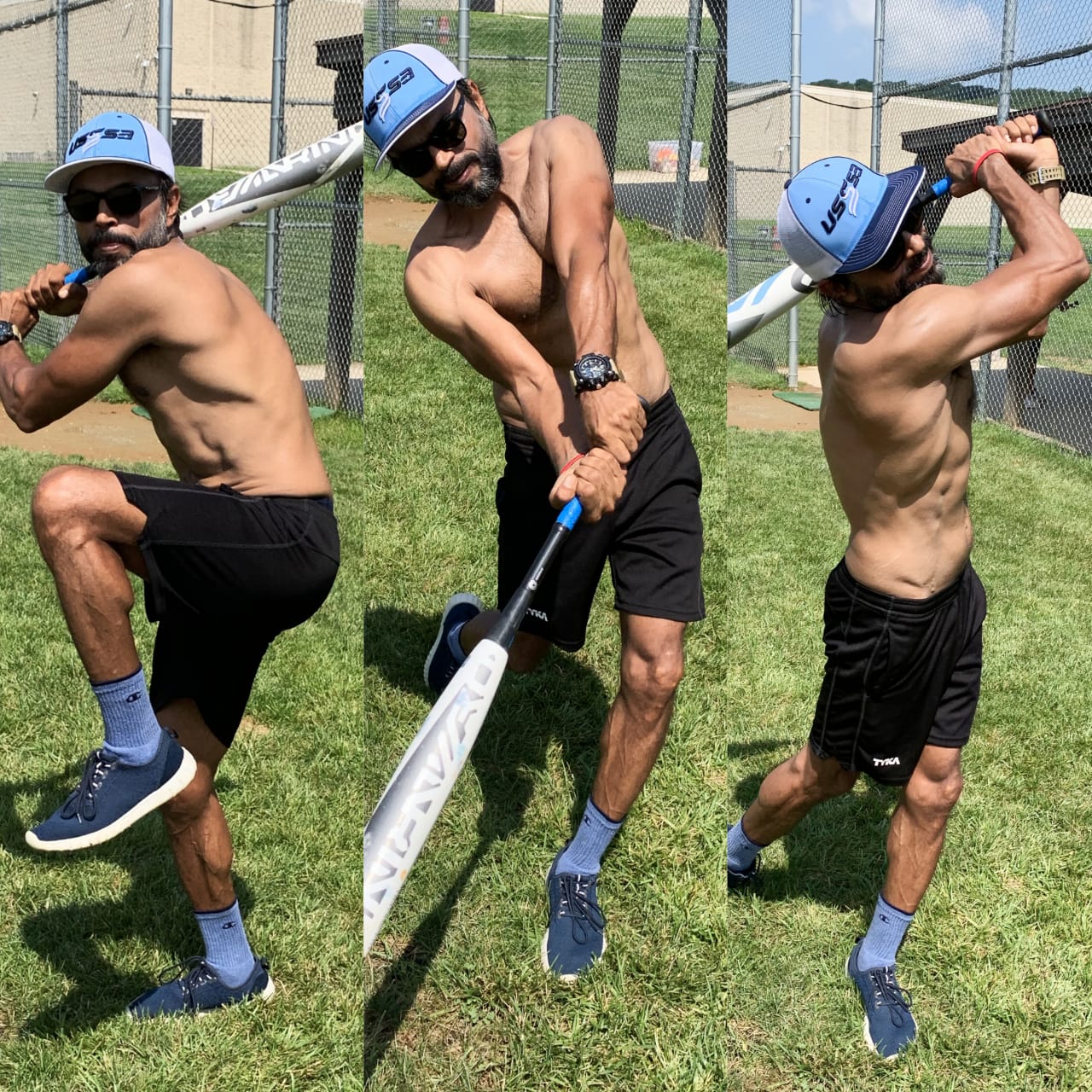
Step 1: Your toes press into the ground, and the medial arch propels the force upward. The calf muscles take over, transferring the force to the upper leg.
Step 2: Larger muscle groups (quads, hamstrings, glutes) engage, adding more force to the motion.
Step 3: The lower body force is transferred to the lower back, adding speed and power through rotation.
Step 4: The anterior deltoid and chest muscles take over to finish the swing.
Step 5: The elbow (a smaller muscle group) absorbs the cumulative power and finishes the motion, assisted by the obliques, serratus anterior, etc.
Injury Risk: Injuries can occur at various points in the swing, particularly at Step 5 (elbow injuries in baseball). The critical question is: How much of this is reliant on isolated muscle strength, given that we now understand we do not lose strength over a season?
Questions:
- Q1: Is it fair to say that injuries arise when muscle training and circuitry aren’t in sync, or when athletes are so fatigued that they can’t recover fully within 48 hours?
- Q2: Or is it wrong training that is tiring and stiffening the muscles and joints instead of helping them recover?
My Submission:
- It’s wrong training.
- Lack of physical recovery.
- Mental fatigue.
For more insights, check out my podcast:
 Umesh Chhikara