
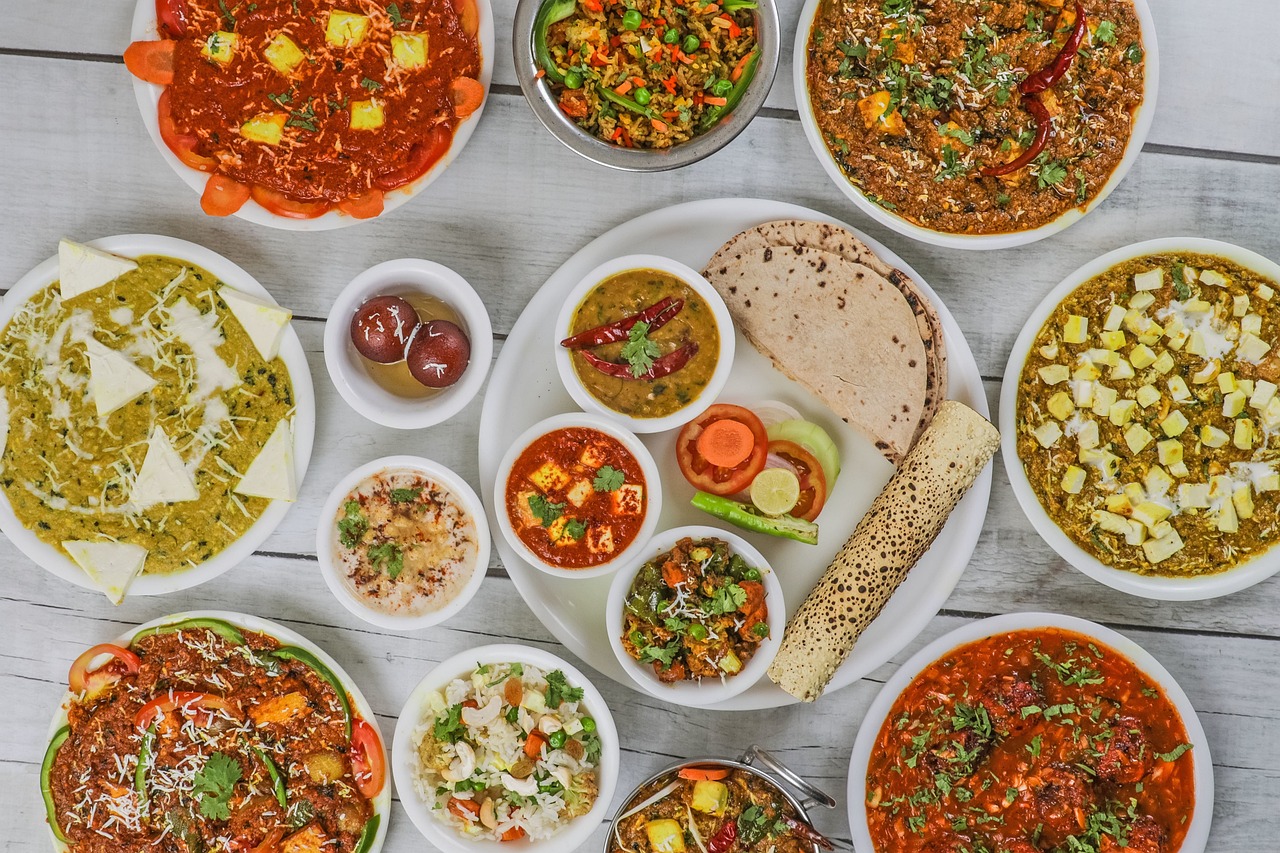
Rethinking Weight Loss: Why Calorie Deficit Isn’t the Full Answer, Especially for India
In a world where randomized controlled trials (RCTs) and scientific studies dominate the conversation about health, one claim is often repeated with confidence: “Cardio is essential for weight loss; it’s all about maintaining a calorie deficit.” But is this truly the case for everyone, particularly in places like India? Let’s take a deeper look at this assumption.
India, with its population of 1.4 billion, offers an interesting case study when it comes to weight loss. Of this vast population, approximately 30%, or 420 million people, belong to the middle class. But when we observe patterns around overeating and fat storage, some surprising trends emerge.
The Numbers Don’t Tell the Full Story
If we exclude men who drinks everyday; this is how it looks:
- Men above 40: Only 2 out of 10 tend to overeat.
- Women: About 1 out of 10 struggle with overeating.
- Older Adults (65+): Again, only 1 out of 10 overeat.
- Excess Fat: Despite this, 9 out of 10 people, particularly in urban areas, carry extra fat, especially around the belly.
These figures might be surprising. How is it that so many people carry extra fat despite only a small fraction overeating? It calls into question whether calorie deficit, the cornerstone of most mainstream weight loss advice, is the sole solution.
A Critical Look at the Calorie Deficit Concept
Here’s something that might challenge conventional wisdom: I help people lose fat not by drastically cutting calories, but by improving their diet quality, incorporating regular exercise, and sometimes using supplements. The reason? For many Indians, fat loss is rarely about simply cutting calories. There’s something deeper at play.
Magical studies that changed my thinking:
A 14 year old golfer lost 5 kilos in 5 days under me – I didn’t change or discuss his diet. Just trained.
An international cricketer lost 5 kilos in 15 days – in this case I provided him with the meals and he ate the same food as me at my home
Many of my clients—particularly those from Indian backgrounds—often face a frustrating cycle: after stopping a calorie-restricted diet, the fat seems to return almost instantly. This isn’t just a simple matter of overeating or calorie mismanagement. It’s about metabolic and hormonal factors that influence fat storage and loss far more than we often acknowledge.
Why Calorie Deficit Alone Doesn’t Tell the Whole Story
- Not Everyone Overeats:
If the majority of people aren’t overeating, how can the solution be centered purely on cutting calories? With 9 out of 10 people carrying extra fat but only a small fraction overeating, it’s clear that a more nuanced approach is needed to understand and address the issue of fat storage. - Metabolic and Hormonal Factors Matter:
Conditions like insulin resistance, poor mitochondrial health, stress, and hormonal imbalances can significantly impact fat storage and fat loss. In many cases, these factors play a much larger role than the simple equation of calories in versus calories out. - Diet Quality Over Quantity:
Improving the nutritional quality of food is critical. It’s not just about reducing calories; it’s about making better choices in what we eat considering what somebody is been eating to gain fat even if they are not overeating. The nutritional value of what’s on your plate and timing matter just as much, if not more, than the number of calories it contains. - Sustainability is Key:
Diets focused solely on calorie restriction tend to fail in the long run because they often don’t address underlying metabolic issues. This is why so many people experience rapid weight regain once they stop dieting. A sustainable approach is needed—one that considers long-term metabolic health rather than short-term calorie cuts. - Cultural Context and Dietary Patterns:
In India, traditional diets are often high in refined carbohydrates (think white, rice, bread, and sugary snacks) and low in protein. This dietary pattern can contribute to poor metabolic health over time, even if people aren’t necessarily overeating. It’s crucial to address these imbalances for sustainable fat loss, rather than solely focusing on reducing calories. People have lost kilos in few months just by dropping wheat or bread in the morning.
The Bigger Picture: A Holistic Approach to Fat Loss
While calorie deficit remains an important principle in weight management, it is not the only factor to consider—especially in contexts like India. For many individuals in such environments, the key to fat loss lies not in cutting calories alone, but in improving metabolic health, optimizing diet quality, and addressing lifestyle factors including movement.
Rather than simply focusing on calorie restriction, the approach should shift towards platter changes, exercise, and supplementation—a more holistic and sustainable strategy for fat loss. These factors work together to support long-term health and weight management, addressing the root causes of fat accumulation rather than just the symptoms.
Conclusion
So, while the calorie deficit model might work for some, it’s important to recognize that it doesn’t apply universally. Especially in populations like India, where overeating is not the primary issue, we need to rethink the standard weight loss narrative. The solution isn’t just about eating less—it’s about eating better, moving more, and understanding the complex interplay of metabolism, hormones, and lifestyle.
For many, fat loss is a multifaceted journey, and it’s time we approach it that way.
For more insights, check out my podcast:
 Umesh Chhikara