
To the Cricket World,
Despite my efforts to shed light on crucial aspects of injury prevention in cricket, I have found my research largely overlooked or disregarded. Years ago, I penned articles discussing the potential correlation between cricket spikes and hamstring injuries, as well as the risks associated with weight training for cricketers which is related to injuries in cricket. Unfortunately, there was minimal engagement or acknowledgment from the cricket community, while scientists outside of cricket recognized the significance of my work.
It’s worth quoting that both these science backed research articles were/are the first to investigate the potential role of spikes and weight training on injuries. So perhaps it was new for everyone.
However I find it puzzling how little attention was given to this matter, especially in light of the evidence I have consistently presented year after year, accompanied by scientific explanations that clearly demonstrate what has proven effective. I have referenced numerous studies, ranging from n=1 to n=40 to n=20, conducted in live environments. Through five seasons/5 years, I successfully guided teams without a single injury occurring under my supervision. Yet, this could not raise any awareness in the cricket world.
Worth quoting that it was almost certrain that injuries resurfaced upon my departure from certain age groups the following year. The same bowlers who had played matches under my guidance suddenly started experiencing injuries. Once again, there was no recognition or discussion about these occurrences.
WHY?
Today, I humbly seek knowledge as a student eager to understand the intricacies of quadriceps injuries in cricket. Its beyond me that how is it possible for a batsman to sustain such significant injuries, forcing them out of tournaments like the IPL or test series? For an injury to occur in a muscle group like quadriceps; we need heaps of stress from a weirdest postural nuance which would fall under accidental category anyway. I am concerned in general with quad injury but more so when it is non-contact.
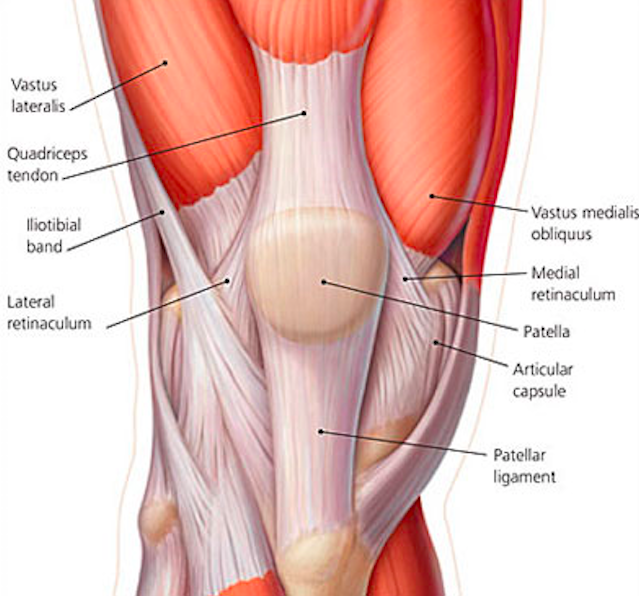
My analysis leads me to question my science wisdom. Real-time movements on the cricket field, including running, sprinting, fielding actions, batting techniques, and even bowling, seem unlikely to cause such severe quadriceps injuries without compromising the knee joint. Whereas, looking at the anatomy at knee joint, there is no surprise that one breaks their ACL/PCL or collateral ligament or damages any tissue or effect pes anserine (where 3 tendons merge) before it could impact quadriceps muscle.
Ques: Then, what causes quadriceps injury?
My hypothesis: It is evident that stress such as weighted squats and resistance training preceding matches may contribute to muscle fatigue, affecting the muscle’s ability to recoil efficiently or impacting the tension on the tendon (pull on the bone in a circuitry rhythm) can cause stress to a robust muscle like quadriceps. Furthermore, inadequate warm-up routines, particularly those utilizing bands or foam rollers for minimal durations, may exacerbate the risk of injury. Ironically quadriceps is one of the stongest muscle groups in our legs and this is why we see more hamstring, adductor, or ligament injuries than quadriceps.
To understand this better, lets look at this free weight squads video and analyise: a) the load on quads, and b) what could happen to the muscle if we load it previous day and then expect it to suddenly take off on field. 90% of the times it may not trouble you. But in sports we need 100% because injuries don’t such shorten careers but it effects your form/rhythm as well.
I implore the cricket community to acknowledge the importance of understanding injury fundamentals. Not accept injuries to be a part of game! There has to be reason for an injury. Always.
Without addressing these underlying causes, injuries in cricket will persist unabated regardless of your robust medical staff. They can only treat the symptoms and that’s what their job is to do. We need to look deeper to understand the intricacies of cricketing movements and demand.
It is the responsibility of scientists and passionate scholars to call out flawed practices, while the cricket community must heed this evidence to prioritize player safety.
You may have ignored my efforts in the past, and you may choose to do so again today. However, I wont be wrong if I assert that without a comprehensive understanding of injury fundamentals, efforts to prevent injuries in cricket in my opinion will remain futile. Its my effort to bring your attention to question the injuries.
Submission: Although injuries can occur to anyone, it’s important to engage in practices that minimize the risk of injury and avoid escalating the likelihood of experiencing one. Do not invite injuries and then blame it on sports.
You may wonder what prompted me to write the above two research articles that started my journey as a researcher? It was hamstring injury & reinjury to Michael Clark that shrotened his career that made me frustrated and curious many years back.
For more insights, check out my podcast:
 Umesh Chhikara