
#biomechanics hashtag#shoulderinjury hashtag#rotatorcuff
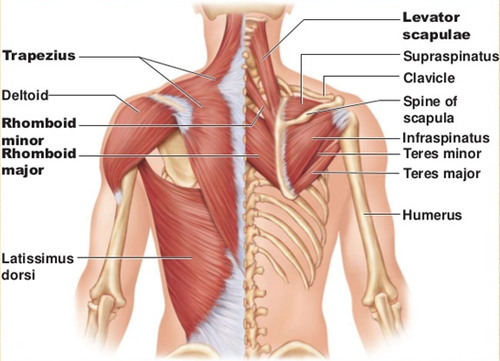
How can LAT pull-up exercise can provide us valuable insights into the condition of your upper back in top athletes? Identifying the activation of specific muscles in well-built athletes can be challenging due to their muscular development. While these structures are helpful to understand anatomy, they may not reveal the subtleties of movement or biomechanics. Let’s examine a picture and dissect the upper back muscles in a LAT pull-up exercise to explain how it serves as an excellent tool for assessing upper back health.
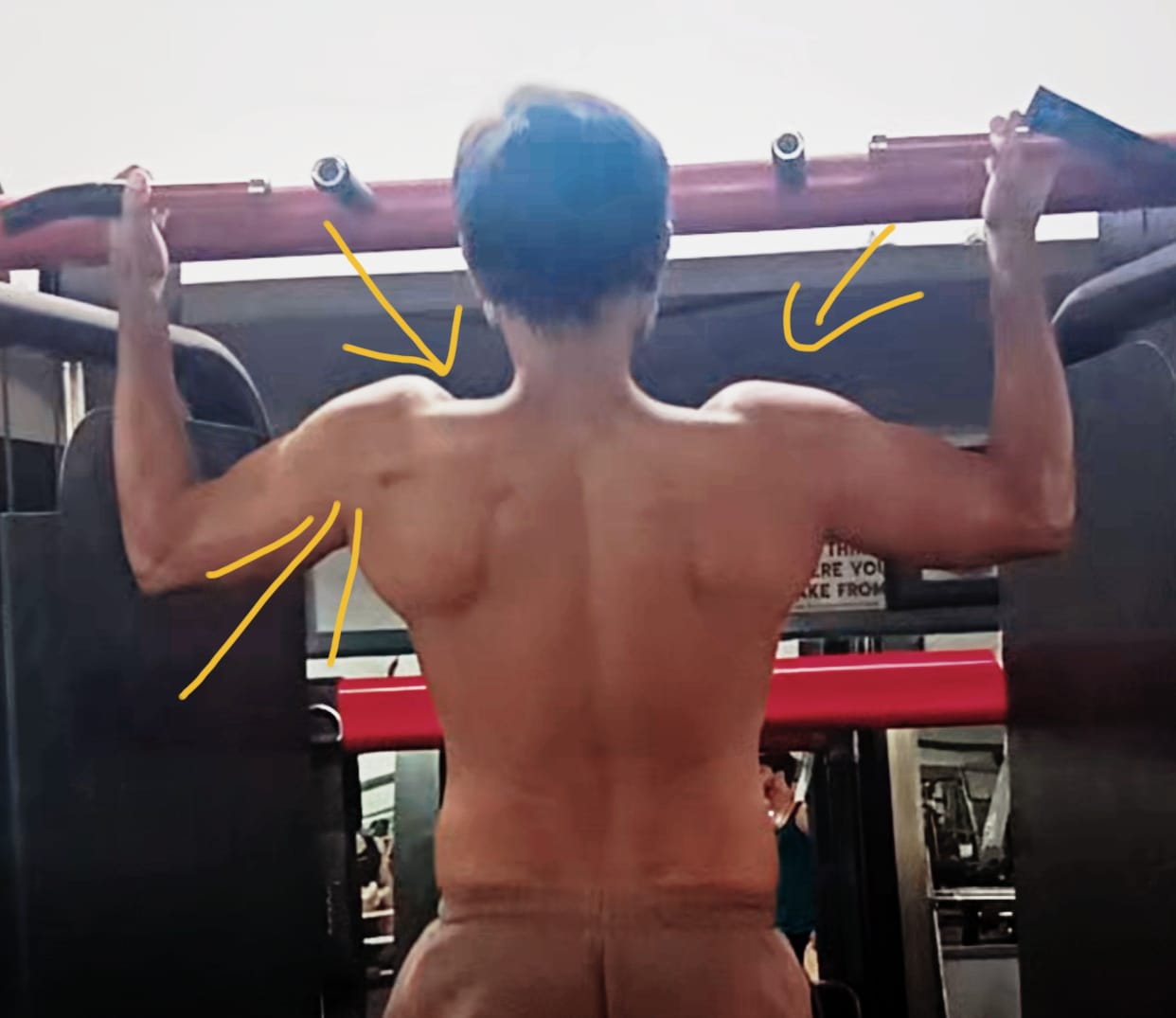
Our upper back plays a crucial role in generating power for various activities such as baseball pitching, fast bowling, throwing, tennis, and other sports. However, not everyone can generate the same power or avoid injuries in this area. Let us understand what brings complexity in this region and how muscularity directly impacts the mechanics and eventually power generation regardless of their size.
Look at the picture and you will observe the following:
Deltoid (shoulder)
· Medial deltoid: Contracted
· Posterior deltoid: At rest
Trapezius
· Upper trap: At rest
· Middle trap: At rest
LAT and Teres Major: Contracted/in action
Rotator Cuff muscles: Activated
Neck: Relaxed
What does this all mean? The best way to grasp this concept is by capturing a picture of yourself or one of your athletes performing LAT pull-ups. Depending on the type of athletes you work with or your training style, it can be quite challenging to find the ideal muscle engagement frame in a LAT pull-up. Many individuals tend to engage their upper traps in a LAT pull-up even when the scapula is downwardly rotated. Another common issue is the activation of the posterior deltoid, which is not supposed to contract in this exercise.
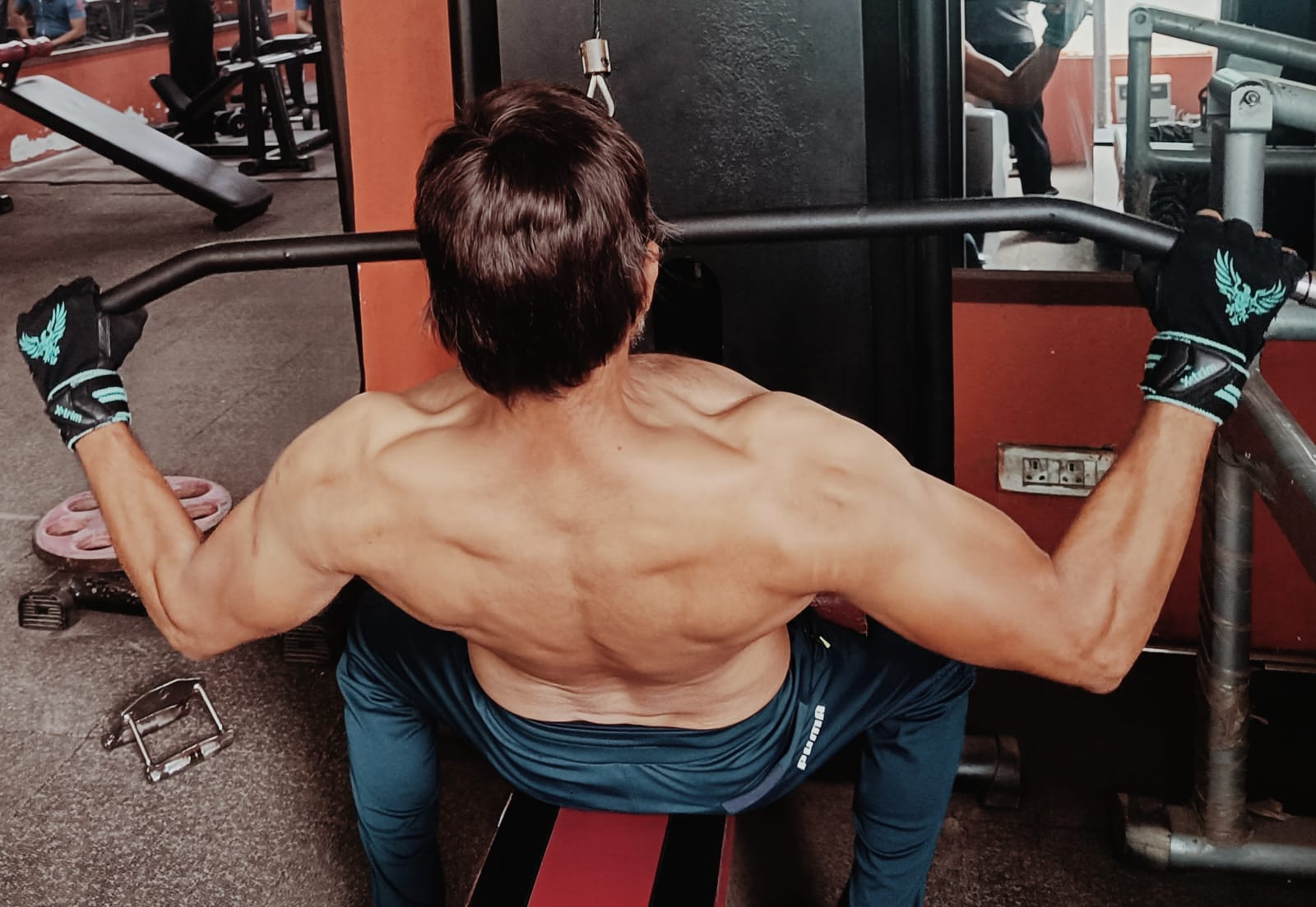
You might dismiss this picture as ordinary if it’s placed among well-built structures. However, from my perspective, it’s exceptional. Why? Try to find a picture in this LAT pull-up position with such relaxed upper traps and posterior deltoids, and you’ll have earned the right to overlook it.
Why is this important?
– to generate maximum power
– to stay injury free
– to be energy efficient
 Umesh Chhikara