
Question: Who Am I?
Ans: For the purposes of this article, I am someone who has a track record of producing injury free teams through domestic seasons for 5 continuous years. Yes, not even a single injury. So I guess I can explain how I kept the team injury free. (https://umeshchhikara.com/about/)
I recently came across a well-written article that delves into the topic of injuries and workload in cricket. It’s not just the opinion of the author or a few professionals; it reflects the collective thinking of the entire cricket community. In this discussion, we will thoroughly examine each point highlighted in the article and analyze it from a scientific perspective. I am confident that you will find logical reasoning in the scientific explanations provided below.
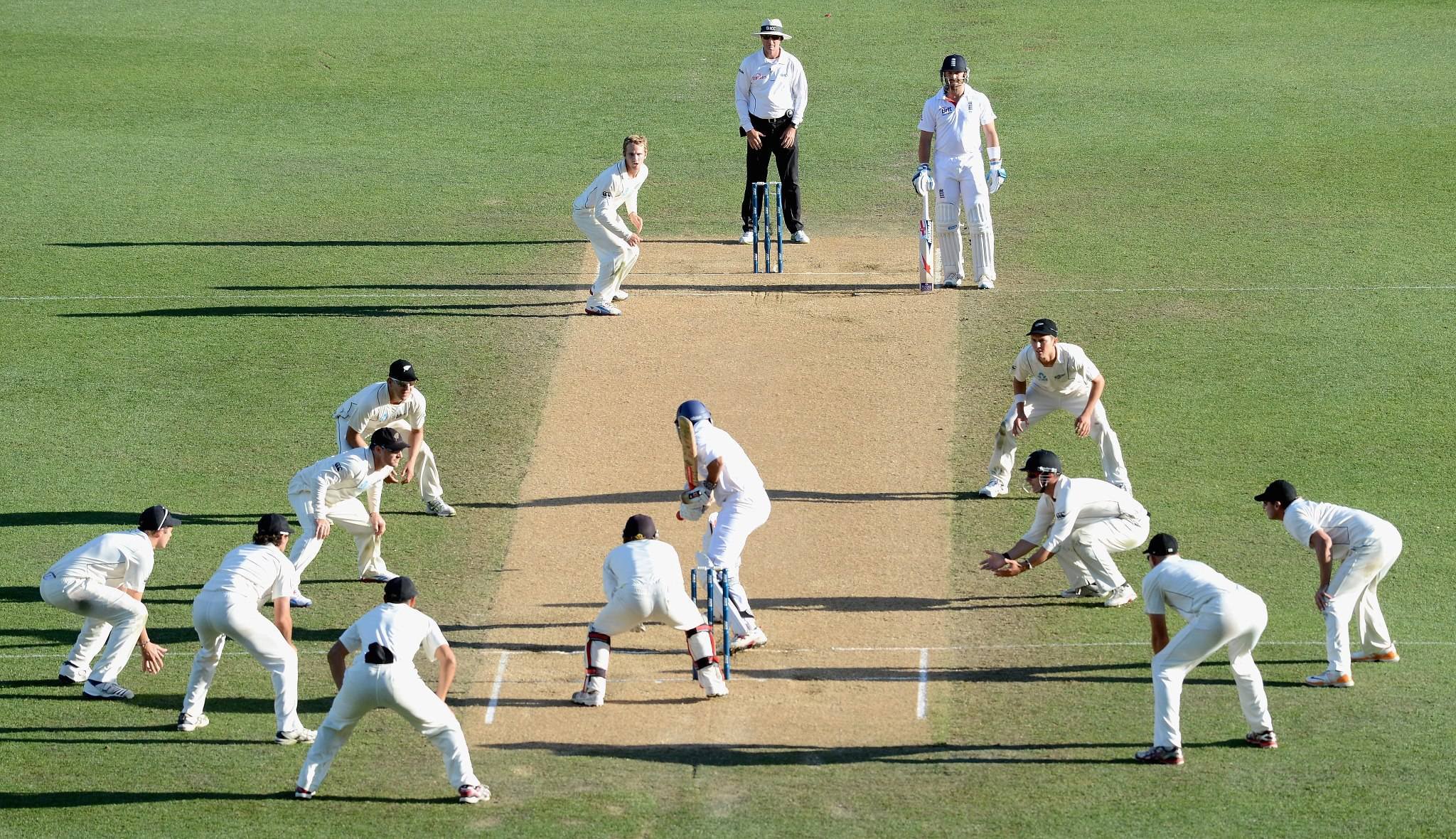
Question: Looking at above picture which part of the anatomy do you think a cricketer trains at the gym?
We factually does the opposite! Look at these structures would you advise a squat or back extension? #irony
Here is the article:
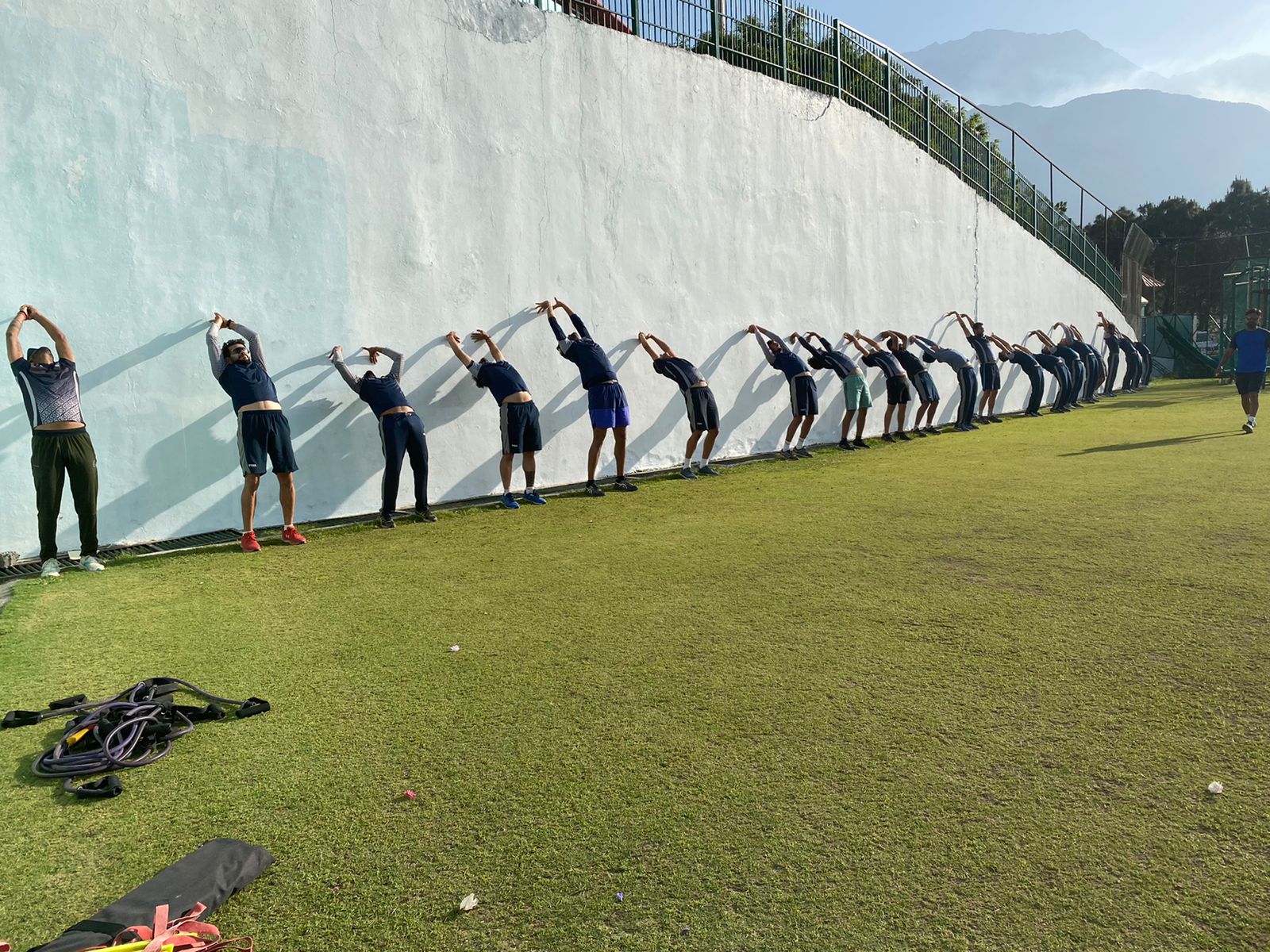
Point 1: The author, also the views of various professionals, suggests that stress fractures can be the result of bowling less in the nets.
Science: STRESS fractures are not solely caused by bowling less. They occur due to inadequate training that fails to facilitate/aid the skill set. It is essential to prepare the body for the specific demands of bowling, and it is the quality and effectiveness of the training that displays whether the body is adequately prepared for bowling in this case.
Analogy: A runner will not pull his hamstrings if he is running twice a week instead of 4 times a week. He can tire faster if he hasn’t developed the stamina. But breaking apart is not even remotely possible if he is a genuine runner. Yes, improper warm-up can cause a niggle, but for an injury to happen, the musculoskeletal system has to be met with something sudden and highly stressful when it’s not ready.
Irony: A cricketer can pull their hamstrings while chasing a ball or even fall flat on the surface while bowling because their back gives up. But how? And why? There has be a background to an injury! There has to be some scientific explanation to an injury. In cricket, we are not used to of questioning an injury surprisingly.
Note: if I prepare my body like a swimmer and expect myself to do well in football then I am wrong regardless of how much am training or playing. Likewise, if you train to only to gain strength, then you are not training to be a fast bowler. You are WRONG and so is everyone supporting this notion. Think of optimising existing strength.
Advise: Stop looking for intra-muscular strength. Start looking inter-muscular power transfer and sync it with real time movements on field.
Point 2: The author highlights concern regarding workload and as per him and others, the current workload of fast bowlers is way less and therefore, their bodies are not getting adapted to the demands of the game?
WORKLOAD: reducing bowling workload may be a strategic approach to balance the overall load imposed on the bowlers body, particularly when combined with resistance training on non practice (even on practice days) days by trainers. This is good as it helps manage the stress on the bowler’s musculoskeletal system. If you are looking at this on a scale of load then well done; the load is managed well. However, simply balancing the load is not sufficient. Cricket movements involve intricacies that require attention like running, change of direction, agility, jumping, etc. etc. How are players getting training for field and skill movements in the resistance training? No wonder they are pulling their muscles while running being an athlete.
Science: Gym training is vertical (frontal plane) and requirement on the field are both horizontal and transverse plane. Researches have clearly indicated that frontal plane training doesn’t transfer to performance in horizontal or transverse planes by default.
Common sense: Visualise a player doing squats or olympic lifts or shoulder press and then visualise the same player fielding, throwing, falling, skidding, etc. You will get an answer without delving into science.
Point 3: The author then compares previous generation cricketers with existing cricketers?
Comparing cricketers from earlier generations with current cricketers is wrong on two counts:
1) The earlier generation played significantly fewer matches, resulting in a lower overall yearly workload. Some may argue that this explains their ability to bowl long spells, but that’s not the case. Why?
Because they used to play the entire season in one continuous stretch even if the matches or formats were less; the load in one stretch was enough to break any bowler (of current times) from anatomy perspective. If any injury was to occur, it was more likely to happen during that extended period of stress. Unlike animals that store food in fat reserves for the winter, our bodies don’t operate the same way. Our bodies can recover. Recovery essential means recovery of muscles and once this happens, there is no memory of previous load on musculature.
Example: Fast bowlers in India start breaking from one day matches that are played before Ranji trophy. Then they continue in fatigued state/rehab counting the overall load of season. You can’t blame the load when you are broken mid way through a season.
Mental fatigue:
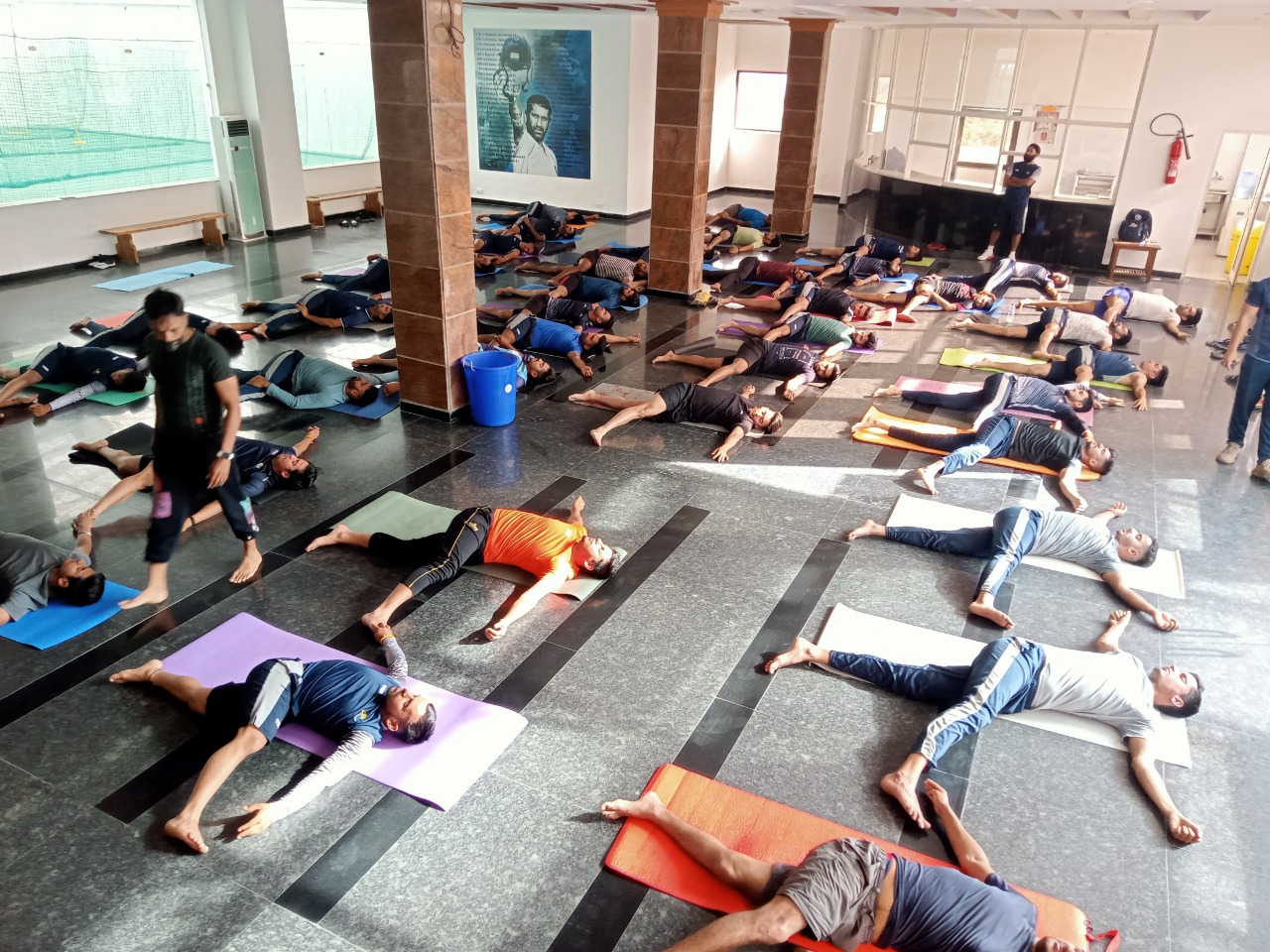
Current cricketers do receive regular breaks between series, which can be sufficient for their bodies to recover physiologically. However, mental fatigue may still play a role, as the demands of international cricket can be mentally taxing. However, if the desire to represent their country drives players then there can’t be any mental fatigue. It is the physical stress that cause mental fatigue in most cases. Physical stress lead to fatigued bodies needing rest or injury. Earlier generation cricketers always trained athletically (at least in India) and made themselves efficient at bowling and this is why they could ball more.
For sure, travelling, changing hotels, bus rides etc, play a key role as well in mental fatigue but just like how we take care of physical stress by doing recovery sessions; a relaxation session & little breath work can handle the mental fatigue. Its doable.
Point 4: The author highlights the importance of more practice for rhythm and because current cricketers do not ball enough in the nets, they take time to get into it?
Rhythm – I do this all the time and I am willing to prove it anytime if anybody doubts this. How about a research? Anybody?
Study: Bowlers in my camp of 21 days bowled twice – 2 net sessions, to achieve their best pace on the last day – their 3rd session, further producing best rhythm & best pitching (to the entent that some bowlers were asked to not bowl bouncers). It doesn’t end here. Every bowler bowled their maximum number of overs after 10 days post camp in their days games. It was astounding to see these results. So, in my view, training, recovery session, and warm up handled the rhythm for my bowlers and it always does in all my practice sessions regardless of how long is been the break for a fast bowler. #evidence
During seasons I had requested coaches to give break to some bowlers who eventually outshined (in one case he became highest wicket taker in days cricket season playing one less match than anybody else) their last performance after resting for a game and making their bodies fully recovered and trained for the next game.
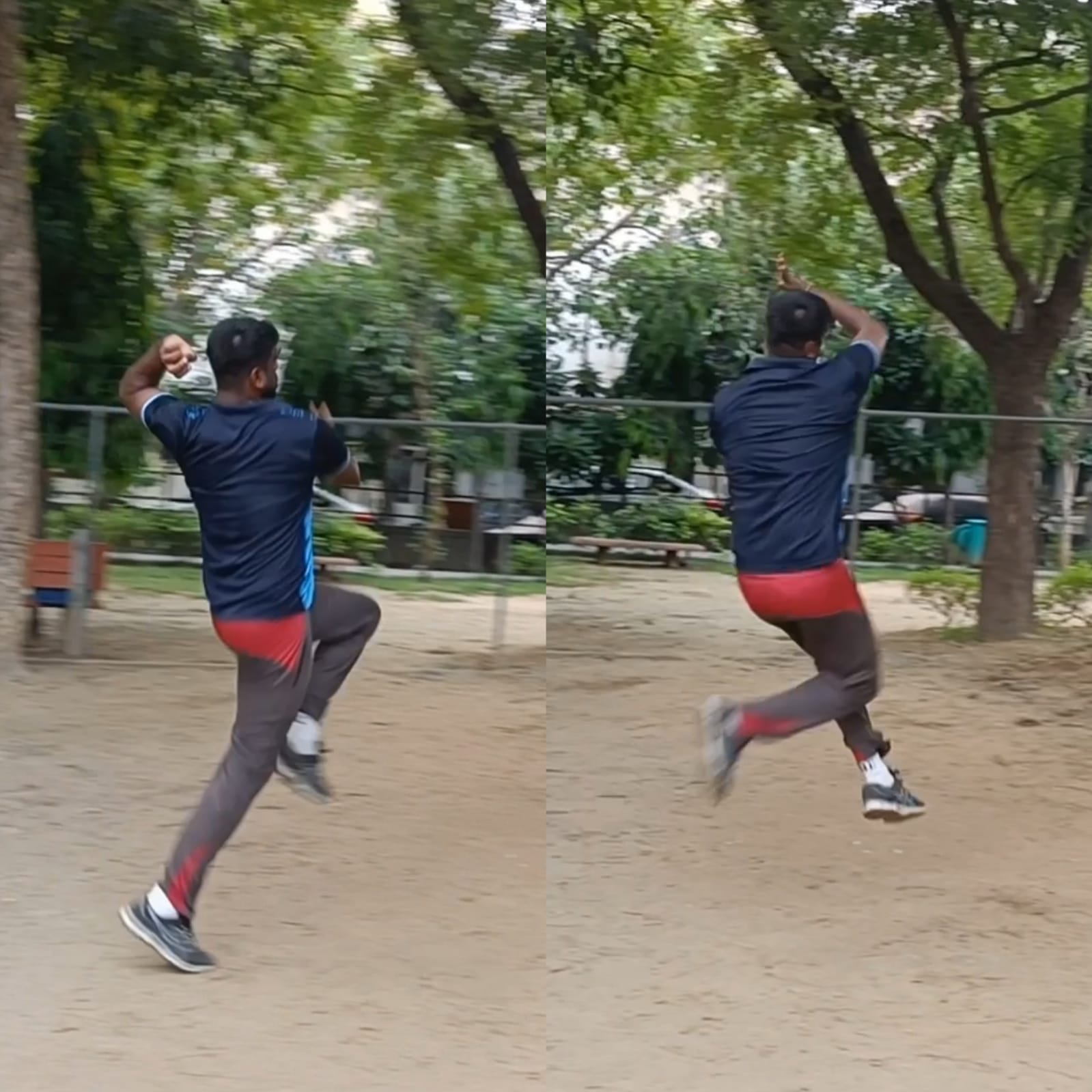
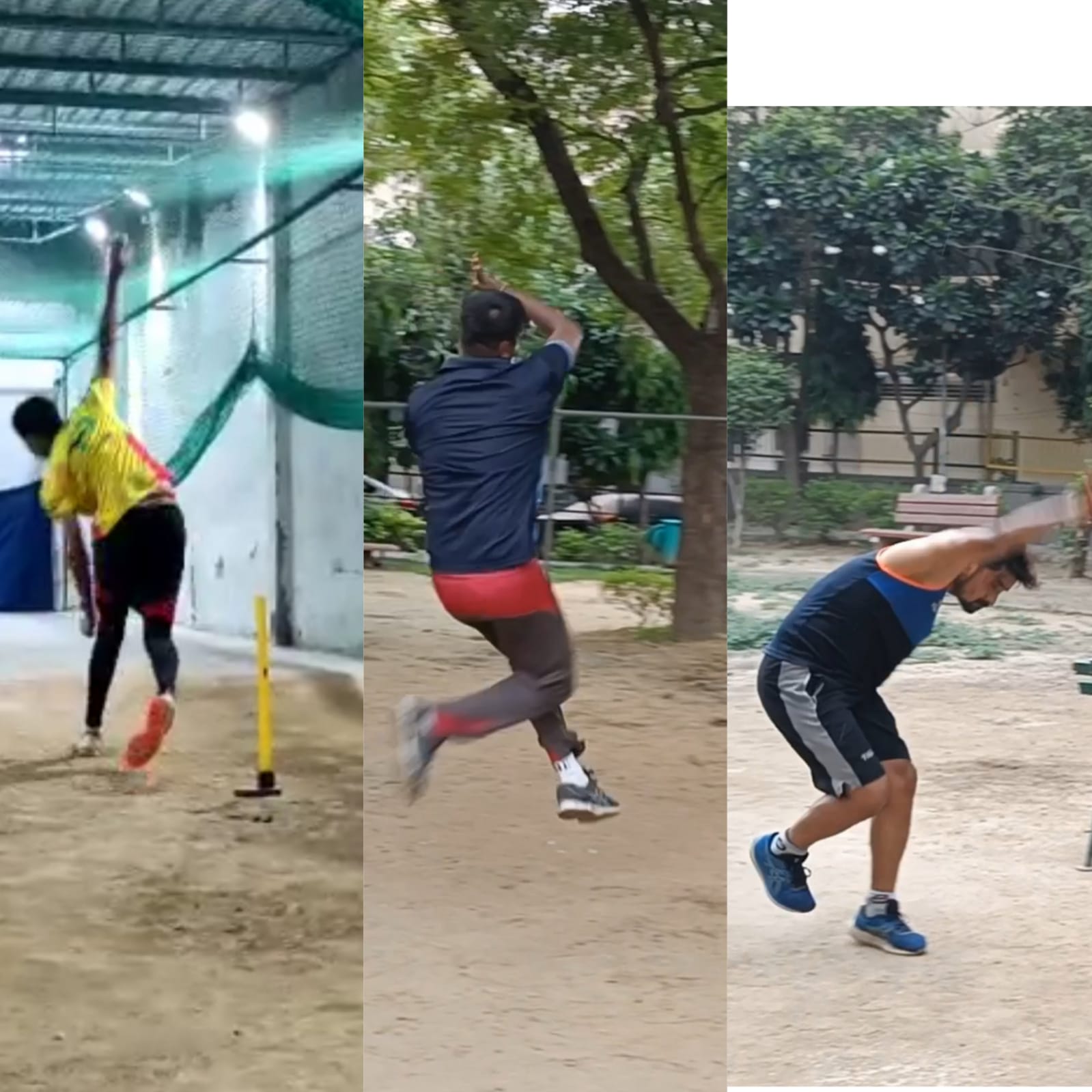
Below is a picture that depicts the nuances of fast bowling and how different their anatomy functions. So there gotta be different training methodology, relaxation strategy, therapy, etc attending to their body requirement. #logical
And this brings me to importance of warm up that nobody discusses or even mention.
I am all ears if anybody can explain to me the reason for KL Rahul and Kane Williamson injuries. They are as fit as it gets. As agile as a cricketer should be. As sincere as any cricketer in the world. Then WHY?
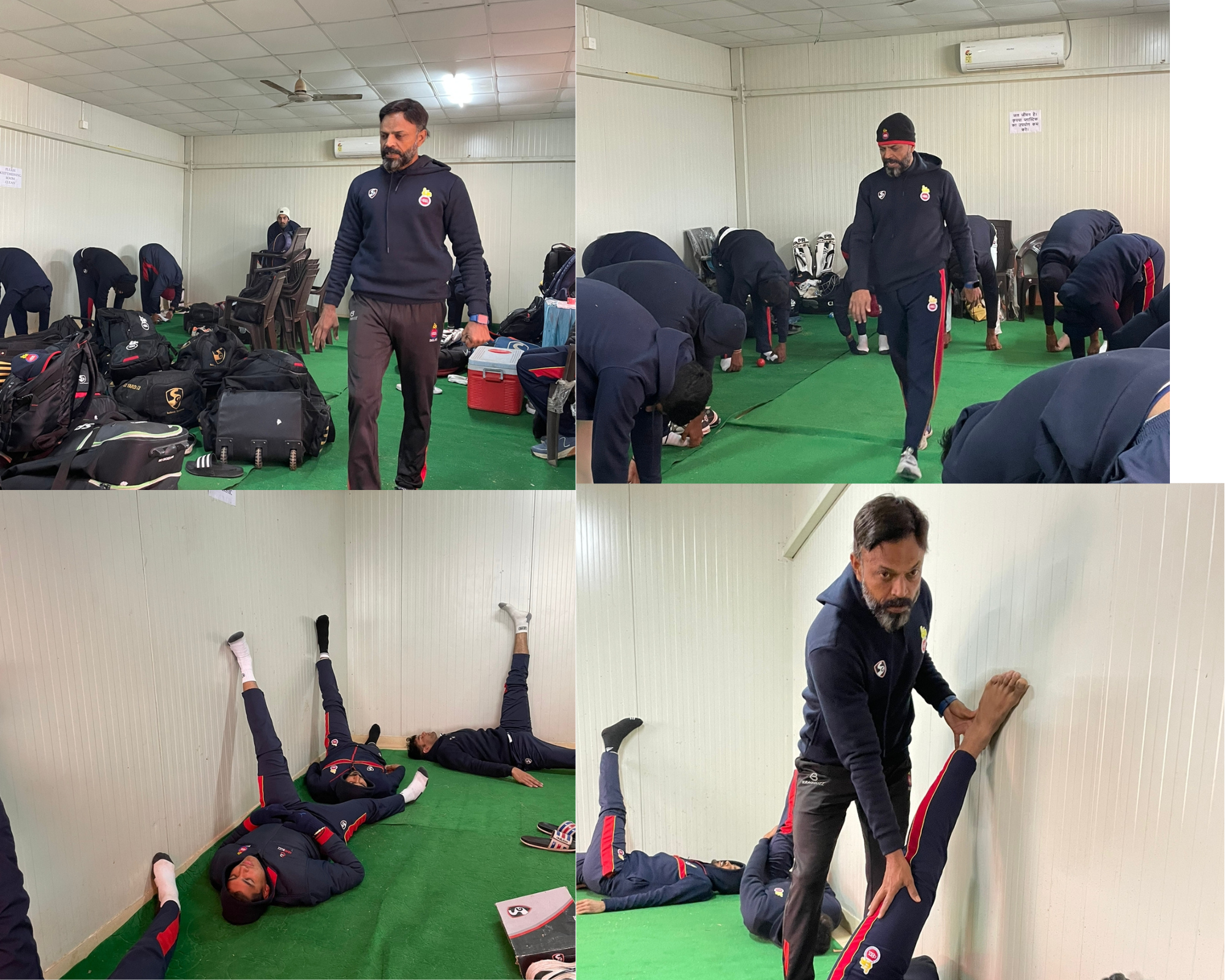
It is improper training followed by improper and short warm up especially if you have trained at the gym the previous days leading to the game then you need proper warm up. You need More warm up! No foam roller can warm up your hamstrings after squats! People mistake slight release of muscle as recovery. Its for players in rehab.
Advise: Stop using bands, foam rolls, or any fancy prop for warm ups. Get on the field and train the body for what you will ask of it in real time.
Point 6: Lastly, the author points out the flaw with existing workload regulations of bowling only specific number of overs?
Workload for practice: Our bodies are highly individualistic, anatomical dispositions, and factors such as stamina, training capacity, warm-up time, and the desire to bowl can vary from one bowler to another. It is important to recognize and respect these individual differences when managing workload and practice sessions. Some bowlers like to bowl because they become efficient at it or they are natural. So you wont fix anything if you understand this simple science. Some bowlers may have a natural rhythm and find it beneficial to bowl extra if they are enjoying it without experiencing negative consequences. It is training for them and so it should become for every bowler at some point.
In the end – its not WORKLOAD!
Fast Bowler Breakdown: Jofra Archer, Jasprit Bumrah, Shaheen Afridi, Kamlesh Nagarkoti and more
https://youtu.be/x7Y-sT0AErs
For those who like to hear me:
 Umesh Chhikara
Sir,
You mentioned about Kane Williamson’s ACL injury. Should we relate that particular injury with fitness or the improper landing position? As we see the fittest population in the power and speed based sporting world are Football players and they also sustain ACL injury if they caught up in situation like twisting their knees while landing in an improper position. I understand that training can avoid injuries but not 100%.
Regards,
Good point Rahul. However the irony is that his landing was perfect. Have a look at the video and explain to me how his landing was improper. If at all, it was the perfect jump and even more perfect landing. Looking forward to hearing from you…..
What I observed just before his landing his Center of mass was far away from his base of support and as soon he landed some valgus happened which further lead to the rotation in his knee. And as per the proper landing mechanics as far as my little knowledge is concerned, COM has to be around the base of support and knee should align the toes. Being the reason behind that thought that his injury was due to the bad position. However, other contributing factors like fatigue may also be considered for his injury during the game.
Good point again Rahul. You are right however you are looking at from perhaps a doctors/physios angle.
When I look at it as a movement and biomechanics specialist this is how it looks to me:
I could only find this video: https://www.youtube.com/watch?v=0wFA-c0rpeE
Stop the video exactly at seconds mentioned and you will be able to understand the written better.
1) Perfect jump (@53 seconds) – his legs absolutely balanced and his body weight falling outward. Where his right foot is trying to stop the movement to stay in air for more time, his upper body is ensuring it stays in line to catch the ball. So he is using his lower and upper body perfectly as per biomechanics.
2) Landing (@24 seconds) – Now his right leg perfectly straight goes down. His upper body straightens out to balance. If you stop the video at his right foot touching the ground, you will see a beautiful straight well balanced leg and structure.
Both the above lays the foundation for landing.
3) Final Weight transfer on the right leg is where valgus force comes into play. Right?
Now kindly look at top 5/10 flying catches of IPL and carefully look at their take off and landing. Real time field movements are different to gym movements. On the field movements would always have a component of valgus or varus; eversion or inversion; hyperextention or super flexion. However we have proprioceptors to do the work for us.
In movement the foundation matters the most. Like in case of Kane his foundation is perfect and therefore his entire body is falling in line for the jump biomechanically correct.
Example: how can we run in the mountains or rought trails if we were to not leverage the valgus and other dispositions to facilitate tricky/unstable movements.
So if his knee ligament was not able to take the load because of valgus force then its a problem. If injuries start coming from such beautiful jumps then god saves cricketers or footballers or basketball players. During a warm-up, engaging in drills that involve dynamic movements and active stretching stimulate and activate the proprioceptors as well besides training the ligament to leverage its elasticity and training the surrounding muscles for the movements. Considering loading of the ACL may occur in multiple planes, as anterior tibial translation, knee valgus, and lower extremity rotation all increase the amount of load on the ACL; a proper warm is essential if you were training the musculature only in front plane of motion. Ironically its the only plane we do not use in cricket on field.
Notes for you if you like to study:
Proprioception involves joint position sense meaning awareness of joint position and detection of motion. It is mediated via various receptors – mechanoreceptors.
Ironically sir, we do not train for bad positions in the gym but at times during games as per the demand an athlete’s body trapped in a compromising position which may lead to injuries. Moreover, even if we get to train our athletes in any of the plane we cannot create a real field like scenario (as you always mention in your posts that relates to the specificity of the movement). As you mentioned some sports like Football and Basketball, in these sports occurrence of knee injuries are very high (some data to refer at https://www.ncbi.nlm.nih.gov/pmc/articles/PMC3867093/) and only God can save those injuries not S&C experts and athletes. But yes with proper training protocols and warmups as you mentioned before the games we can reduce the injury rate to some extent but you would agree that injuries cannot be avoided 100% with any of the well defined protocol.
I don’t want to explain this any further then saying – training prepares bodies to not get injuries. Unfortunately you are talking to someone who has never injured a player in 10 years including 5 seasons of cricket. So injuries can be avoided 100 %. And learn to read the stats if you want to gain knowledge in this field. The data you are quoting makes only 0.01% of the total number of people play these sports. Injuries in cricket are avoidable unless you want to call my 5 years a coincidence. It’s this attitude that made players ignore the basics of training. They are made to believe that injuries happen and we have no control. That’s it I guess from my side.
Sir,
Please share some links or portal, where I can find injury related stats for cricketers issued by ICC, BCCI or any afflliliated state associations. Would be a great help sir.
And lastly ….when we train in different planes of motion, we don’t have to replicate the movements. Our bodies are trained for any movement happening in 3 planes for motion. #basicsofanatomy
And not in any way I want to disregard your experience and training methodology sir. Would be a privilege to learn concepts from some one like you. Just as a sports science student, we are always asked to go by the stats available.
Ok here is my last attempt (since you want to learn more) to make you understand why injuries occur and it is not what you think. People die in bathrooms, it is still sports. Injuries would always come. However non accidental injuries can be avoided via training. You don’t fall on the road everytime you hit a stone or land in a pothole suddenly whereas your knee would get into valgus and varus multiple times in a fraction of a second. You don’t break. But you will if you had never walked on a street with potholes unless you are training for it.
Secondly, its not to pin point the fault, it is to look deeper into it and find the reason WHAT caused it. Knee valgus is the cause. Yes. But what brought the cause?
And as for football players and basketball players, if you are interested in stats then find out how many jumps they have already completed before getting injured to one? And then see how many times have they fallen on the ground in weirdest of postures? The ratio would be thousands to one. Likewise for football players. Most of these injuries are contact injuries because there is always a reason (ball angle, push, any hurdle created by oppositioin) for their postural dispositions from where it is not always possible to retrive.
Cricket is totally different. We are always in control of our body. Here are two videos….kindly count the number of knee valgus and varus and also watch my video with the dog where he stopped suddenly and I had adjust my body to save the fall. Again count the number of times knee valgus and varus happens. These are leverages. They may cause the injury but so does muscle or bone. What is causing it? How can it come to such a fabulously fit cricketers. And thanks to you, I got a brilliant idea to do a video on how Kane was biomechanically excellent (not good!) in the jump and foundation of landing.
And if you like to hear more on the topic of injuries then you can check my latest podcast on the subject. The video link is provided at the bottom of this article.
Here are two videos:
Trust this helps you and anybody who is reading this.
Thanks sir for taking out ur precious time to share ur insight. Rarely I skip any of ur posts and blogs. Looking forward to your upcoming videos and posts.