
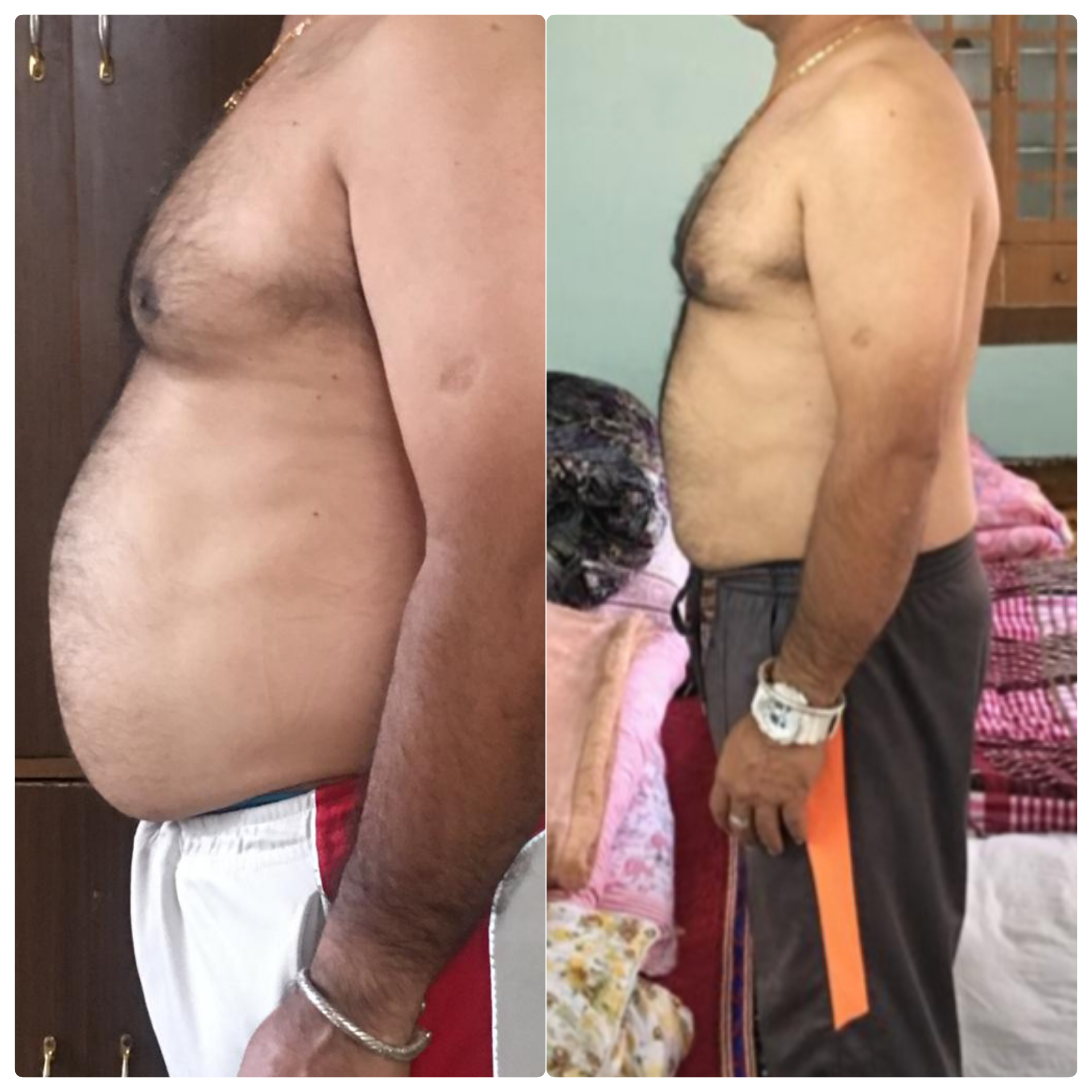
#mitochondria#highsugar#diabetes#overweight
Q: Why are you not losing weight?
Q: Why is it necessary for us to breathe out (huffing and puffing)?
Analogy:
Scenario 1: Imagine you take a walk in the park, typically lasting an hour. However, one day you decide to extend your walk to 1.5 hours. As a result, your muscles feel sore or fatigued, but you don’t find yourself out of breath. Correct?
Scenario 2: The next day, you choose to briskly walk (faster pace) than usual. Say you feel tired in 20 minutes unlike your usual hour-long walk. Although your legs can handle it, you find yourself huffing and puffing and eventually slowing down. Right?
Difference: In the first scenario, you didn’t run out of oxygen; instead, your musculoskeletal system became fatigued. However, in the second scenario, you ran out of oxygen and needed to exhale forcefully. And when you can’t do it, you slow down. #cardiovascularhealth
Question: Which scenario is preferable?
For non-athletes: forceful exhalation is undoubtedly better during training. Why? Because your body becomes adapted to your regular walking speed, making it more efficient. This means your heart rate remains low and your oxygen intake remains consistent. Consequently, when you exert extra effort, your body starts relying more on glucose (fast-burning fuel) than fat. . This principle applies to any form of exercise. It’s no wonder that even active individuals may struggle to lose weight despite spending significant time in parks, gyms, or engaging in various activities.
Note: when you walk faster or do exercises that your body is not used to; you are also working on strengthening your musculature. You can’t solely improve your cardiovascular health without improving strength in your muscles to bear the effort.
To burn fat, we need to utilize more fat as fuel. To achieve this, we must increase oxygen uptake, enabling us to sustain effort for longer periods and continue burning fat instead of switching to glucose.
Note: Consistently pushing yourself to the point of breathlessness can lead to your muscles consuming glucose without the need for insulin. Essentially, by increasing your effort, you starve your muscles of energy, causing them to consume whatever fuel is available—similar to hungry people. They don’t find nutrition in food. They just consume. This can be an effective way to reduce glucose levels without insulin for individuals with diabetes.
For athletes: Both factors are important. However, to enhance endurance, you should be able to utilize oxygen for longer durations. Because if you are burning glucose too quickly then you would run out of fuel faster.
Progression: There is no need to continiously getting engaged in one type of work out. Yes, going out of breath helps but you can’t do it all the time. So mix it in your routine where you are engaging in a hard effort followed by light. Somedays you keep it long, some days you keep it short and add more excercises to fill in the time. You can’t win this war in a day. Therefore progress slowly, built it over time, and you will be surprised that what almost killed you sometime back; your body starts taking that effort at ease. Congratulations. You have improved your health.
Example: If you have stairs and you can climb then make sure you climb up with varying speed on day to day basis. Brings variability and stress which are both good for your health.
Question: How can we determine which fuel our body is burning?
FAT: If you can maintain a conversation with intermittent breaks for breath (slight difficulty but can hold a converdation), you are burning fat.
Glucose: If you struggle to complete a sentence without pausing several times, you are primarily burning glucose.
Note: Researches have shown the crucial role of mitochondrial health in preventing chronic diseases such as diabetes, cancer, and cardiovascular issues.
Adaptation: If we do an excercise regularly then two things can happen – your body gets adapted to the stress and gets efficient in which case you will burn less. Or your musculature gets stressed and fatigued because of consistent stress/strain. The general sense is ‘break the body’ to make it strong. But this doesn’t work with majority of cases. Why? Because breaking is one part of the process. The other part is recovery which is not understood at all. We can’t persistently stress the body without recovery and if we do that then it starts to break in the form of niggles/pain at knee, ankle, lower back, shoulder, etc.
It may come as a surprise to all of you, but know, that recovery from a fatigued musculature also burn calories. We push ourselves assuming ‘rest’ doesn’t burn calories and therefore, regardless of our body state, we always continue to break it. WRONG. You will end up breaking and forced to stop!
Note: If you are fit and healthy, you always have a chance to burn extra fat at any point of time in life. But if you are broken and injured, then this privilege is no longer available with you.
Conclusion:
- Change your workout or vary speed
- Add excercises and try to move your body differently after every few days
- Add little bit of workout in the evening before dinner. It could be stretching with little movement
- If you were to have fruit then have it before your evening workout
- Try to finish your dinner in one sitting and seal your mouth. No munching in the night.
- Think of your body parts as plants in your garden. They all need water and care. So move your limbs
- Stand up and walk after a long sitting before sitting again – yes, no couch or chair after a long drive from/to office.
- Rest if your musculature says so. You don’t gain weight in recovery.
 Umesh Chhikara