

Pictures used below are to display the nuances of fast bowling and how minor improvements can help a fast bowler to bowl fast, become more accurate, and stay injury free.
How often do we see the following:
a) Fast bowler who is running in fast but unable to generate pace
b) Fast bowler has a short run-up but able to generate pace
c) Fast bowler with a beautiful arm action but unable to stand up to expectations
d) A tall bowler Vs short bowler – we find exceptions in both
e) Short run up Vs long run-up – again we find exceptions in both
f) Side arm Vs straight arm – we find pace & accuracy in both
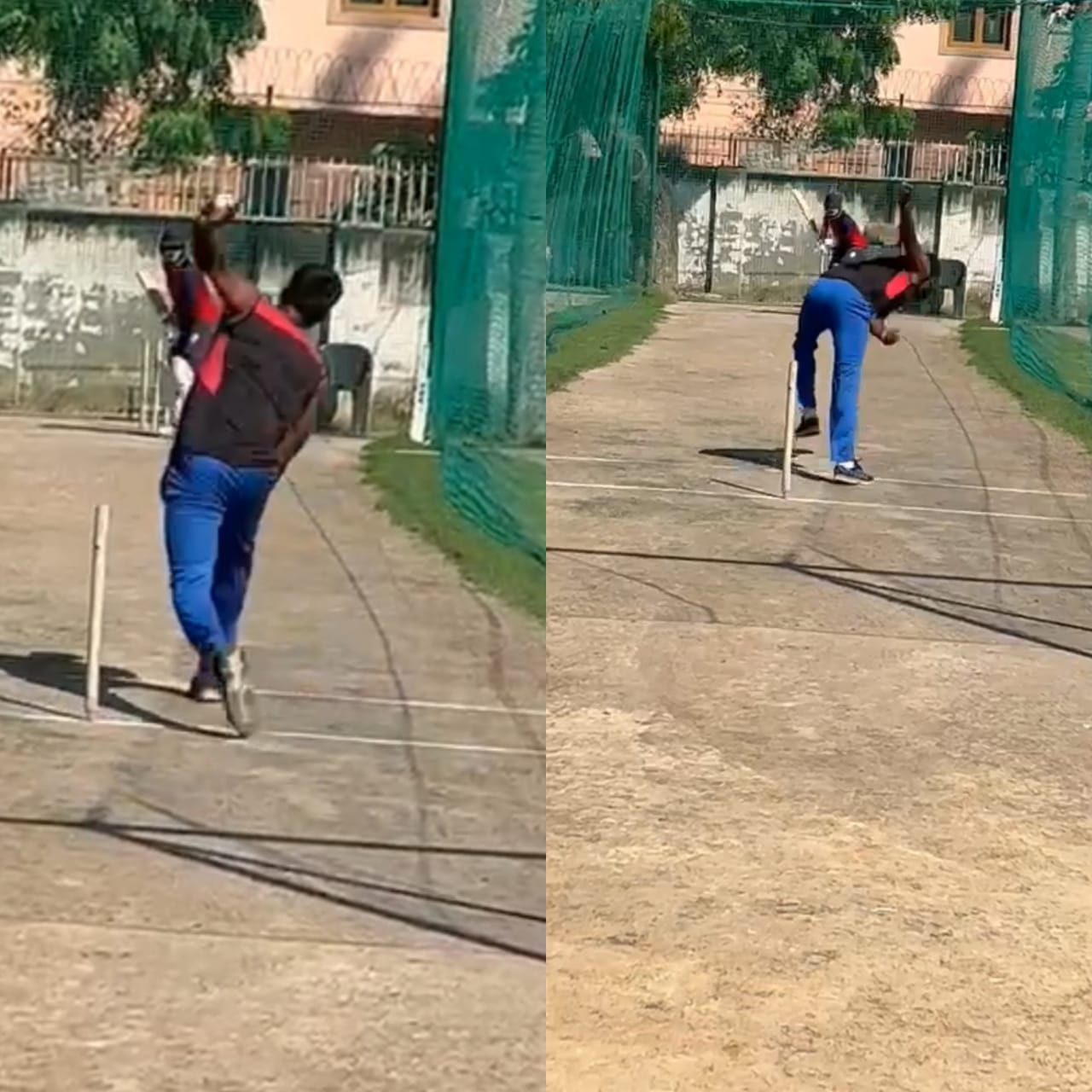
Ques: So what is it that one makes an exceptionally good bowler?
I am not a bowling coach, nor do I aspire to be one. However, that doesn’t prevent me from studying, understanding, and correcting the biomechanics of a fast bowler. This is my area of expertise, and it is indisputable. A bowling coach can enhance the skills of my trainee to a significant extent.
Let’s first comprehend what defines a fast bowler:
We are all born with a specific set of skills. These skills are like neural pathways that we possess and are stronger in us compared to others. For instance, a pianist has innate neural circuitry for playing the piano, and those who excel at it are often naturally inclined. Similarly, a singer with a beautiful voice, a tennis player, or a chess player. This is why we say that fast bowlers are not created, but rather, they are born.
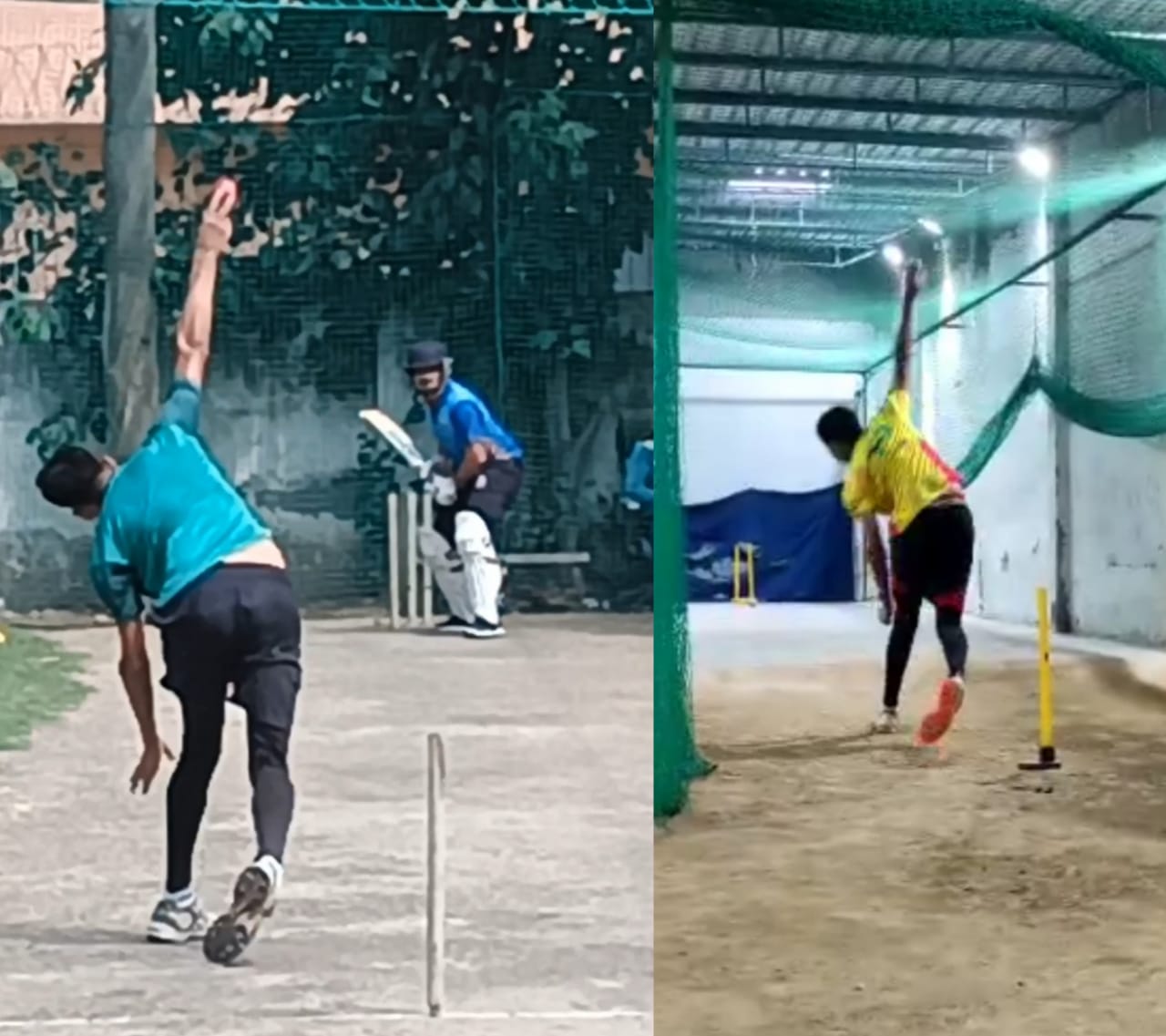
Now, what truly matters is how individuals refine the skill set they are born with. Those who reach the top are always the ones who have worked diligently, even if not intentionally, to improve their skills. On the other hand, there are those who show great potential in their youth but fade away as they grow older. Sometimes luck is blamed (which is reasonable!), but most of the time, it goes beyond that. They are unable to do what is necessary for their bodies to further refine their inherent skill set and become the best.
Science – all the circuitry pathways are covered with what we call myelin sheath – Myelin is an insulating layer, or sheath that forms around nerves, including those in the brain and spinal cord. So when I say ‘honing the skill set’; it essentially means adding more myelin on the circuit.

Now apply simple logic to this – what do we do at our homes to avoid dust entering our beds or tables? We seal the doors and windows. What do we do if we have a cut in the wire somewhere? We tape it. We insulate anything and everything to avoid leakages.
The heavier the insulation, the less chances of a leak – be it then dust, electric current, or water from a tank. Likewise, when we train for the skill set, we are essentially insulating the circuitry pathway so that there is no leakage.
And what happens when there is no leakage?
Ans: Signals are transmitted faster.
Analogously, envision our body as an immense electric power plant, comparable to the largest dam that supplies electricity to an entire nation. Now, imagine thousands of electric wires transmitting current to various destinations. Additionally, visualize voltage stabilizers, multipoint connectors, and other components regulating the flow of electricity.
Likewise, our body can be likened to this system. Multiply the number of wires by a trillion to represent the intricate circuitry pathways within a human. Consider the numerous muscles (over 600), joints, and bones (over 200) acting as voltage stabilizers, not only transmitting signals but also managing the load.
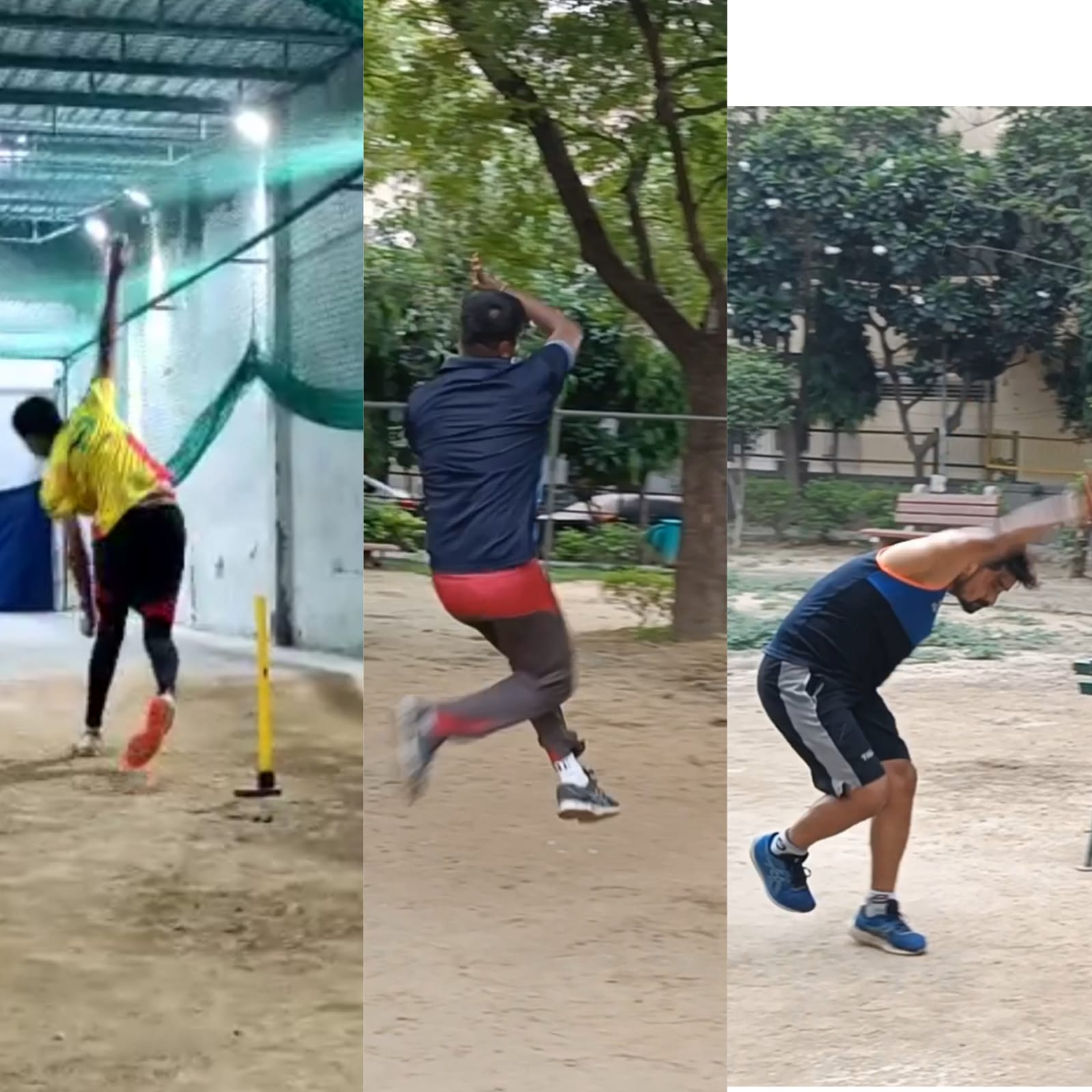
Ques: Why weight training doesn’t work for all sportsmen especially fast bowlers?
While weight training may contribute to the development of myelin in certain circuits, it does not directly enhance the circuitry pathway of a fast bowler. Weight training primarily aids in performing specific movements, such as lifting from a stationary position, which differ significantly from the actions required on the field. Having strong ankle, calf, quad, and glute muscles may be advantageous, but if the subsequent muscle or connection point is unable to receive and transmit signals with the same speed, all these muscles become ineffective. This is because they are part of a different pathway.
To illustrate this point, consider training to race a car on a straight and flat road and then being asked to compete on a circular and muddy track. While you may have practiced your pedaling speed and technique, the skills required for maneuvering on the circular and muddy track are entirely different from those needed on the straight and flat road. Can you win the race against someone who has been practicing specifically on the same track? Fast bowlers, take note.
In essence, the specific demands of a fast bowler’s actions necessitate focused training and development of skills tailored to their unique pathway.
Let’s consider another analogy: Imagine my legs are capable of squatting 100 kilograms, which demonstrates significant strength. However, as a fast bowler, I may only utilize say around 10% of the strength in my glutes and thighs. If bowling were solely reliant on the hips, all bodybuilders would be capable of bowling at speeds exceeding 160 kilometers per hour. Now, if I am utilizing only a fraction of the strength in a particular body part, why would I need to increase my squat weight from 60 kilograms to 120 kilograms? Is it not more beneficial to optimize my existing strength and focus on making the movement more fluid, efficient, and fast?
Fast bowling – When it comes to fast bowling, the circuitry pathway involves generating ground force from the big toes, aided by the medial arc, calves, hamstrings, glutes, lower back, arm swing, spine (extension followed by flexion), shoulder, pectoral muscles, serratus anterior, and finally the obliques. This pathway encapsulates the overall movement.
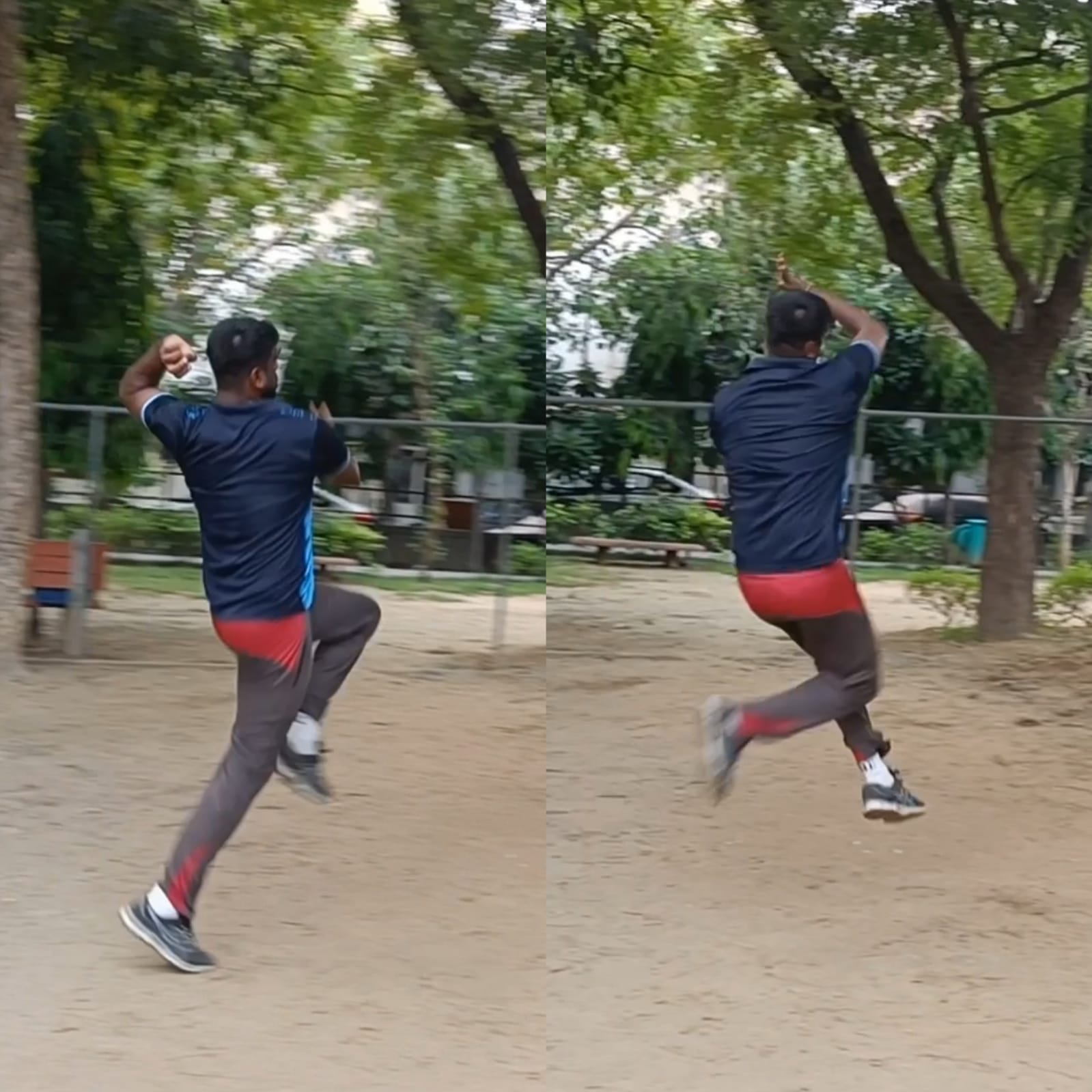
Why do injuries occur? Fast bowlers often inadvertently end up using different muscles to compensate for pushing the force upward instead of utilizing the designated circuitry pathway due to incorrect biomechanics at the foot. For example, relying excessively on the hamstrings can lead to overactivation of these muscles. Similarly, some players may shift the load to their glutes, lower back, or shoulders, resulting in the overactivation of these muscle groups. It is universally recognized that an overactivated muscle requires rest before being used again; otherwise, it remains in an overactivated state and may eventually lead to injury.
Now, let’s consider the consequence of adding additional load to these already overactivated muscle groups through exercises like squats, deadlifts, or shoulder presses. What do you think will happen?
Returning to the concept of the circuitry pathway, it explains why we witness fast bowlers employing different actions, run-ups, arm movements, knee and foot angles, and yet we find exceptional bowlers among them all. This highlights the fact that there cannot be a single “best” way to bowl as a fast bowler.
The key lies in comprehending the aforementioned information and how it all functions within our bodies.
Other related articles to explain science behind why our current training methods are injury prone:
 Umesh Chhikara