
While I am not a medical professional, I have gained a basic understanding of the heart, its functions, and overall heart health. Here are my views on the subject:
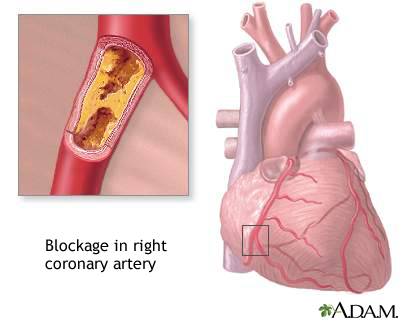
The main cause of heart attacks is coronary artery disease (CAD), and is often characterized by a blockage in the coronary arteries that supply blood to the heart muscle. However, a less common cause can be a severe spasm or sudden contraction of a coronary artery, leading to a cessation of blood flow to the heart muscle.
While discussing fitness and heart health, it’s important to recognize that fitness encompasses more than just physical activities like running, cycling, or weightlifting. While these activities are beneficial for cardiovascular health, they do not provide a complete picture of one’s overall heart health. Factors such as metabolism and insulin resistance play a significant role and may contribute to heart attacks in physically fit individuals.
Artery blockages can be influenced by what we eat. Excessive cholesterol circulation, specifically lipoprotein Lp(a) and apoB, high triglycerides (TGs), and high blood sugar levels, can all contribute to the formation of blockages in the arteries. These conditions can exist even when one is actively exercising, which can be paradoxical.
Note: Neither ApoB not Lp(a) are part of our existing blood panel (cholesterol panel). So you have to ask for these for extra pennies. Although in time these will become the part of our standard blood reports that we receive from labs. For now we have to ask for these specifically.
In simple terms, a heart attack occurs when the coronary artery is blocked, interrupting the supply of nutrients to the heart. Living with a blocked artery is possible, but there is always a risk that the demand for blood supply may surpass the available supply, especially during periods of increased physical exertion.
While genetics can play a role in heart health, research suggests that it accounts for about 30% of the risk, while the remaining 70% is influenced by lifestyle factors. I personally believe that the influence of lifestyle choices on heart health may be even higher, around 90%. Although we may be born with certain genetic dispositions, we also possess genes that provide protection against unfavorable conditions. Maintaining a balance of these genetic factors can be achieved through nutrition and exercise tailored to our individual needs, leading to good sleep, a robust immune system, and overall well-being.
It’s worth mentioning that blaming genes entirely for health issues may not be entirely fair. Our choices and habits throughout life also play a significant role.
For those concerned about their risk of a heart attack due to factors like excess weight or genetics, I recommend considering a Coronary Artery Calcium (CAC) test, which can be a useful marker. However, it’s important to note that this is just one measure, and ultimately, the control lies with adopting a healthy lifestyle that includes proper nutrition and physical activity.
In conclusion, regardless of how much we exercise, it’s possible to have blocked arteries if our diet fails to control factors such as high cholesterol or liver health, among others. Incorporating cardiovascular conditioning exercises into our training regimens is important, as it challenges our breathing capacity and improves mitochondrial health and fat oxidation. These factors have been linked to conditions like diabetes and cancer in recent research. Yogic breathing practices can also be beneficial for cardiovascular health, in addition to physical training.
Please note that this information is based on my understanding as a health enthusiast, and it’s always advisable to consult medical professionals for personalized advice and accurate information regarding heart health and related conditions.
Note: Cardiovascular conditioning exercises do not necessarily mean running on the treadmill or doing kms of run. For an inactive person it could be a brisk walk, or walking the stairs, or just moving. It could even getting up from the chair a few times. Therefore optimal excercising is highly individualistic.
Mantra: Focus on stressing the system more than your body is used to. So this could be walking faster for a few meters or like I said, moving a few times. Stress can be literally defined as something that makes you uncomfortable. In this case it could be something that makes you feel out of breath for a few seconds. Progression is the key meaning how do you gradually build the stress. So do it slowly, take your time, and increase the stress as and when your body stops stressing from your existing exercise routine.
Key: Do not let your body adapt! Shock it by engaging in exercises that you are not used to.
 Umesh Chhikara